
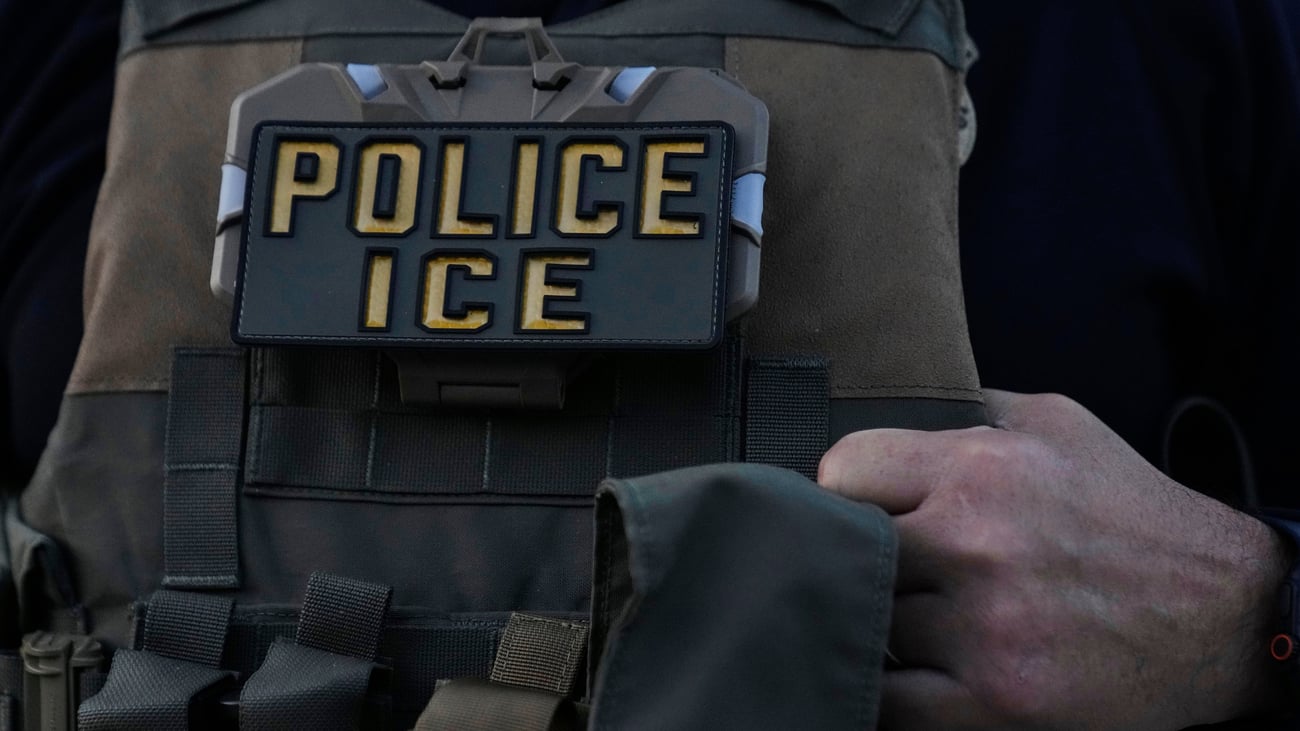
New York Judge Blocks State's Mask Ban for ICE Agents
Summary
- A federal judge has temporarily blocked New York's mask ban for ICE agents, ruling it violates the supremacy clause of the US Constitution.
- The decision is a win for the federal government's position, established under the Trump administration, and highlights ongoing tension between federal and state authority in areas such as immigration enforcement.
- New York law banning local law enforcement from cooperating with ICE through 287(g) agreements remains in effect.
New York Judge Blocks State's Mask Ban for ICE Agents
A federal judge has temporarily blocked the enforcement of New York's mask ban for federal immigration agents, ruling that it violates the supremacy clause of the US Constitution. The decision comes as a win for the federal government, which had argued under the Trump administration that its immigration enforcement tactics require anonymity to prevent agents from being doxxed. The state had argued that not all ICE agents wear masks, but the judge found this argument to be irrelevant, stating that individual choices do not justify direct state regulation of federal law enforcement operations and policy.
Relevant Legal Context
The ruling is significant in its application of the intergovernmental immunity doctrine, which prohibits states from regulating federal law enforcement activities. The judge found that New York's mask ban takes direct aim at regulating federal agents in their function of enforcing federal law, and therefore likely runs afoul of this doctrine. This decision may have implications for the ability of state and local authorities to regulate federal law enforcement activities in their jurisdictions. Additionally, the ruling highlights the ongoing tension between federal and state authority in areas such as immigration enforcement.
Why It Matters
The temporary block on New York's mask ban for ICE agents is a significant development in the ongoing debate over immigration enforcement and federal-state relations. The decision may impact the ability of state and local authorities to regulate federal law enforcement activities, and highlights the importance of understanding the complex legal landscape surrounding these issues. Lawyers advising clients on compliance with federal immigration laws should note that while the mask ban has been temporarily blocked, a New York law banning local law enforcement from cooperating with ICE through 287(g) agreements remains in effect.
Practical Implications
Lawyers advising clients on compliance with federal immigration laws should note that a New York state law banning local law enforcement from cooperating with ICE through 287(g) agreements has been upheld, while the state's mask ban for ICE agents has been temporarily blocked. This ruling may impact the ability of state and local authorities to regulate federal law enforcement activities in their jurisdictions.
Source
How does this affect your business?
Get an AI analysis of this article grounded in your jurisdictions, practice areas, and any policy documents you've uploaded to Wansom.
Wansom is AI and can make mistakes.