
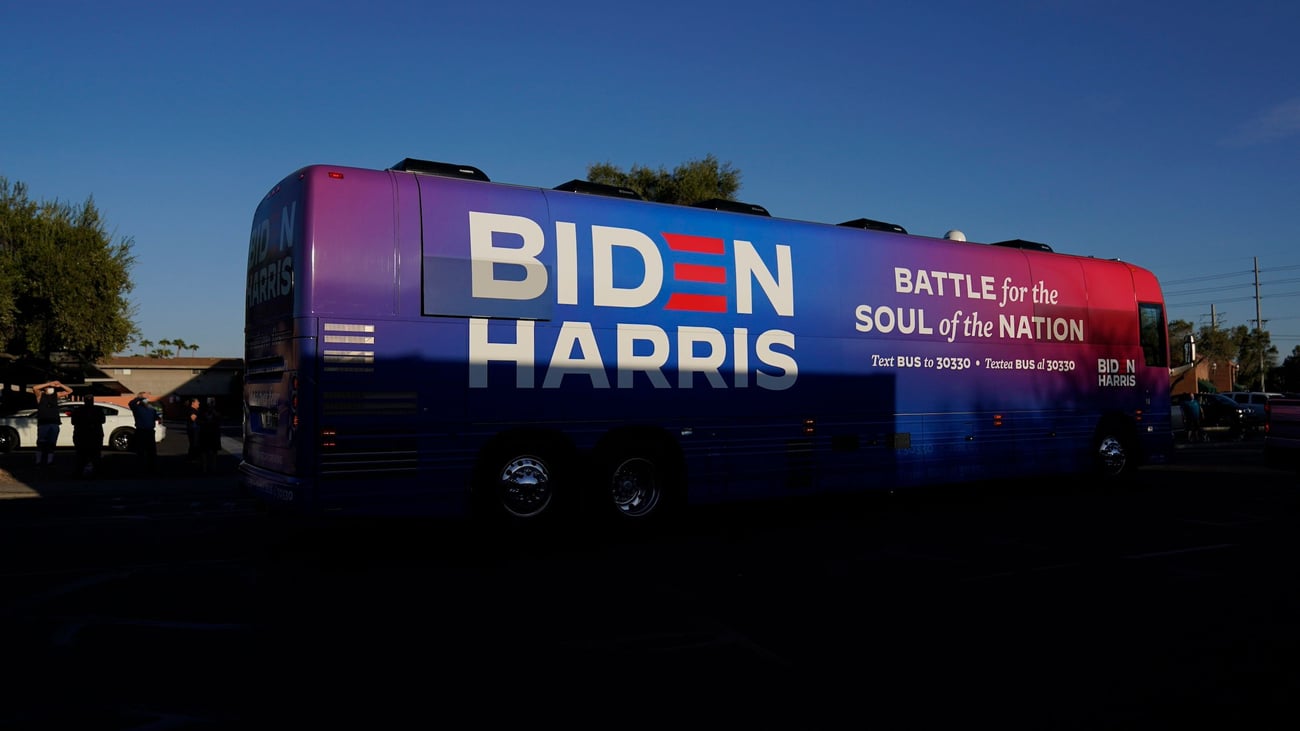
‘Trump Train’ organizer challenges $40,000 verdict over harassment of Biden campaign bus
Summary
- Eliazar Cisneros is appealing a $40,000 verdict for organizing a "Trump Train" that harassed a Biden campaign bus in 2020.
- The appeal centers on the interpretation of the Ku Klux Klan Act (42 U.S.C. § 1985(3)), a Reconstruction-era civil rights law.
- Cisneros' attorney argues the law requires state action and class-based animus, neither of which were present.
- Plaintiffs' counsel contends the "support or advocacy" clause does not require animus and that the "Trump Train" created a dangerous situation.
- The Fifth Circuit's ruling will clarify the scope of private civil rights claims for political intimidation under the act.
Fifth Circuit Weighs Trump Train Appeal
The Fifth Circuit's interpretation of this Reconstruction-era civil rights law will clarify the scope of private civil rights claims for political intimidation, particularly whether state action or class-based animus is required.
A federal appeals court is currently considering whether to overturn a $40,000 verdict against Eliazar Cisneros, a Trump supporter found liable for organizing a "Trump Train" that surrounded and harassed a Joe Biden campaign bus. The incident occurred in October 2020, just days before the presidential election, as the bus traveled from San Antonio to Austin, Texas. Cisneros is challenging the verdict, which was issued under a Reconstruction-era civil rights law known as the Ku Klux Klan Act.
The lawsuit was brought by a Biden campaign staffer, former Texas State Senator Wendy Davis, and the bus driver, all of whom were on board during the incident. They sued Cisneros and other members of the "Trump Train" under a specific provision of the Ku Klux Klan Act, 42 U.S.C. § 1985(3), which establishes a cause of action for conspiracies aimed at harming individuals based on their "support or advocacy" for a federal political candidate. While a federal jury cleared other defendants, Cisneros alone was found responsible for his role in the events.
Appellant Argues for State Action and Class Animus
Representing Cisneros, attorney Quico Canseco argued before the Fifth Circuit panel that the civil rights statute requires two key elements that were absent in this case: evidence of state action violating the First Amendment and proof of racial or class-based animus. Canseco contended that the plaintiffs' allegations merely described opposition to the Biden-Harris campaign and an intent to disrupt its activities, rather than the specific animus or state involvement mandated by the law.
Canseco warned the court about the potential ramifications of upholding the verdict, suggesting that accepting the plaintiffs' interpretation would transform the Ku Klux Klan Act into a broad federal remedy for any political confrontation where one side claims disruption. He illustrated this concern by positing a scenario where a physical altercation over a political hat could lead to a KKK Act lawsuit, arguing such an expansion would "completely chill our electoral process" during an already contentious political climate.
Plaintiffs Counter on Scope of Civil Rights Law
Attorney Erica Ross, representing the plaintiffs, pushed back against Canseco's assertions, particularly the claim that the "support or advocacy" clause of the Ku Klux Klan Act necessitates animus against a specific class of people. Ross downplayed the relevance of *Griffin v. Breckenridge*, a Supreme Court case cited by Cisneros's attorney, explaining that it addressed a different section of the act concerning conspiracies to deprive individuals of "equal protection of the laws, or of equal privileges and immunities under the laws."
Ross also challenged the characterization of the "Trump Train's" actions as mere "partisan campaign tactics." She emphasized that the jury had reviewed videos and photos of the incident, which provided "more than sufficient evidence" to demonstrate that the situation was "quite dangerous." This included instances of "brake-checking" and the bus being surrounded, ultimately leading to an accident that Cisneros later "bragged about on social media."
Clarifying Political Intimidation Claims
U.S. Circuit Judge Andrew Oldham, a Donald Trump appointee, pressed Ross on a critical legal point: whether the specific provision of the Ku Klux Klan Act at issue creates its own "substantive right" or merely serves as a cause of action for violations of the First Amendment. This distinction is crucial because First Amendment claims typically require state action, whereas a substantive right could apply to purely private conspiracies, such as the alleged political intimidation in this Biden campaign bus harassment lawsuit.
Judge Oldham posed a hypothetical scenario, asking Ross if an individual would have a claim under the Ku Klux Klan Act against people who drove onto their property and destroyed their political signs. Ross responded affirmatively, stating, "I think you might well have a cause of action there, your honor." The Fifth Circuit's interpretation of this Reconstruction-era civil rights law will clarify the scope of private civil rights claims for political intimidation, particularly whether state action or class-based animus is required.
Practical Implications
The Fifth Circuit's interpretation of the Ku Klux Klan Act (42 U.S.C. § 1985) in this case will clarify the scope of private civil rights claims for political intimidation, specifically whether state action or class-based animus is required. Lawyers should monitor the ruling for precedent impacting future litigation involving harassment of political candidates or advocates, as it could broaden or narrow potential causes of action.
Source
How does this affect your business?
Get an AI analysis of this article grounded in your jurisdictions, practice areas, and any policy documents you've uploaded to Wansom.
Wansom is AI and can make mistakes.