
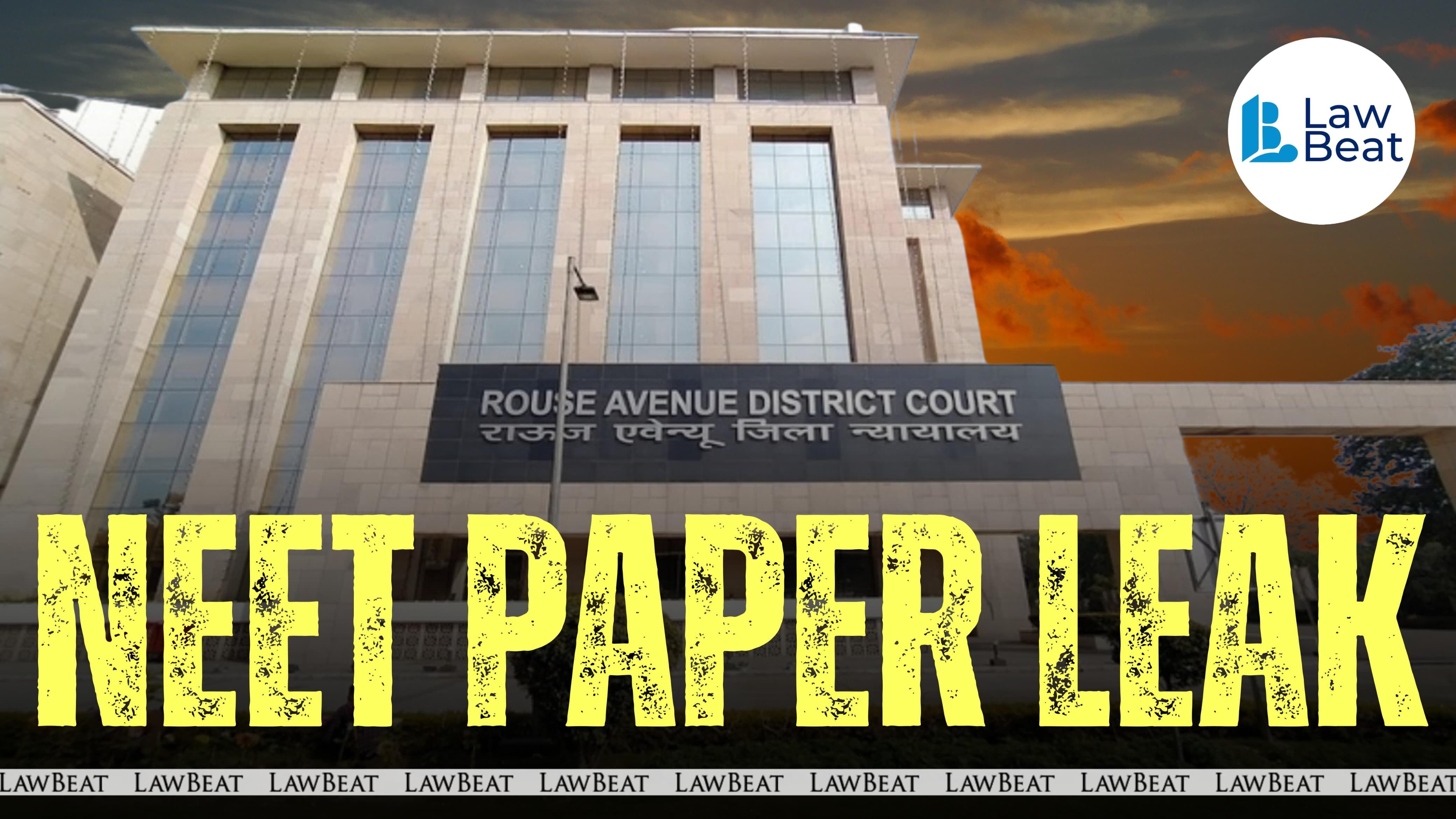
Delhi's Rouse Avenue Court: NTA Subject Experts Charged in NEET Paper Leak Scam
Summary
- The Central Bureau of Investigation (CBI) has alleged a multi-state criminal conspiracy involving National Testing Agency (NTA) subject experts and intermediaries in the NEET-UG 2026 paper leak.
- Three NTA subject experts are accused of directly accessing and leaking confidential examination material, which was then circulated among selected candidates for substantial sums of money.
- The CBI has booked 13 arrested accused under provisions relating to criminal conspiracy, cheating, criminal breach of trust, destruction of evidence, and other offences.
- The case has highlighted the vulnerability of high-stakes examinations to organised fraud and raised questions about whether existing safeguards are sufficient to protect the integrity of national entrance examinations.
What Happened
The CBI alleges that three NTA subject experts directly accessed and leaked confidential examination material for the NEET-UG 2026 paper, which was then circulated among selected candidates through a network of intermediaries in exchange for substantial sums of money.
A multi-state criminal conspiracy involving alleged National Testing Agency (NTA) subject experts and intermediaries has been described by the Central Bureau of Investigation (CBI) in a chargesheet filed in Delhi's Rouse Avenue Court. The CBI alleges that three NTA subject experts directly accessed and leaked confidential examination material for the NEET-UG 2026 paper, which was then circulated among selected candidates through a network of intermediaries in exchange for substantial sums of money.
The investigation has revealed a carefully coordinated chain of activities, with examination material being accessed before the test, transferred to trusted intermediaries, and ultimately provided to candidates who had allegedly paid large sums of money. The accused have been booked under provisions relating to criminal conspiracy, cheating, criminal breach of trust, destruction of evidence, and other offences.
The alleged involvement of NTA-associated subject experts has intensified questions over how confidential examination material could have been accessed despite the security measures put in place for the conduct of NEET-UG.
Relevant Legal/Regulatory Context
The CBI's findings are likely to add to the scrutiny of the NTA's internal safeguards, including the processes governing the preparation, handling, printing, transportation, and custody of question papers. The allegations have also renewed concerns among students and parents over the integrity of national-level competitive examinations, particularly given the scale of NEET and the intense competition for medical seats.
The case has highlighted the vulnerability of high-stakes examinations to organised fraud and raised questions about whether existing safeguards are sufficient to protect the integrity of national entrance examinations. With the CBI alleging a multi-state network involved in the paper leak, the investigation remains ongoing, with further forensic examination and investigation into the alleged network expected to determine the role of other individuals, if any.
Some of the accused have also sought permission for scientific investigative techniques, including polygraph and brain-mapping tests, with courts examining such requests in accordance with law.
Why It Matters
The alleged NEET-UG 2026 paper leak has brought renewed scrutiny on the security architecture surrounding national-level competitive examinations. The case has highlighted the need for robust internal safeguards to protect the integrity of exams, including reviewing processes governing question paper preparation, handling, and custody.
Lawyers advising students or institutions on national-level competitive examinations should be aware of the potential for organised fraud and assess whether existing safeguards are sufficient to protect the integrity of exams. The CBI's investigation is ongoing, but the allegations contained in the chargesheet remain subject to adjudication, and the accused are presumed innocent unless found guilty by a competent court.
Practical Implications
Lawyers advising students or institutions on national-level competitive examinations should be aware of the potential for organised fraud and assess whether existing safeguards are sufficient to protect the integrity of exams, with a focus on reviewing internal processes governing question paper preparation, handling, and custody.
Source
How does this affect you?
Get an AI analysis of this article grounded in your jurisdictions, practice areas, and any policy documents you've uploaded to Wansom.
Wansom is AI and can make mistakes.