
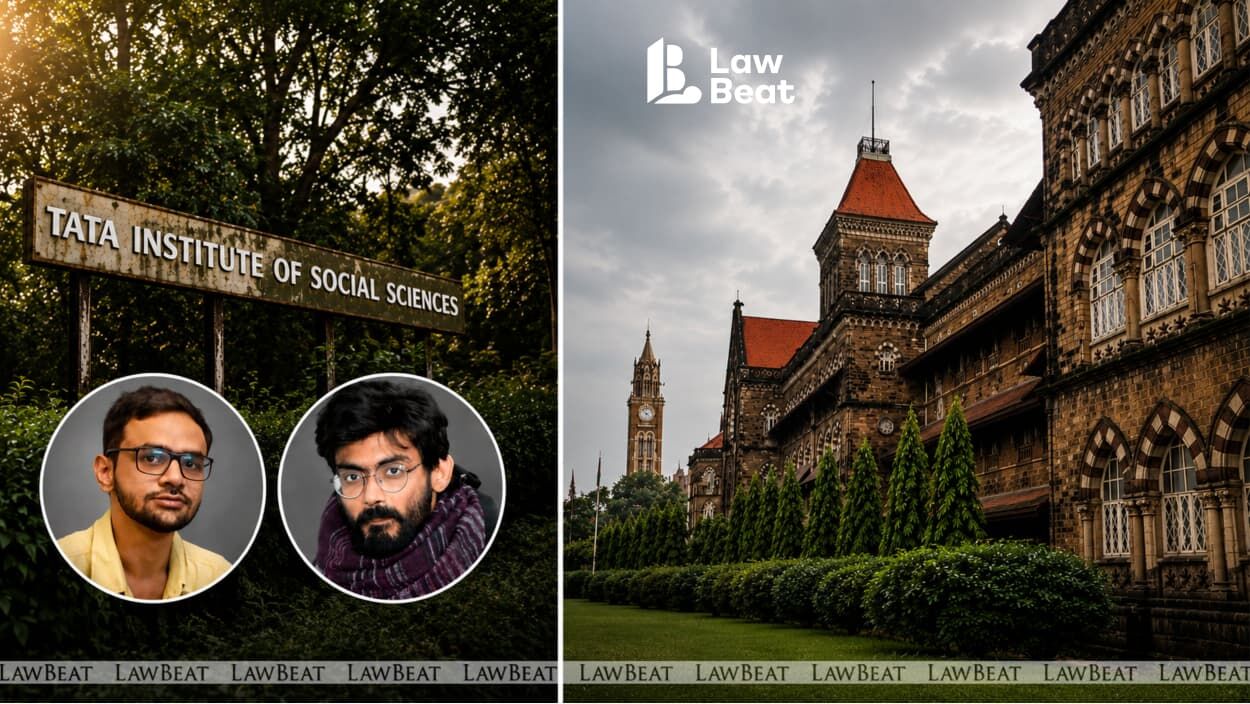
Mumbai Court Denies Anticipatory Bail to TISS Accused Over Maoist Links
Summary
- A Mumbai court denied anticipatory bail to two TISS accused individuals over alleged Maoist literature and slogans seeking release of Umar Khalid (who remains in custody) and Sharjeel Imam (who secured interim bail in March 2026).
- The court found custodial interrogation necessary for the accused, citing the need for further investigation into their alleged involvement in extremist activities.
- Lawyers representing the accused should be aware of the potential implications of custodial interrogation on their clients' cases.
What Happened
The court's reasoning for denying anticipatory bail was based on the need for custodial interrogation to gather more information about the case.
A Mumbai court has denied anticipatory bail to two accused individuals, Kamakhya Prasad Das and Abhirup Paul, who are associated with the Tata Institute of Social Sciences (TISS). The decision was made in view of alleged Maoist literature recovered from their devices. Additionally, the court considered the slogans seeking release of Umar Khalid (who remains in custody) and Sharjeel Imam (who secured interim bail in March 2026), which were allegedly found on their devices.
The court's reasoning for denying anticipatory bail was based on the need for custodial interrogation to gather more information about the case. This decision is significant as it highlights the importance of thorough investigation in such cases.
Legal Context
Anticipatory bail is a legal provision that allows individuals to be released from custody before they are formally arrested and charged with a crime. The court's decision to deny anticipatory bail to Das and Paul suggests that the prosecution has sufficient evidence to warrant further investigation. In India, the grant or denial of anticipatory bail often depends on the severity of the alleged offense and the likelihood of the accused fleeing justice.
The case against Das and Paul is being investigated by the Maharashtra Police, who have been scrutinizing their involvement in alleged Maoist activities. The recovery of Maoist literature from their devices has raised concerns about their potential links to extremist groups.
Why It Matters
The denial of anticipatory bail to Das and Paul is a crucial development in the ongoing investigation into alleged Maoist activities in Mumbai. As lawyers representing the two accused individuals, it is essential to be aware of the potential implications of custodial interrogation on their clients' cases. The court's decision highlights the importance of thorough investigation and the need for law enforcement agencies to gather more information about the case before making any further decisions.
The case also raises questions about the balance between individual rights and national security concerns. As the investigation unfolds, it will be crucial to monitor the developments and ensure that the rights of all individuals involved are protected.
Practical Implications
Lawyers representing the two TISS accused should be aware of the potential implications of custodial interrogation on their clients' cases, and may need to advise them accordingly.
Source
Source: Original reporting via The Hindu
How does this affect you?
Get an AI analysis of this article grounded in your jurisdictions, practice areas, and any policy documents you've uploaded to Wansom.
Wansom is AI and can make mistakes.