
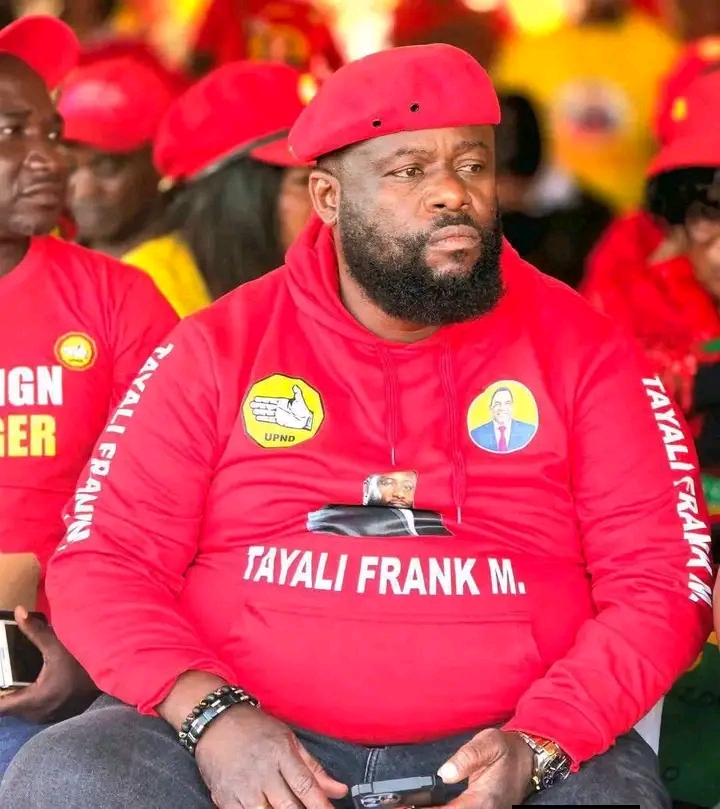
Ndola High Court: Frank Tayali Loses Election Petition Against Emmanuel Mulenga
On November 25, 2026, the Ndola High Court in Zambia dismissed an election petition filed by Frank Museba Tayali, thereby confirming Emmanuel Mulenga as the duly elected Member of Parliament for Ndola Central. The court's decision, which found that the statutory threshold for overturning the election results had not been met, upheld Mulenga's victory following a challenge by the former Ndola Central MP.
This ruling carries significant legal weight for practitioners and the public, as it reinforces the high evidentiary bar required to successfully challenge electoral outcomes in Zambia. It signals the judiciary's commitment to upholding the integrity of the electoral process while ensuring that petitions are not based on unsubstantiated claims. For businesses and investors, the stability of electoral results, once judicially affirmed, contributes to a predictable political and regulatory environment.
The legal context for this matter is primarily the Electoral Process Act of Zambia, which governs the conduct of elections and the resolution of disputes arising therefrom. The High Court, as a court of first instance for parliamentary election petitions, plays a crucial role in interpreting and applying these statutory provisions. The concept of a 'statutory threshold' refers to the specific legal requirements and burden of proof that a petitioner must satisfy to demonstrate that electoral irregularities were significant enough to materially affect the election's outcome.
The key parties involved in this case were the Ndola High Court, the petitioner Frank Museba Tayali, and the respondent Emmanuel Mulenga. While the specific judge is not named, the court's pronouncement underscores the judicial branch's independent oversight of the legislative process. The outcome of such petitions often sets precedents for future electoral challenges.
Practitioners advising political parties, candidates, or electoral bodies should take note of this decision, which highlights the critical importance of meticulous evidence gathering and a thorough understanding of the Electoral Process Act's requirements. Attorneys must ensure that any election petition they file or defend is supported by compelling evidence that directly addresses the statutory thresholds for nullification, rather than relying on general allegations of malpractice. Monitoring subsequent appeals, if any, will provide further insight into the appellate courts' interpretation of these standards.
How does this affect you?
Get an AI analysis of this article grounded in your jurisdictions, practice areas, and any policy documents you've uploaded to Wansom.
Finish Reading the Full Story and the Expert Analysis.
Get the latest legal & regulatory intelligence in Zambia
Wansom is AI and can make mistakes.