
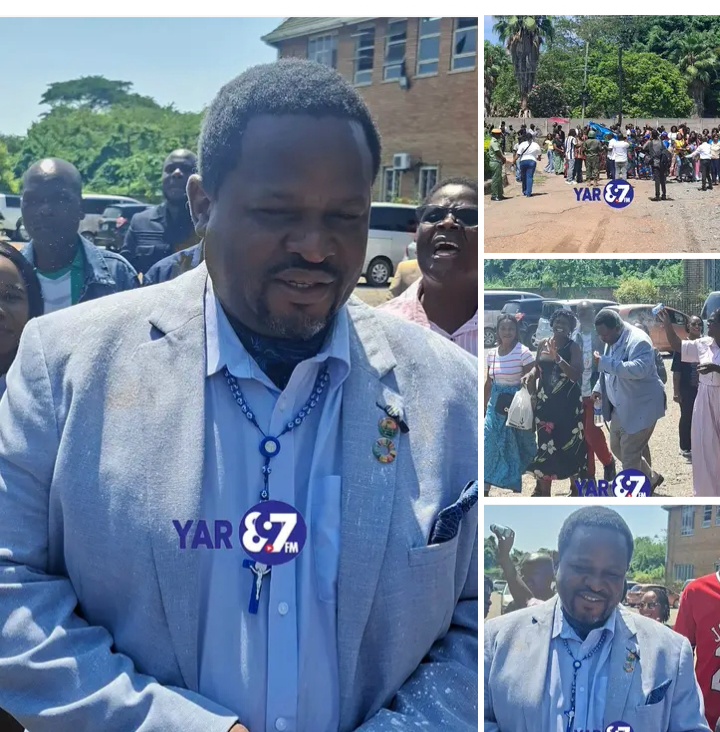
Kabwe High Court: Chiteme Retains Nkana Seat After Petition Dismissal
The Kabwe High Court, sitting in Kitwe, Zambia, dismissed an election petition challenging Alexander Chiteme's election as Member of Parliament for Nkana Constituency, thereby confirming his retention of the seat. The ruling was delivered by Kabwe High Court Judge in Charge Mathew Zulu, rejecting the challenge brought by Francis, the losing candidate from the United Party for National Development.
This judicial outcome is significant for legal practitioners and the broader political landscape in Zambia, as it further illustrates the judiciary's role in validating electoral results and the stringent requirements for overturning them. It reinforces the principle that electoral outcomes, once declared, are presumed valid unless a petitioner can present compelling evidence of irregularities that materially affected the result. This contributes to electoral stability and public confidence in the judicial resolution of disputes.
The legal framework governing this petition is Zambia's Electoral Process Act, which outlines the grounds and procedures for challenging parliamentary election results. The High Court's jurisdiction in hearing such petitions is a cornerstone of the country's electoral dispute resolution mechanism. The fact that a Judge in Charge from Kabwe presided over a case in Kitwe demonstrates the administrative flexibility within the Zambian judiciary to ensure timely adjudication of electoral matters.
Key parties in this matter included the Kabwe High Court, specifically Judge in Charge Mathew Zulu, the respondent Alexander Chiteme, and the petitioner Francis, who was the losing candidate for the United Party for National Development. The specific grounds for the petition's dismissal are not detailed in the provided excerpt, but typically relate to a failure to meet the statutory burden of proof or to demonstrate that alleged irregularities affected the election's outcome.
Attorneys advising political clients on electoral matters should draw a key takeaway from this and similar decisions: the Zambian courts consistently demand robust and specific evidence to nullify election results. It is imperative for legal teams to conduct thorough investigations, gather irrefutable proof of electoral non-compliance, and clearly articulate how such non-compliance materially impacted the election's integrity, rather than relying on broad claims. This case underscores the high bar for success in election petitions.
How does this affect you?
Get an AI analysis of this article grounded in your jurisdictions, practice areas, and any policy documents you've uploaded to Wansom.
Finish Reading the Full Story and the Expert Analysis.
Get the latest legal & regulatory intelligence in Zambia
Wansom is AI and can make mistakes.