
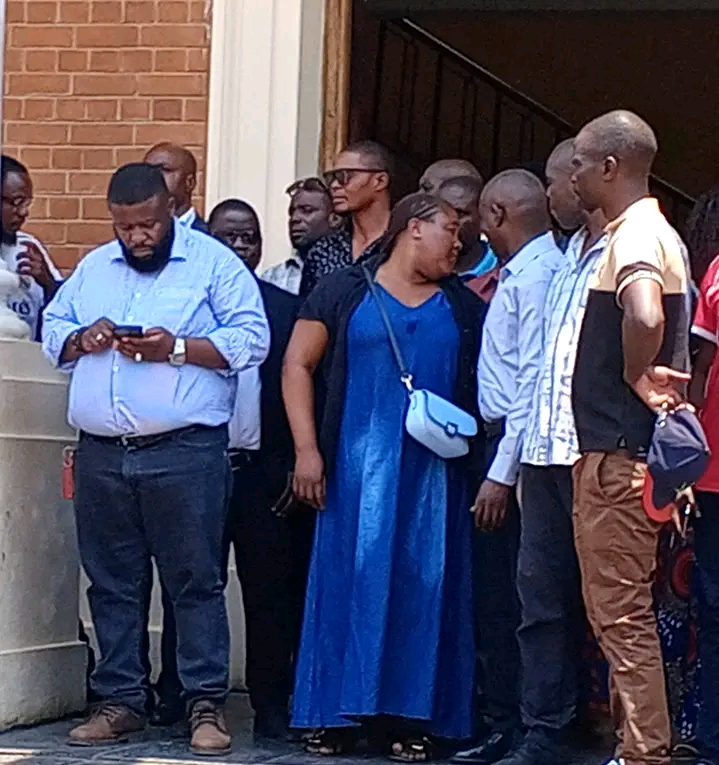
Ndola High Court: Ndola Central Parliamentary Seat Judgment Date Set
Summary
- On Sunday, October 11, 2026, the Ndola High Court set deadlines for submissions in the contested Ndola Central parliamentary seat petition, with the inquiry still ongoing.
- During a marathon session, the court visited "flashpoint schools" under heavy guard as part of its investigation.
- The court has tentatively scheduled the judgment for November 27, 2026, with potential for earlier delivery based on submission timelines.
- The Sunday session and direct site visit are considered unprecedented procedural actions in Zambian electoral disputes.
- The forthcoming judgment is expected to set significant Zambia electoral law precedent for future election petitions.
Inquiry Concludes for Ndola Central Seat
Legal professionals involved in electoral disputes or constitutional law in Zambia should closely monitor the forthcoming judgment in this case.
On Sunday, October 11, 2026, the Ndola High Court set deadlines for the filing of submissions in the disputed Ndola Central parliamentary seat petition, indicating that the inquiry was still in progress. This decisive session extended late into the night, marking a critical phase in the resolution of the Zambia parliamentary election dispute. The court's proceedings on this date were characterized by their intensity and duration, signifying a critical phase in the resolution of the Zambia parliamentary election dispute.
During this marathon session, the court undertook a direct site visit to several locations identified as "flashpoint schools." These visits were conducted under significant security, with the judicial delegation moving under heavy guard. Following the on-site investigations, the Ndola High Court tentatively scheduled the judgment for November 27, 2026, with a possibility of an earlier delivery in the third week of November if submissions are filed promptly.
Legal Context of Electoral Petitions in Zambia
Electoral disputes in Zambia, such as the Ndola High Court election petition concerning the Ndola Central constituency, are critical components of the nation's democratic process. The High Court plays a fundamental role in adjudicating these petitions, ensuring that electoral outcomes are legitimate and adhere to established legal frameworks. These cases often involve detailed scrutiny of voting procedures, allegations of irregularities, and the overall conduct of elections.
The court's engagement in a direct site visit, particularly to sensitive locations like the flashpoint schools, underscores the judiciary's commitment to a meticulous and evidence-based resolution. Such actions are designed to gather firsthand information and verify claims, which is paramount in upholding the integrity of Zambia's electoral law and the public's confidence in the judicial system. The Ndola Central constituency inquiry exemplifies the rigorous process involved in challenging parliamentary election results.
Significance for Future Electoral Law
The High Court's decision to conduct a crucial session on a Sunday, October 11, 2026, and to undertake a site visit under heavy guard, represents an unusual procedural step in Zambian electoral jurisprudence. This expedited and hands-on approach by the court in the Ndola Central parliamentary seat case could establish important procedural precedents for how future election petitions are handled. Legal professionals involved in electoral disputes or constitutional law in Zambia should closely monitor the forthcoming judgment in this case.
The court's proactive measures, including the direct inspection of contested sites, highlight a potential shift towards more intensive judicial inquiry in electoral matters. The ultimate Ndola Central parliamentary seat judgment, tentatively scheduled for November 27, 2026, will be keenly observed for its implications on Zambia electoral law precedent, potentially influencing the scope and methodology of future election dispute resolutions across the country.
Practical Implications
Legal professionals involved in electoral disputes or constitutional law in Zambia should closely monitor the forthcoming judgment in the Ndola Central parliamentary seat case, as the court's expedited inquiry and site visit could establish procedural precedents for future election petitions.
Source
How does this affect you?
Get an AI analysis of this article grounded in your jurisdictions, practice areas, and any policy documents you've uploaded to Wansom.
Finish Reading the Full Story and the Expert Analysis.
Get the latest legal & regulatory intelligence in Zambia
Wansom is AI and can make mistakes.