
NDLEA Nigeria: Reports 1.3M Opioid, 6000kg Cannabis Seizures
Summary
- Nigeria's National Drug Law Enforcement Agency (NDLEA) intercepted over 1.3 million opioid pills and capsules.
- Approximately 6,000 kilograms of cannabis were also seized during these operations.
- The interdictions occurred across eight states and the Federal Capital Territory.
- Two teenagers were arrested in connection with the operations, found with AK-47s, a pistol, and ammunition.
- A specific cannabis seizure of 603.75 kilograms was part of the overall reported total.
Major Drug Interdictions Uncovered
This heightened level of activity by the NDLEA, coupled with the arrests of armed individuals, indicates an increased enforcement risk for anyone involved in or facilitating drug-related activities.
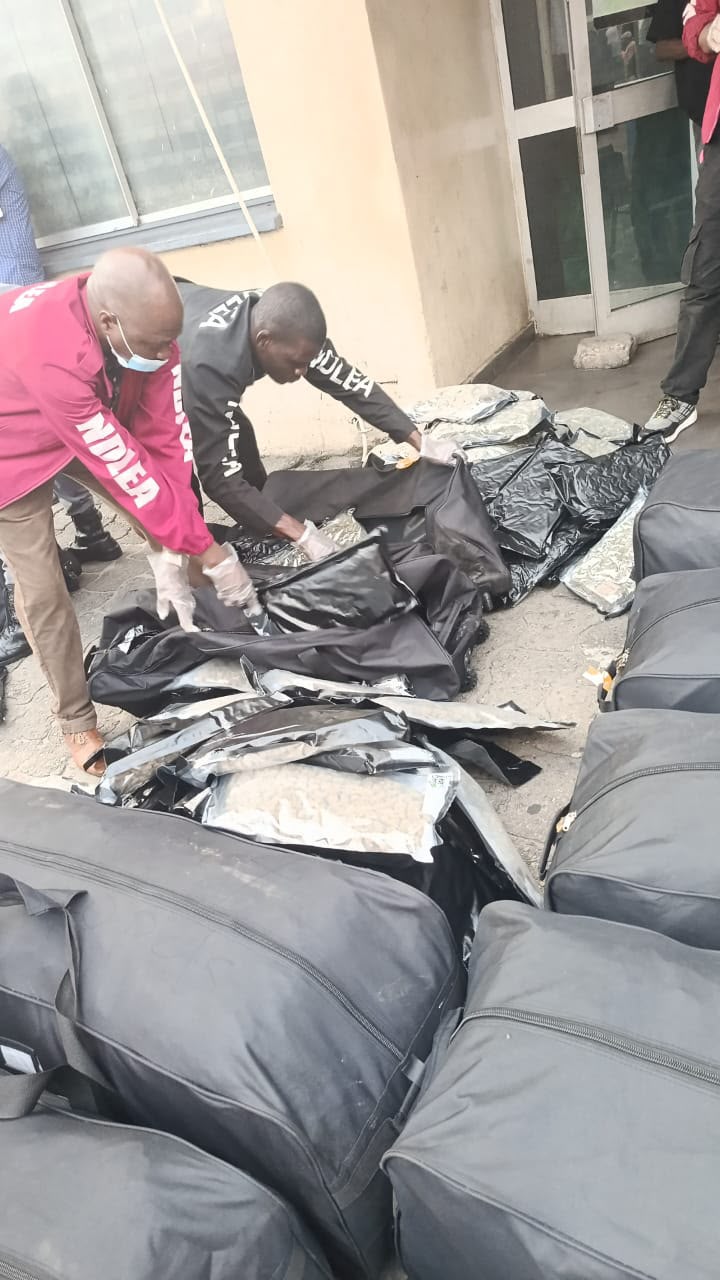
Nigerian authorities have reported significant successes in their ongoing battle against illicit substances, with the National Drug Law Enforcement Agency (NDLEA) announcing the seizure of substantial quantities of opioids and cannabis. Across a series of coordinated operations spanning eight states and the Federal Capital Territory, the agency successfully intercepted over 1.3 million pills and capsules of tramadol and other opioid-based drugs. These extensive enforcement actions also resulted in the confiscation of approximately 6,000 kilograms of cannabis, underscoring the scale of drug trafficking enforcement challenges faced by the nation.
Further compounding the severity of these incidents, two teenagers were apprehended in connection with these operations, found to be in possession of dangerous firearms, including AK-47 assault rifles, a pistol, and various ammunition.
Operational Scope and Arrest Details
The comprehensive interdiction efforts by the NDLEA highlight a robust approach to disrupting drug supply chains across Nigeria. Among the significant hauls was a specific seizure amounting to 603.75 kilograms of cannabis, contributing to the overall reported total. These operations, characterized by their wide geographical reach, demonstrate the agency's commitment to tackling drug-related offenses from multiple fronts.
The apprehension of the two young individuals, armed with sophisticated weaponry, points to the increasingly violent nature associated with drug trafficking activities within the country. The presence of AK-47s, a pistol, and ammunition alongside drug seizures underscores a dangerous nexus between illicit drug trade and armed criminality, posing a serious threat to public safety and national security.
Implications for Drug Control and Enforcement
These recent NDLEA 1.3m opioid 6000kg cannabis seizures Nigeria represent a critical development in the nation's drug control efforts. The sheer volume of illicit substances intercepted, particularly the more than 1.3 million opioid pills and the approximately 6,000 kilograms of cannabis, signals a significant escalation in the National Drug Law Enforcement Agency operations. This heightened level of activity by the NDLEA, coupled with the arrests of armed individuals, indicates an increased enforcement risk for anyone involved in or facilitating drug-related activities.
The agency's proactive stance across eight states and the FCT suggests a nationwide crackdown, impacting various supply routes and distribution networks. For individuals and businesses, this environment necessitates a review of compliance with drug control regulations Nigeria. The aggressive prosecution of drug offenses is likely to intensify, making it imperative for legal professionals to advise clients on the heightened scrutiny and potential for more severe penalties associated with drug trafficking enforcement. The successful tramadol opioid cannabis interdiction operations underscore the government's resolve to combat the drug menace, sending a clear message about the consequences of engaging in such illicit trade.
Practical Implications
This signals a significant escalation in NDLEA's drug interdiction efforts across multiple Nigerian states, indicating increased enforcement risk for individuals and businesses involved in drug-related activities or those whose supply chains could be exploited. Lawyers should advise clients on heightened compliance scrutiny and potential for more aggressive prosecution of drug offenses.
Source
How does this affect you?
Get an AI analysis of this article grounded in your jurisdictions, practice areas, and any policy documents you've uploaded to Wansom.
Finish Reading the Full Story and the Expert Analysis.
Get the latest legal & regulatory intelligence in Nigeria
Wansom is AI and can make mistakes.