
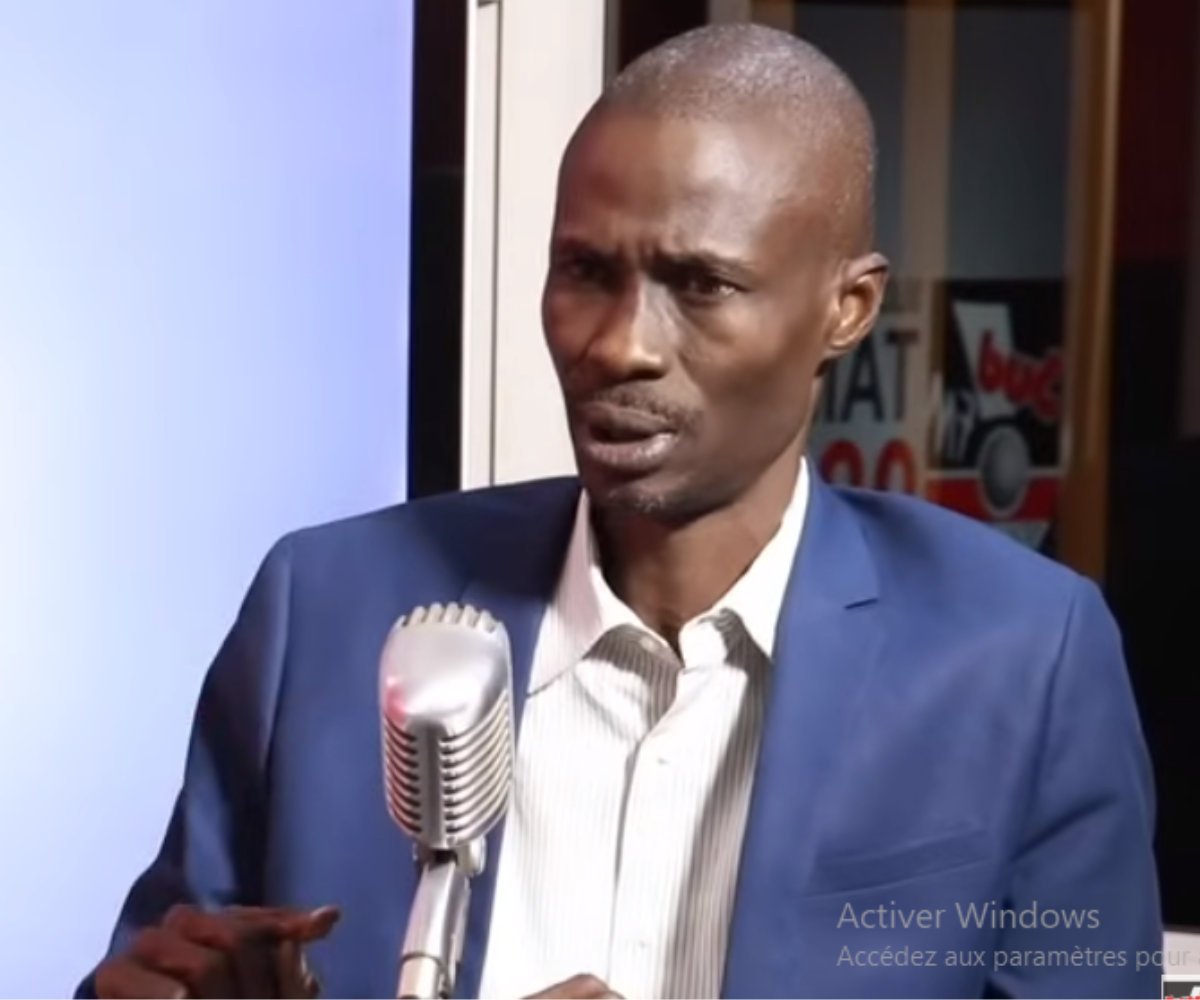
Ndiaga Sylla: Senegal Electoral Code Interpretation Violates Constitution
Summary
- Electoral expert Ndiaga Sylla has voiced strong indignation over what he considers an erroneous interpretation of Senegal's Electoral Code.
- Sylla criticizes the electoral judge and the National Autonomous Electoral Commission (CENA) for imposing this flawed interpretation.
- He argues that the current interpretation disregards both the Senegalese Constitution and international and regional norms guaranteeing suffrage rights.
- The expert believes this situation is regrettable and undermines fundamental democratic principles.
- His critique highlights a significant dispute with potential implications for future electoral challenges and outcomes in Senegal.
Expert Voices Concern Over Electoral Code Interpretation
His strong criticism centers on the belief that current readings of the code disregard fundamental constitutional principles and established international and regional standards designed to safeguard suffrage rights.
Ndiaga Sylla, a prominent electoral expert, has expressed profound indignation regarding what he perceives as a flawed interpretation of Senegal's Electoral Code. His strong criticism centers on the belief that current readings of the code disregard fundamental constitutional principles and established international and regional standards designed to safeguard suffrage rights. This contentious approach to the Ndiaga Sylla electoral code interpretation in Senegal has drawn sharp rebuke from the expert.
Legal and Constitutional Disregard Alleged
The core of Ndiaga Sylla's critique lies in his assertion that the prevailing interpretation of the Electoral Code directly contravenes the nation's Constitution. He maintains that the current application of electoral rules fails to uphold the supreme law of the land, thereby undermining the very foundation of democratic processes. This alleged disregard for constitutional mandates forms a central pillar of his argument against the CENA and the electoral judge.
Beyond national legal frameworks, Sylla also points to a perceived neglect of international and regional norms that are specifically designed to guarantee the right to suffrage. His concerns suggest a potential Ndiaga Sylla suffrage rights violation if the current interpretations are allowed to stand, raising questions about Senegal's adherence to broader democratic principles and its own Senegal constitutional electoral law.
Implications for Senegal's Electoral Landscape
The expert's strong condemnation underscores the potential for significant ramifications within Senegal's political and legal spheres. Ndiaga Sylla's electoral expert opinion suggests that an erroneous interpretation, particularly one that is actively imposed, could lead to widespread dissatisfaction and challenges to future electoral outcomes. The CENA electoral judge criticism in Senegal, coming from such an authority, signals a serious point of contention.
This ongoing dispute over the Electoral Code's meaning could form the basis for future legal challenges, potentially influencing the legitimacy and fairness of upcoming elections. Lawyers advising political entities or involved in electoral litigation in Senegal should closely monitor these evolving interpretations, as they could shape arguments rooted in constitutional and international law regarding electoral disputes.
Practical Implications
Lawyers advising political entities or involved in electoral litigation in Senegal should closely monitor the evolving interpretations of the Electoral Code by the CENA and electoral judges, as these contentious readings could form the basis for future legal challenges or influence electoral outcomes. This highlights potential areas of constitutional and international law arguments in electoral disputes.
Source
How does this affect you?
Get an AI analysis of this article grounded in your jurisdictions, practice areas, and any policy documents you've uploaded to Wansom.
Finish Reading the Full Story and the Expert Analysis.
Wansom is AI and can make mistakes.