
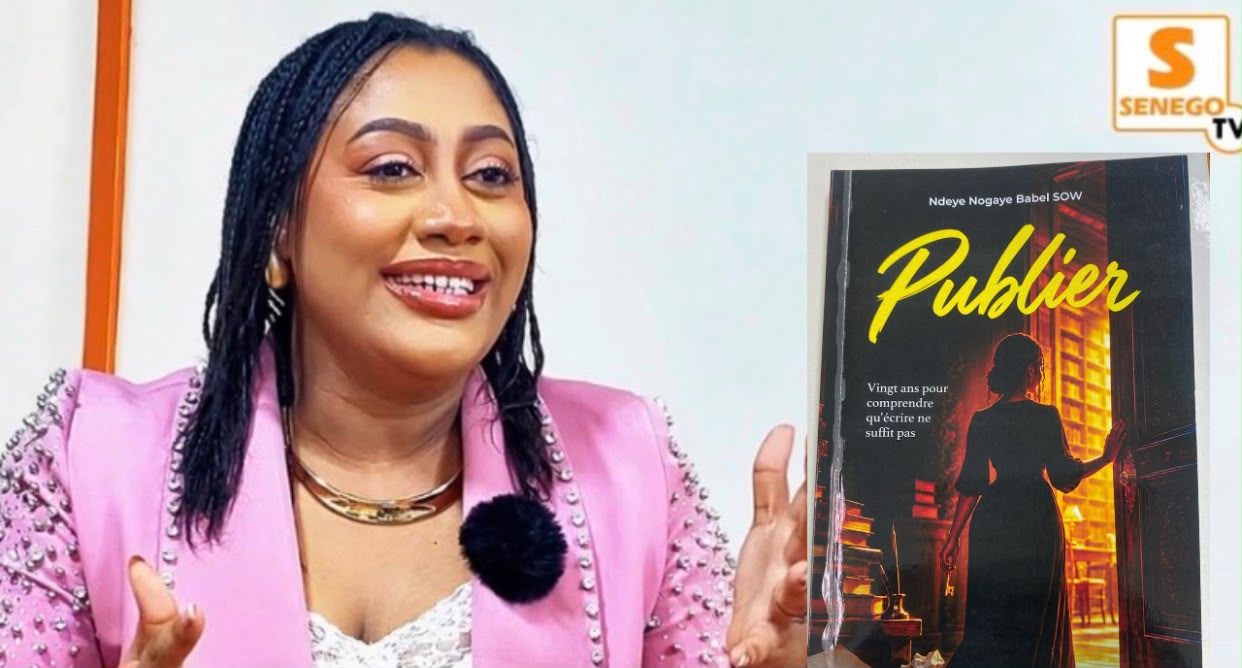
Ndeye Nogaye Babel Sow Raises Alarm on AI's Impact on Literary Creation
Ndeye Nogaye Babel Sow, also known as Mme Niass, in Senegal, has offered her perspective on the role of artificial intelligence (AI) in literary creation, viewing it primarily as a valuable tool that should not be demonized. Her commentary emerges within a broader context marked by the increasing integration of AI into the publishing and creative industries, prompting discussions about its impact on traditional artistic processes.
While the excerpt does not detail specific legal developments, the discussion surrounding AI and creative works carries profound legal implications, particularly in the realm of intellectual property law. The use of AI in generating literary content raises complex questions about authorship, copyright ownership, originality, and potential infringement. For legal practitioners, this signals an emerging and rapidly evolving area of law that will require careful navigation as AI tools become more sophisticated and widely adopted across creative sectors, necessitating a re-evaluation of existing legal frameworks.
The primary legal context for this discussion in Senegal would be the country's intellectual property framework, which is largely based on international conventions such as the Berne Convention and national legislation governing copyright (droit d'auteur) and related rights. Key legal questions arise regarding whether AI-generated content can be protected by copyright, who would be considered the author (the AI, the programmer, or the user), and how to address potential issues of plagiarism or unauthorized use of existing copyrighted works by AI training models. Senegal, as a signatory to international IP treaties, will likely need to consider evolving international norms and domestic interpretations to address these novel challenges.
Key parties involved in this discourse include Ndeye Nogaye Babel Sow (Mme Niass) as a commentator, the broader literary and publishing industry in Senegal, and potentially future regulatory bodies or courts that may be tasked with adjudicating AI-related intellectual property disputes. The development of AI technology itself, and the companies and individuals creating and utilizing it, are also central to this evolving legal landscape.
Legal professionals, particularly those specializing in intellectual property, media, and technology law, should closely monitor the evolving discourse and any potential legislative or judicial developments concerning AI and creative works in Senegal and internationally. They should advise clients in the publishing, media, and technology sectors on best practices for ethically and legally using AI tools while mitigating risks related to copyright, authorship, and originality. Given the current absence of specific legal guidance, proactive risk assessment, robust contractual clarity, and a deep understanding of emerging technological capabilities are paramount for practitioners.
How does this affect you?
Get an AI analysis of this article grounded in your jurisdictions, practice areas, and any policy documents you've uploaded to Wansom.
Wansom is AI and can make mistakes.