
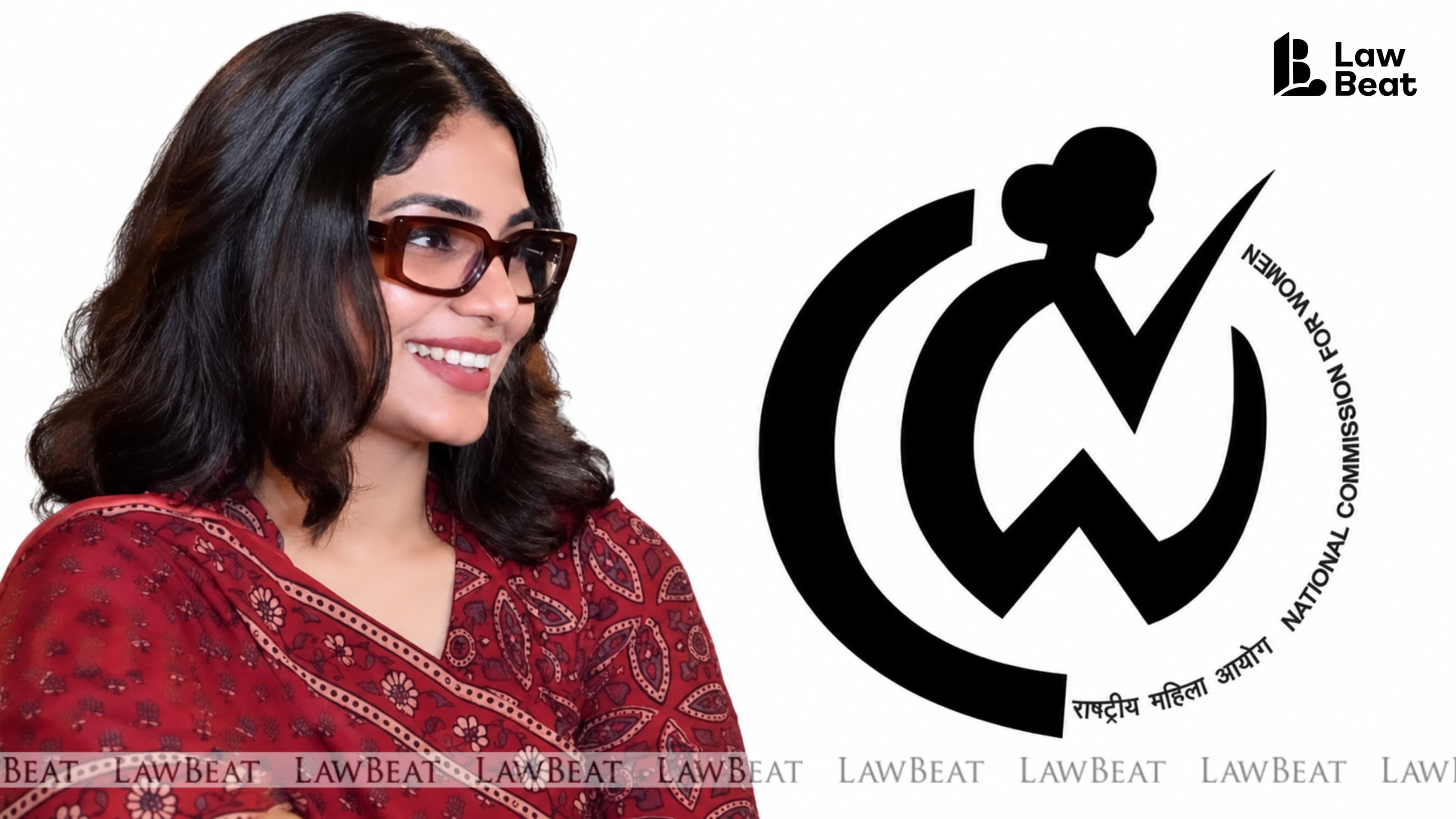
NCW Suo Motu: Neha Singh Rathore IT Rules Enforcement Sought
Summary
- The National Commission for Women (NCW) took `suo motu` cognizance of a news report falsely linking folk singer Neha Singh Rathore to an alleged sex racket.
- The NCW requested an Action Taken Report within 15 days from the Information and Broadcasting Ministry, directing various media regulatory bodies to act under the IT Rules, 2021.
- The Commission's action was initiated without a formal complaint from Ms. Rathore, leveraging its powers under the NCW Act, 1990, to address deprivation of women's rights.
- Enforcement of the `IT Rules, 2021` faces challenges, as the Bombay High Court previously stayed key provisions requiring digital publishers to adhere to the Code of Ethics.
- This incident highlights the NCW's proactive role in upholding women's dignity in digital media and signals the potential for multi-agency scrutiny for digital publishers.
Regulatory Action Against Defamatory Digital Content
This proactive intervention by the NCW underscores its commitment to safeguarding women's dignity in the digital sphere, even in the absence of a formal complaint from the aggrieved party.
The National Commission for Women (NCW) has proactively intervened in a case involving defamatory content published online, taking `suo motu` cognizance of a news report that falsely linked folk singer Neha Singh Rathore to an alleged sex racket. Acting on its own initiative, without awaiting a formal complaint from the singer, the NCW has requested an Action Taken Report (ATR) within 15 days from the Union Ministry of Information and Broadcasting.
The Commission's directive specifically calls upon the I&B Ministry to instruct various media regulatory and self-regulatory bodies to implement "immediate and time-bound action" under the Information Technology (Intermediary Guidelines and Digital Media Ethics Code) Rules, 2021. This move by the `NCW suo motu Neha Singh Rathore IT Rules` highlights a significant instance of a statutory body addressing digital defamation concerning women's dignity. The news network in question reportedly issued an apology after public criticism, acknowledging the factual inaccuracy of its report, but Ms. Rathore rejected this apology and indicated her intention to pursue legal action.
Legal Framework and NCW's Broad Powers
The NCW's authority to act in this manner stems from Section 10(1)(f) of the National Commission for Women Act, 1990, which empowers it to investigate complaints and take `suo motu cognizance women's rights India` in matters concerning the deprivation of women's rights. While the Commission can demand reports from relevant authorities, it does not possess the power to impose penalties on media entities directly. The Chairperson, Vijaya Rahatkar, specifically directed the I&B Ministry to engage a range of bodies, including the statutory Press Council of India, the administrative Electronic Media Monitoring Centre (EMMC), and industry self-regulatory organizations like the News Broadcasters and Digital Association (NBDA) and the Digital Publishers Content Grievance Council (DPCGC).
This incident falls under the purview of Part III of the IT Rules, 2021, as the problematic content was disseminated on the news network's digital platform. These rules establish a Code of Ethics for publishers of news and current affairs content on digital media and outline a three-tier grievance redressal mechanism. This mechanism includes self-regulation by the publisher, oversight by a self-regulating body of publishers, and a final oversight mechanism at the Central Government level.
Enforcement Challenges and Judicial Precedent
The enforcement of the `Digital Media Ethics Code 2021 enforcement` faces a notable legal challenge that could impact the scope of action taken in this case. In August 2021, the Bombay High Court issued a stay on the operation of Rules 9(1) and 9(3) of the IT Rules, 2021, in the case of `AGIJ Promotion of Nineteenonea Media Pvt Ltd v. Union of India`. These particular rules mandate that digital publishers adhere to the prescribed Code of Ethics.
This judicial intervention introduces a layer of complexity regarding the extent to which the I&B Ministry and the various bodies it has directed can enforce the Code of Ethics against digital news publishers. The ongoing legal status of these specific rules may influence the practical outcomes of the NCW's request for an Action Taken Report, highlighting the dynamic and evolving landscape of digital media regulation in India.
Significance for Digital Media and Women's Dignity
This proactive intervention by the NCW underscores its commitment to safeguarding `women's dignity` in the digital sphere, even in the absence of a formal complaint from the aggrieved party. The fact that Ms. Rathore had tagged the Commission in her social media posts likely contributed to the `National Commission for Women powers` being exercised `suo motu`, signaling a responsive approach to public concerns.
The incident serves as a critical reminder for digital publishers and media houses about the imperative of strict compliance with the `IT Rules, 2021`, despite the judicial challenges to certain provisions. It demonstrates the potential for multi-agency scrutiny and the NCW's broad powers to initiate action when issues of women's rights and dignity are perceived to be violated in digital media, reinforcing the need for robust internal ethical guidelines and adherence to regulatory frameworks.
Practical Implications
This incident highlights the NCW's proactive enforcement of digital media ethics, particularly concerning women's dignity, even without a formal complaint. Lawyers advising digital publishers and media houses must ensure strict compliance with the IT Rules, 2021, and be aware of the NCW's broad suo motu powers and the potential for multi-agency scrutiny, despite ongoing judicial challenges to parts of the rules.
Source
How does this affect you?
Get an AI analysis of this article grounded in your jurisdictions, practice areas, and any policy documents you've uploaded to Wansom.
Finish Reading the Full Story and the Expert Analysis.
Get the latest legal & regulatory intelligence in India
Wansom is AI and can make mistakes.