
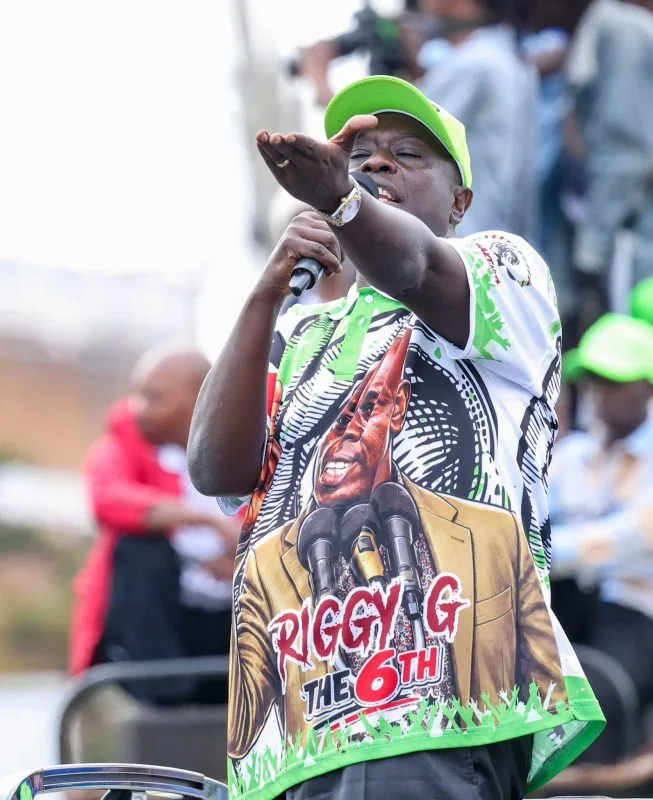
NCIC Summons Rigathi Gachagua Over Hate Speech Allegations
Summary
- NCIC summons former Deputy President Rigathi Gachagua over hate speech allegations.
- Gachagua is required to appear before the commission on August 27 at 2pm.
- The investigation comes amid growing concerns over inflammatory rhetoric and political intolerance in Kenya.
- NCIC has a mandate to promote national cohesion and integration by assessing potentially inflammatory remarks made by public figures.
NCIC Investigates Rigathi Gachagua Over Hate Speech Allegations
The summons specifically require Gachagua to appear in person, with NCIC warning that failure to do so could result in arrest warrants and possible criminal or contempt proceedings.
The National Cohesion and Integration Commission (NCIC) has launched an investigation into former Deputy President Rigathi Gachagua over allegations of hate speech. The commission, led by CEO Daniel Mutegi Giti, issued a summons to Gachagua on August 18, directing him to appear before the commission on August 27 at 2pm. According to the summons, NCIC is investigating 'various utterances' allegedly made by Gachagua at different public forums across the country. The investigation comes amid growing concerns over inflammatory rhetoric and political intolerance in Kenya, particularly ahead of the 2027 General Election.
Relevant Legal and Regulatory Context
NCIC has a mandate to promote national cohesion and integration by assessing potentially inflammatory remarks made by public figures. The commission considers the context, intent, and likely impact of such statements, particularly where they may heighten ethnic tensions or undermine peaceful coexistence. In this case, NCIC's intervention is significant, given Gachagua's high profile as a vocal critic of President William Ruto's administration. As one of the most prominent politicians in Kenya, Gachagua's public statements have attracted heightened scrutiny from government institutions and political opponents.
Why It Matters
The NCIC investigation into Rigathi Gachagua highlights the risks associated with inflammatory rhetoric in Kenyan politics. Lawyers advising clients on public statements should be aware of the risk of NCIC investigations and potential contempt proceedings for inflammatory remarks, particularly ahead of the 2027 General Election. The commission's action also underscores the need for politicians to exercise caution when making public statements that could be perceived as hate speech or incitement to violence. As Kenya approaches a critical period in its electoral cycle, the NCIC investigation serves as a reminder of the importance of promoting national cohesion and integration through responsible political discourse.
Practical Implications
Lawyers advising clients on public statements should be aware of the risk of NCIC investigations and potential contempt proceedings for inflammatory remarks, particularly ahead of the 2027 General Election.
Source
How does this affect you?
Get an AI analysis of this article grounded in your jurisdictions, practice areas, and any policy documents you've uploaded to Wansom.
Wansom is AI and can make mistakes.