
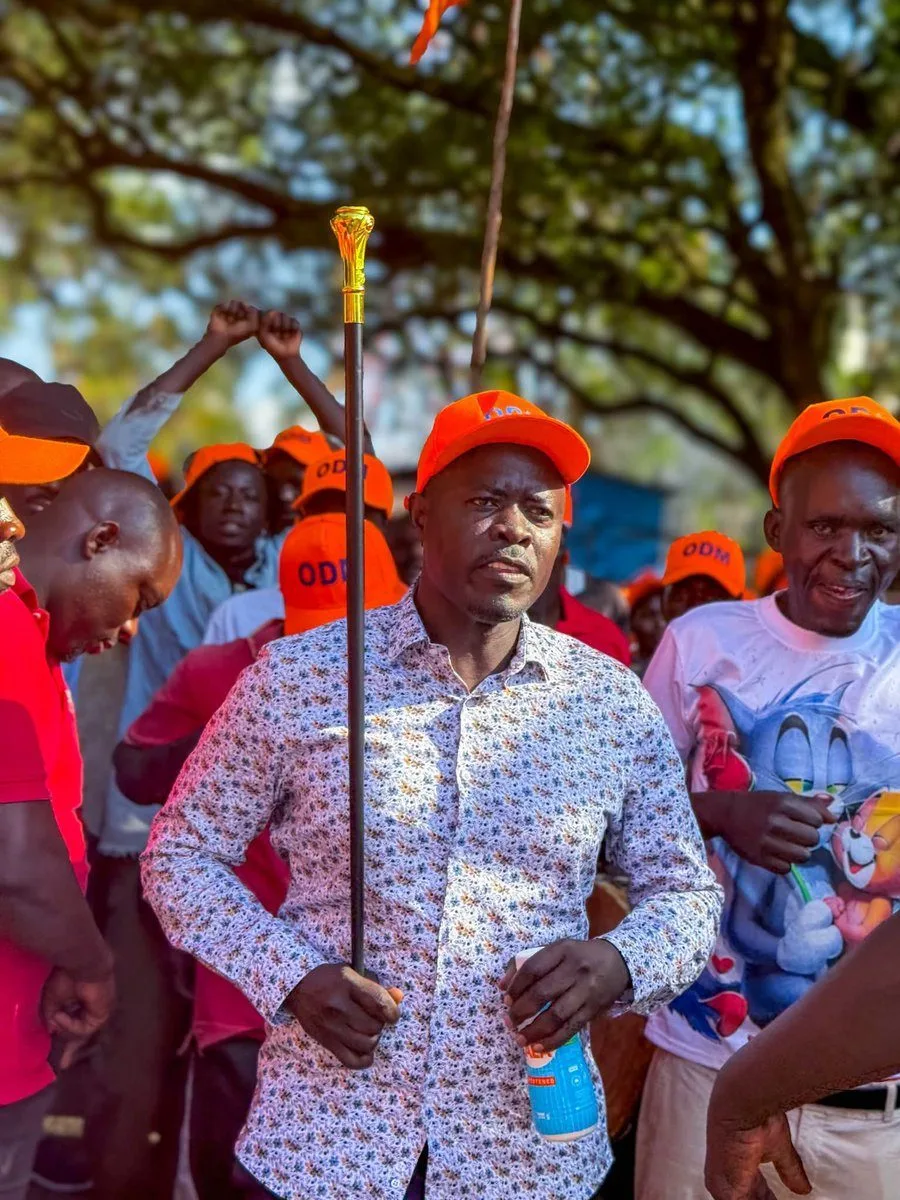
George Kaluma Summons NCIC for Correct Transcript: Kenya Court Update
Summary
- Homa Bay Town MP George Kaluma has challenged a summons issued by the National Cohesion and Integration Commission (NCIC) over disputed transcription and translation of his remarks.
- Kaluma argues that both the transcription and translation of his alleged utterances are inaccurate and requests a corrected version before responding to the summons.
- The NCIC has powers under the National Cohesion and Integration Act to investigate complaints relating to ethnic discrimination and hate speech, as well as to summon individuals in the execution of its mandate.
What's at Stake
Kaluma argues that both the transcription and translation of his alleged utterances are inaccurate and requests a corrected version before responding to the summons.
The dispute between Homa Bay Town MP George Kaluma and the National Cohesion and Integration Commission (NCIC) centers on the accuracy of evidence presented in investigations. The commission has summoned Kaluma over remarks attributed to him, but he disputes the transcription and translation of those remarks. This raises questions about the reliability of transcripts and translations in regulatory proceedings. In a letter dated August 18, Kaluma requested that the NCIC provide a corrected version of his alleged utterances before he responds to the summons. He also asked for his appearance to be rescheduled to a date after August 27.
Legal Context
The National Cohesion and Integration Act empowers the NCIC to investigate complaints relating to ethnic discrimination and hate speech, as well as to summon individuals in the execution of its mandate. The commission has been under pressure to investigate statements deemed capable of undermining national cohesion or inciting hostility. In this case, Kaluma's remarks were reportedly made in Luo and flagged by the NCIC as potentially capable of causing tension. However, Kaluma argues that both the transcription and translation of his alleged utterances are inaccurate. He is willing to appear before the commission but insists on a corrected transcript and translation.
Why It Matters
The accuracy of evidence presented in investigations can have far-reaching implications for individuals and organizations involved. In this case, Kaluma's demand for a corrected transcript and translation places the spotlight on the reliability of transcripts and translations in regulatory proceedings. Lawyers advising clients on political statements should note that challenging the accuracy of evidence is essential to ensure that their clients are not misled or unfairly targeted. The dispute between Kaluma and the NCIC highlights the importance of ensuring that transcripts and translations are reliable before responding to summons or appearing before regulatory bodies.
Practical Implications
Lawyers advising clients on political statements should note that the accuracy of evidence presented in investigations can be challenged, and it's essential to ensure that transcripts and translations are reliable before responding to summons or appearing before regulatory bodies.
Source
Source: Original reporting via [Source]
How does this affect you?
Get an AI analysis of this article grounded in your jurisdictions, practice areas, and any policy documents you've uploaded to Wansom.
Wansom is AI and can make mistakes.