
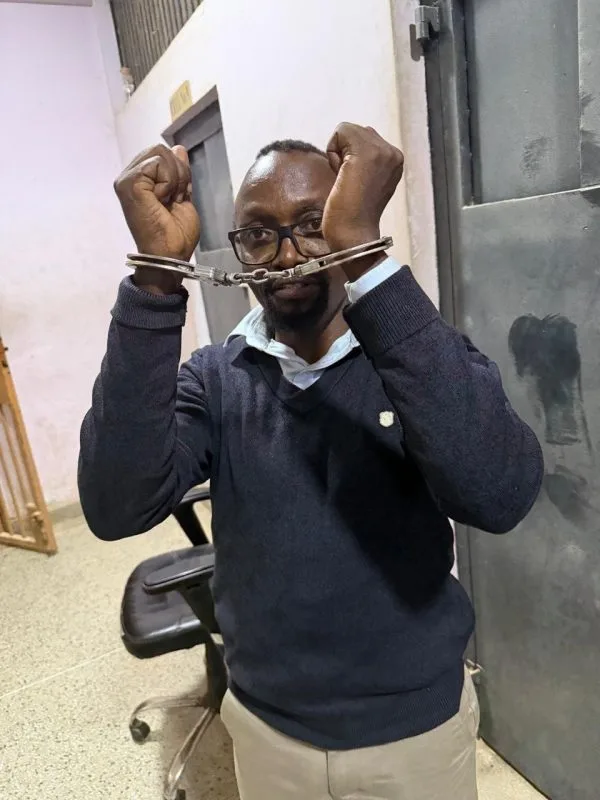
NCIC Investigates Ndegwa Njiru Ruto Over Corruption Claims
Summary
- The National Cohesion and Integration Commission (NCIC) has launched an investigation into Ndegwa Njiru.
- The inquiry stems from statements Njiru allegedly made against President Ruto at a public rally on November 22.
- Njiru reportedly accused President Ruto of corruption, causing the deaths of young Kenyans, and selling Safaricom.
- The rally where these statements were made took place in Wamunyu, located within the Mwala Constituency.
What Happened
The NCIC investigates Ndegwa Njiru Ruto for these specific allegations, underscoring the gravity with which such public pronouncements are now being treated by regulatory bodies.
The National Cohesion and Integration Commission (NCIC) has initiated an investigation into Ndegwa Njiru following public statements he reportedly made concerning President Ruto. This development signals a heightened focus by the commission on the nature of political discourse and allegations made in public forums. The NCIC's inquiry specifically targets remarks attributed to Njiru during a public gathering.
The summons issued to Ndegwa Njiru relate directly to accusations he allegedly leveled against President Ruto. These statements, reportedly delivered at a rally held in Wamunyu, located within the Mwala Constituency, on November 22, contained serious claims. Njiru is said to have accused the President of engaging in corrupt practices, being responsible for the deaths of young Kenyans, and orchestrating the sale of Safaricom. The NCIC investigates Ndegwa Njiru Ruto for these specific allegations, underscoring the gravity with which such public pronouncements are now being treated by regulatory bodies.
Regulatory Scrutiny
The National Cohesion and Integration Commission, commonly known as the NCIC, plays a crucial role in fostering national unity and preventing incitement through public speech. Its mandate includes monitoring and investigating statements that could potentially lead to disunity or are deemed inflammatory or unsubstantiated, especially when directed at public officials. The current Ndegwa Njiru NCIC summons highlights the commission's proactive stance in scrutinizing political speech.
This particular Kenya public statements investigation serves as a reminder to public figures and political commentators about the potential legal ramifications of their utterances. The commission's intervention in this instance suggests a low tolerance for allegations that lack verifiable evidence, particularly when they involve high-ranking government officials. Such actions by the NCIC are designed to ensure that public discourse remains within acceptable legal and ethical boundaries, preventing the spread of misinformation or harmful narratives.
Legal Implications of Public Allegations
Making corruption allegations against high-ranking officials, such as those directed at President Ruto, carries significant legal risks in Kenya. Individuals who make such claims in public forums are expected to provide substantiation, as unsubstantiated accusations can lead to investigations and potential charges. The legal framework in Kenya aims to balance freedom of speech with the need to protect individuals from defamation and to maintain public order.
The investigation into Ndegwa Njiru's statements underscores the potential for political speech legal risks Kenya. While robust political debate is a cornerstone of democracy, allegations of serious crimes like corruption or causing death require a factual basis. Without such evidence, individuals may find themselves subject to legal scrutiny, facing demands to clarify or retract their statements, or even facing prosecution if the allegations are found to be malicious or false. This case exemplifies the careful line public figures must tread when criticizing government actions or officials.
Why It Matters
This action by the National Cohesion and Integration Commission against Ndegwa Njiru is significant for several reasons. It reinforces the NCIC's commitment to actively monitor public discourse and intervene when statements are perceived to cross legal or ethical boundaries. The investigation into Ruto corruption allegations legal implications for Njiru demonstrates that even high-profile political statements are not immune from regulatory oversight.
The outcome of this investigation could set a precedent for how public allegations, especially those made during political rallies, are handled in the future. It signals to all political actors that making serious accusations against public officials, particularly the President, without clear evidence can lead to formal inquiries and potential legal consequences. This case therefore highlights the ongoing efforts to regulate political speech and ensure accountability in public pronouncements within Kenya's political landscape.
Practical Implications
This development signals the National Cohesion and Integration Commission's active monitoring and enforcement regarding public statements, particularly those alleging corruption against high-ranking officials. Lawyers should advise clients on the potential for regulatory scrutiny and legal repercussions when making public allegations, ensuring statements are factually substantiated to mitigate risks of investigation or charges.
Source
How does this affect you?
Get an AI analysis of this article grounded in your jurisdictions, practice areas, and any policy documents you've uploaded to Wansom.
Finish Reading the Full Story and the Expert Analysis.
Get the latest legal & regulatory intelligence in Kenya
Wansom is AI and can make mistakes.