
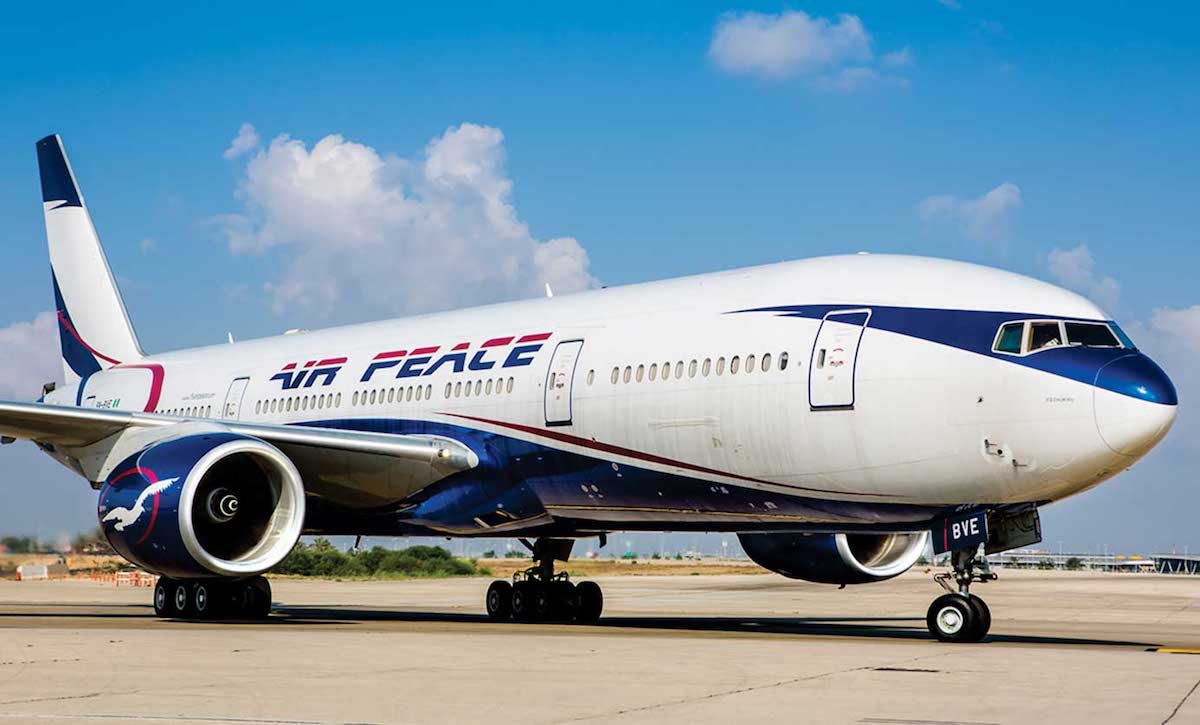
NCAA: Air Peace Aborted Flight Discount Prompts Regulatory Scrutiny
Summary
- Air Peace offered a 25 percent ticket discount to passengers after an aborted Lagos-Enugu flight.
- The Nigerian Civil Aviation Authority (NCAA) intervened following the incident.
- NCAA's intervention exposed concerns about Air Peace's frequent delays.
- This event could establish a new benchmark for passenger compensation in Nigeria, influenced by NCAA scrutiny.
The Aborted Flight and Air Peace's Response
This incident suggests a potential benchmark for passenger compensation following flight disruptions in Nigeria, influenced by NCAA scrutiny, which compliance officers at airlines should monitor for evolving regulatory expectations regarding passenger welfare.
An Air Peace flight, scheduled to travel from Lagos to Enugu, recently experienced an unexpected abortion, causing considerable disruption and inconvenience for the passengers who had boarded. This operational failure necessitated an immediate response from the airline to address the affected travelers. In the aftermath of this specific Lagos-Enugu flight disruption, Air Peace offered a 25 percent ticket discount to those impacted by the aborted journey. This measure was presented as a direct form of compensation for the inconvenience and altered travel plans.
The incident quickly drew the attention of the Nigerian Civil Aviation Authority (NCAA), which subsequently intervened. The NCAA's involvement was not merely a passive observation but an active engagement that brought to light broader concerns about the airline's operational consistency. The Air Peace aborted flight discount, while a direct response to the immediate situation, also became a focal point for regulatory scrutiny, highlighting the importance of airline accountability in managing flight disruptions.
NCAA Intervention and Broader Operational Concerns
The Nigerian Civil Aviation Authority's intervention following the aborted Lagos-Enugu flight was pivotal, extending beyond the immediate incident to expose systemic issues within Air Peace's operations. The regulatory body specifically highlighted concerns regarding the airline's frequent delays, indicating a pattern of operational inconsistencies that affect passenger experience. This broader scrutiny by the NCAA underscores its mandate to safeguard Nigerian aviation passenger rights and ensure that airlines maintain acceptable service standards.
The NCAA's focus on Air Peace's frequent delays suggests a proactive approach to monitoring airline performance, particularly in light of recurring disruptions. Such regulatory oversight is crucial for fostering a reliable air travel environment and for compelling airlines to enhance their operational efficiency and punctuality. The implications of this intervention extend to how airlines manage their schedules, maintain their fleet, and communicate with passengers, especially when facing challenges that lead to events like the Lagos-Enugu flight cancellation compensation scenarios. The authority's actions serve as a reminder that operational shortcomings, even if seemingly isolated, can trigger comprehensive regulatory reviews.
Benchmarking Passenger Compensation and Regulatory Expectations
The decision by Air Peace to provide a 25 percent ticket discount in the wake of the aborted Lagos-Enugu flight, particularly under the direct influence of NCAA scrutiny, could establish a significant precedent for passenger compensation practices across the Nigerian aviation sector. This incident suggests a potential benchmark for passenger compensation following flight disruptions in Nigeria, influenced by NCAA scrutiny, which compliance officers at airlines should monitor for evolving regulatory expectations regarding passenger welfare. The specific Air Peace aborted flight discount, therefore, is not just an isolated act of customer service but a potential indicator of shifting industry norms.
For compliance officers and legal teams within other airlines, this development necessitates a close examination of how the NCAA interprets and enforces passenger rights, especially concerning various forms of Air Peace flight cancellation compensation and other operational disruptions. The proactive offering of a tangible discount, even if prompted by regulatory attention, sets a new standard that could influence future expectations for how airlines manage and compensate passengers affected by unforeseen operational challenges. This scenario highlights the dynamic nature of Nigerian aviation passenger rights, where specific incidents can catalyze significant shifts in industry practice and regulatory oversight, pushing for greater accountability and improved passenger welfare. Airlines operating in Nigeria may now face increased pressure to offer more substantial compensation beyond simple rebooking, particularly when incidents draw direct regulatory attention and public scrutiny, as seen with this Lagos-Enugu flight disruption.
Practical Implications
This incident suggests a potential benchmark for passenger compensation following flight disruptions in Nigeria, influenced by NCAA scrutiny, which compliance officers at airlines should monitor for evolving regulatory expectations regarding passenger welfare.
Source
How does this affect you?
Get an AI analysis of this article grounded in your jurisdictions, practice areas, and any policy documents you've uploaded to Wansom.
Finish Reading the Full Story and the Expert Analysis.
Get the latest legal & regulatory intelligence in Nigeria
Wansom is AI and can make mistakes.