
Namibia Women MPs Gender Law Call: Kuugongelwa-Amadhila Seeks Legislation
Summary
- National Assembly Speaker Saara Kuugongelwa-Amadhila urged women parliamentarians to convert gender commitments into national laws.
- The call was made at a Joint Women Parliamentary Caucus conference held in Windhoek on Friday.
- Speaker Kuugongelwa-Amadhila highlighted that women's representation remains uneven, with women making up 42.3% of the body she referenced.
- She emphasized the use of legislative and oversight powers to create concrete national policies from regional and international gender accords.
Call for Legislative Action
Her remarks emphasized that the legislative and oversight functions inherent to their parliamentary roles are essential tools for driving substantive change.
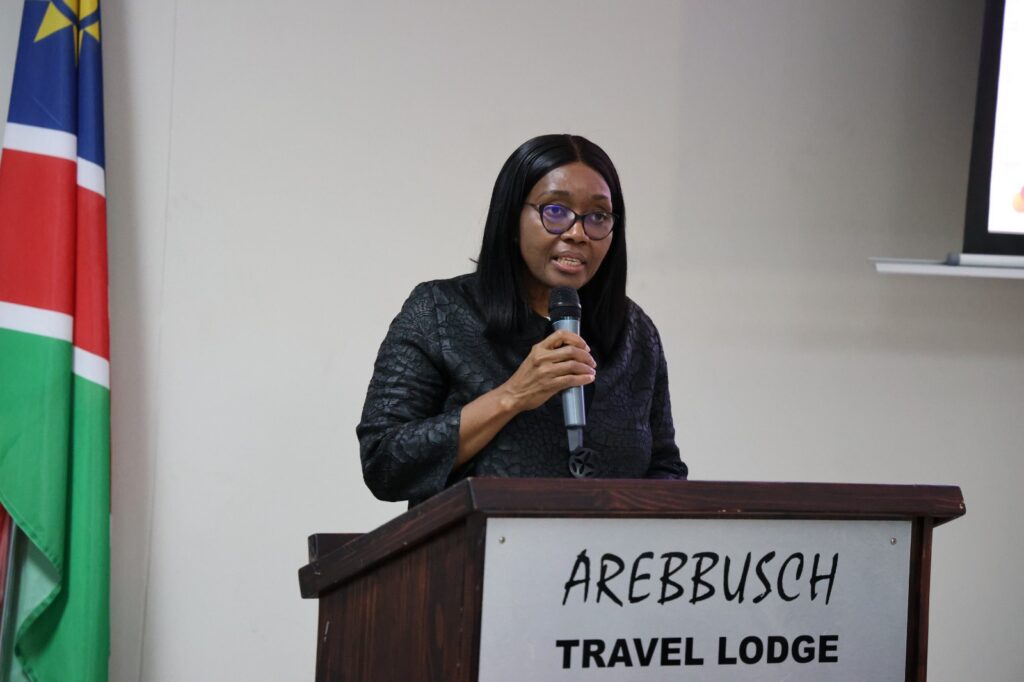
The National Assembly speaker, Saara Kuugongelwa-Amadhila, recently issued a significant call to action for women parliamentarians, urging them to leverage their legislative and oversight capabilities. This directive, delivered during a Joint Women Parliamentary Caucus (JWPC) conference held in Windhoek on Friday, underscored the critical need to translate existing regional and international gender commitments into tangible national laws and policies. This proactive stance signals a potential acceleration in Namibia's efforts to codify gender equality principles.
Speaker Kuugongelwa-Amadhila's address highlighted the pivotal role of elected women officials in shaping the nation's legal framework. Her remarks emphasized that the legislative and oversight functions inherent to their parliamentary roles are essential tools for driving substantive change. This clear articulation of purpose represents a direct challenge to the nation's women MPs to champion new gender legislation and ensure its effective implementation, marking a crucial moment for the Namibia women MPs gender law call.
Addressing Uneven Representation
During her address, Speaker Kuugongelwa-Amadhila also drew attention to the persistent issue of uneven gender representation within the political sphere. She noted that women currently constitute 42.3% of the entity she referenced, indicating that despite progress, parity remains an ongoing challenge. This observation provides a backdrop for her broader appeal, suggesting that increased representation is not merely a numbers game but a prerequisite for more effective gender-responsive policymaking.
The speaker's comments implicitly link the current state of representation to the urgency of developing robust Namibia gender equality legislation. The call for women parliamentarians to actively shape national policy aligns with the broader objectives of the Saara Kuugongelwa-Amadhila gender policy agenda, which seeks to integrate gender perspectives across all governmental functions. This strategic focus aims to ensure that national laws reflect and uphold the principles enshrined in various international and regional accords.
Translating Commitments into Law
The core of Speaker Kuugongelwa-Amadhila's message centered on the imperative to transform abstract gender commitments into concrete national laws and policies. This process involves the meticulous drafting, debate, and enactment of legislation that directly addresses gender disparities and promotes equality. The Joint Women Parliamentary Caucus Namibia, as the forum for this discussion, is positioned as a key vehicle for coordinating these legislative efforts among women parliamentarians.
Broader Policy Implications
The speaker's directive carries significant implications for the future trajectory of gender commitments national policy Namibia. By urging women parliamentarians to act decisively, she is advocating for a legislative environment that is more responsive to gender equality imperatives. This proactive approach could lead to the introduction of new bills, amendments to existing statutes, and enhanced scrutiny of government programs through a gender lens.
For legal professionals and entities operating within Namibia, this signals a period of potential legislative evolution. Monitoring the legislative agenda of the Joint Women Parliamentary Caucus and the broader parliamentary activities related to gender equality will be crucial. The push for concrete national laws derived from regional and international commitments indicates a strengthening of the legal framework surrounding gender rights, which will necessitate compliance and adaptation across various sectors.
Practical Implications
This signals potential legislative developments in Namibia regarding gender equality, prompting lawyers to monitor new laws and advise clients on compliance with evolving national policies and international commitments.
Source
How does this affect you?
Get an AI analysis of this article grounded in your jurisdictions, practice areas, and any policy documents you've uploaded to Wansom.
Finish Reading the Full Story and the Expert Analysis.
Get the latest legal & regulatory intelligence in Namibia
Wansom is AI and can make mistakes.