
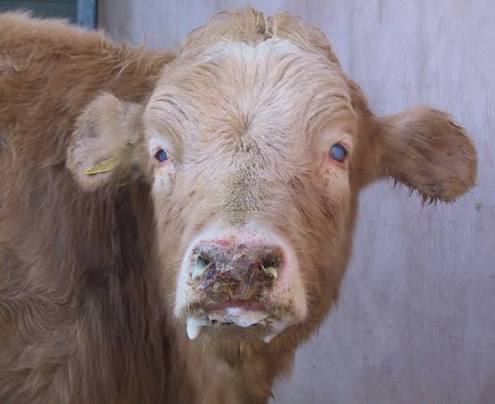
Namibia to Ease FMD Restrictions After Surveillance
Namibia's Ministry of Agriculture, Fisheries, Water and Land Reform announced on Saturday that foot-and-mouth disease (FMD) restrictions would be gradually eased in specific areas following an assessment of the outbreak's extent.
This development, communicated by acting agriculture minister Charles Mubita, indicates a strategic, data-driven approach to managing the FMD outbreak. The Ministry's intention to ease restrictions is contingent upon the thorough assessment of surveillance results, which will determine the precise extent and containment of the disease. This phased approach suggests a cautious move towards normalcy, balancing economic recovery with the imperative of disease control.
The legal significance of this announcement is substantial for Namibia's agricultural sector, particularly for livestock farmers, meat processors, and related businesses. FMD outbreaks and the associated movement restrictions can severely disrupt supply chains, limit market access, and inflict significant economic losses. The prospect of easing these restrictions offers a pathway for businesses to resume more normal operations, potentially mitigating further financial strain. However, it also underscores the ongoing need for vigilance and compliance with biosecurity measures to prevent resurgence.
The legal framework governing animal disease control in Namibia is primarily established by the Animal Health Act (Act No. 1 of 2011) and its subsidiary regulations. This Act grants the Minister broad powers to declare controlled diseases, impose movement restrictions, establish quarantine zones, and implement measures for disease prevention, control, and eradication. The Ministry's decision to ease restrictions based on surveillance results falls squarely within these statutory powers, demonstrating a regulatory response guided by scientific data and public health considerations. The key party involved is the Ministry of Agriculture, Fisheries, Water and Land Reform, led by acting minister Charles Mubita, with affected parties including the entire livestock industry and associated economic sectors.
Attorneys advising clients in the agricultural and related industries should closely monitor official pronouncements from the Ministry regarding the specific areas where restrictions will be lifted or modified, as well as any revised operational guidelines or permit requirements. Businesses should prepare for potential changes in market dynamics and supply chain logistics, ensuring their operations remain compliant with all animal health regulations. Legal professionals should also advise on the importance of maintaining robust biosecurity protocols and understanding potential liabilities during this transitional period, as the easing of restrictions does not negate the underlying risk of FMD.
How does this affect you?
Get an AI analysis of this article grounded in your jurisdictions, practice areas, and any policy documents you've uploaded to Wansom.
Finish Reading the Full Story and the Expert Analysis.
Get the latest legal & regulatory intelligence in Namibia
Wansom is AI and can make mistakes.