
Namibia: Sugar VAT Zero-Rating Review Signals Policy Shift
Summary
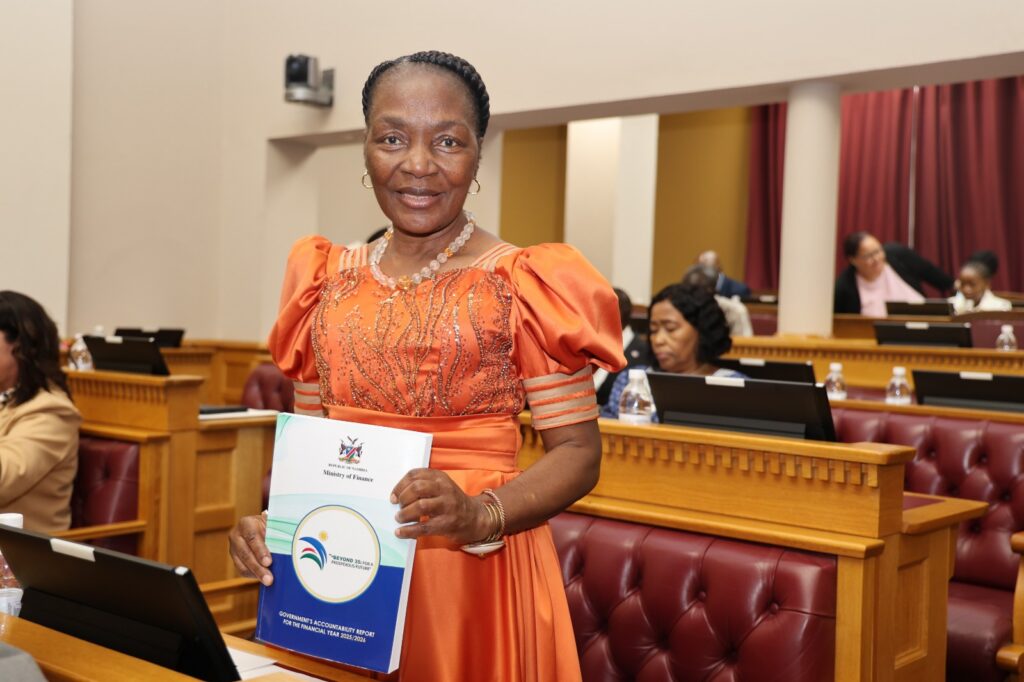
- Namibia's Finance Minister Ericah Shafudah announced a review of the VAT zero-rating on sugar consumption.
- The announcement was made during the tabling of the 2026/27 mid-term budget.
- The zero-rating policy was initially introduced to provide financial relief to consumers.
- The review raises the possibility of significant changes to the tax treatment of sugar.
- Businesses and consumers could face altered pricing and compliance obligations if the zero-rating is removed.
Government Initiates Review of Sugar VAT Status
The ongoing assessment signals a potential shift in the fiscal treatment of sugar, which could have wide-ranging implications for both consumers and the industry.
The Namibian government has announced a comprehensive review of the value-added tax (VAT) zero-rating currently applied to sugar consumption. This significant development was revealed by Finance Minister Ericah Shafudah during her presentation of the 2026/27 mid-term budget. The ongoing assessment signals a potential shift in the fiscal treatment of sugar, which could have wide-ranging implications for both consumers and the industry.
The review specifically targets the zero-rating policy, which has historically exempted sugar from VAT, thereby reducing its cost to the end-user. Minister Shafudah's statement underscores the government's intent to re-evaluate the efficacy and necessity of this long-standing tax relief measure. The outcome of this review could lead to the removal of the zero-rating, effectively imposing VAT on sugar, or other adjustments to its current tax status.
Policy Background and Potential Changes
The original implementation of the VAT zero-rating on sugar was primarily intended as a consumer relief measure. By removing the 15% VAT, the government aimed to make sugar more affordable for the general populace, particularly benefiting lower-income households. This policy aligns with broader efforts to alleviate financial burdens on citizens through targeted tax exemptions on essential goods.
However, the current review suggests that the government is now scrutinizing whether this policy still serves its intended purpose optimally or if there are other considerations that warrant a change. Any alteration to the Namibia VAT on sugar would represent a notable shift in the country's fiscal policy regarding staple food items. The potential for changes to the tax treatment of the commodity is now a distinct possibility, moving beyond mere speculation.
Implications for Businesses and Consumers
The ongoing review of Namibia's VAT zero-rating policy for sugar carries substantial weight for various stakeholders. Should the government decide to remove the zero-rating, consumers would likely face increased prices for sugar and sugar-containing products, impacting household budgets. For businesses involved in the import, production, and sale of sugar, such a change would necessitate a re-evaluation of pricing strategies, supply chain costs, and overall operational expenses.
Compliance officers and legal counsel for businesses operating within Namibia's sugar sector must closely monitor the developments stemming from the Ericah Shafudah sugar tax review. Adjustments to the VAT zero-rating policy Namibia could significantly alter tax compliance obligations, requiring companies to adapt their financial reporting and tax remittance processes. The mid-term budget tax changes, as announced, highlight a period of potential fiscal adjustments that demand careful attention from the business community.
Practical Implications
Compliance officers and legal counsel for businesses involved in the import, production, or sale of sugar in Namibia should closely monitor developments regarding the VAT zero-rating review, as changes could significantly impact pricing strategies, supply chain costs, and tax compliance obligations.
Source
How does this affect you?
Get an AI analysis of this article grounded in your jurisdictions, practice areas, and any policy documents you've uploaded to Wansom.
Finish Reading the Full Story and the Expert Analysis.
Get the latest legal & regulatory intelligence in Namibia
Wansom is AI and can make mistakes.