
Namibia High Court: POCA Section 51 Preservation Order in Rhino Poaching
Summary
- Namibia's High Court recently issued an ex parte preservation order targeting assets linked to rhino poaching.
- The order covers two vehicles and N$810 allegedly connected to the killing of two white rhinoceroses in the Omaheke region.
- Acting Prosecutor General Martha Imalwa secured the order under Section 51 of the Prevention of Organised Crime Act.
- This action highlights the state's proactive use of POCA for asset seizure in serious criminal cases.
What Happened
This case highlights the proactive use of POCA by Namibian authorities in their ongoing battle against wildlife trafficking and rhino poaching.
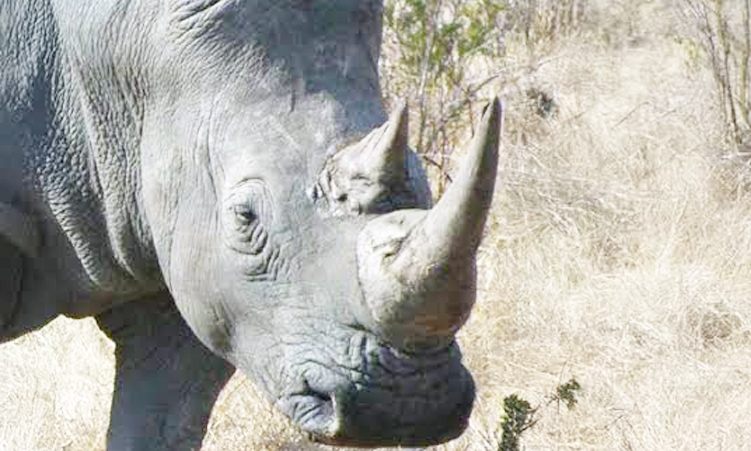
Namibia's High Court recently issued a significant ex parte preservation order, targeting assets allegedly connected to a severe wildlife crime. The order specifically covers two vehicles and a sum of N$810, which authorities contend are linked to the unlawful killing of two white rhinoceroses. This poaching incident reportedly took place at a farm situated in the Omaheke region.
The legal action was initiated by Acting Prosecutor General Martha Imalwa, who secured the order without prior notification to the asset owners. This type of order, known as an ex parte preservation order Namibia, is a crucial tool under the country's legal framework, designed to prevent the dissipation or concealment of assets before a full forfeiture hearing can take place. The High Court's decision underscores the state's commitment to leveraging legal mechanisms to combat serious criminal activities, particularly those involving endangered species.
Legal Context and POCA's Role
The preservation order was granted in terms of Section 51 of the Prevention of Organised Crime Act (POCA), a cornerstone of Namibia's strategy against serious and organised crime. This specific provision, Namibia POCA Section 51 preservation order, empowers the state to freeze assets believed to be the proceeds of unlawful activities or instruments used in committing such crimes. The primary objective is to ensure that these assets remain available for potential forfeiture to the state, thereby stripping criminals of their ill-gotten gains.
The Prevention of Organised Crime Act Namibia establishes a robust framework for asset forfeiture, operating independently of a criminal conviction in some instances. The ex parte nature of this particular order means it was obtained by the Acting Prosecutor General Martha Imalwa without the knowledge or presence of the respondents, a procedure typically reserved for urgent cases where there is a risk that assets might be moved or hidden if notice were given. This mechanism allows for swift action by the Namibia High Court asset seizure process to secure property linked to criminal enterprises, including those involved in rhino poaching.
Why It Matters
This case highlights the proactive use of POCA by Namibian authorities in their ongoing battle against wildlife trafficking and rhino poaching. By targeting assets such as vehicles and cash, the state aims to disrupt the financial networks that underpin these illicit activities, making it more difficult and less profitable for criminals to operate. The application of asset forfeiture rhino poaching provisions serves as a significant deterrent, sending a clear message that those involved in such crimes will not only face criminal prosecution but also risk losing any property connected to their illegal ventures.
For legal practitioners and their clients, this ruling underscores the potential asset forfeiture risks under POCA, particularly Section 51. It reinforces the need for individuals to ensure their assets are not, even inadvertently, linked to criminal activities. The state's willingness to pursue ex parte preservation orders demonstrates a firm resolve to employ all available legal instruments to combat serious crimes, thereby protecting Namibia's natural heritage and upholding the rule of law.
Practical Implications
This case highlights the Namibian state's proactive use of the Prevention of Organised Crime Act (POCA) for asset preservation in serious crimes. Lawyers should advise clients on potential asset forfeiture risks under POCA, particularly Section 51, if their assets could be linked to criminal activities, including wildlife trafficking.
Source
How does this affect you?
Get an AI analysis of this article grounded in your jurisdictions, practice areas, and any policy documents you've uploaded to Wansom.
Finish Reading the Full Story and the Expert Analysis.
Get the latest legal & regulatory intelligence in Namibia
Wansom is AI and can make mistakes.