
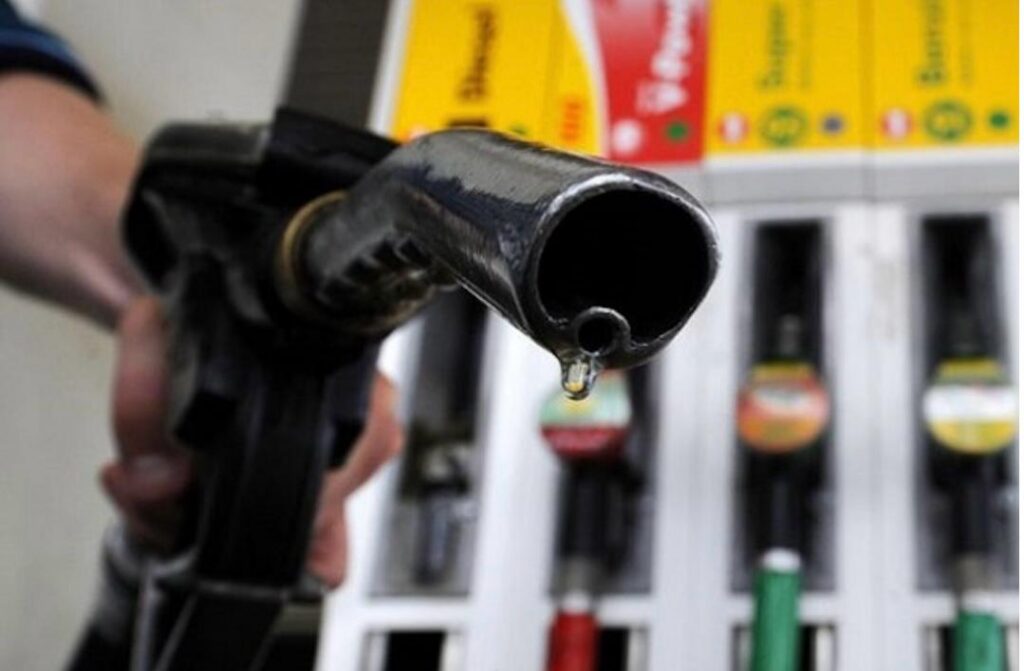
Namibia: September Fuel Price Road Levies To Increase
Summary
- Namibia's energy ministry announced fuel price increases for September, effective Wednesday, September 2.
- Petrol prices will rise by 60 cents per litre, reaching a new price of N$25.08.
- Diesel prices are set to increase by N$1.60 per litre.
- The adjustments are attributed to volatile international oil markets and an increase in road levies.
Upcoming Fuel Price Hikes in Namibia
The impending Namibia September fuel price adjustment carries significant implications for various sectors of the economy, particularly the Namibia transport sector cost impact.
The Namibian energy ministry has announced a significant adjustment to fuel prices for the month of September, impacting both petrol and diesel consumers across the nation. This forthcoming increase, which becomes effective on Wednesday, September 2, marks a notable shift in the cost of transportation and logistics within the country. The ministry attributed these changes to a combination of external market pressures and internal policy adjustments, specifically citing volatile international oil markets and an upward revision of road levies.
Factors Influencing the Adjustment
The dual factors driving the Namibia September fuel price road levies adjustment highlight the complex interplay of global and domestic influences on local energy costs. International oil markets have exhibited considerable volatility, a persistent challenge for economies reliant on imported fuel. Fluctuations in crude oil prices, exchange rates, and global supply-demand dynamics directly translate into higher acquisition costs for refined petroleum products, necessitating price revisions at the pump. This external pressure forms a significant part of the rationale behind the upcoming Namibia petrol diesel price increase.
Concurrently, the energy ministry has also implemented an increase in road levies, a domestic policy decision that directly contributes to the overall fuel price hike. These levies are typically earmarked for the maintenance and development of national road infrastructure, playing a crucial role in the transport sector. The decision to raise these levies, alongside the impact of international market conditions, underscores the government's strategy to manage both revenue generation for infrastructure and the pass-through of global commodity price movements. This specific increase in Namibia energy ministry road levies is a key component of the September adjustment.
Broader Economic Implications
The impending Namibia September fuel price adjustment carries significant implications for various sectors of the economy, particularly the Namibia transport sector cost impact. Businesses heavily reliant on logistics and transportation, such as freight companies, agricultural enterprises, and manufacturing firms, will face increased operational expenses. The substantial rise in diesel prices, in particular, is likely to ripple through supply chains, potentially leading to higher costs for goods and services as businesses pass on their increased fuel expenditures to consumers. This scenario highlights the direct link between Namibia fuel tax changes and broader economic stability.
Consumers will also feel the pinch, not only through direct costs at the pump but also indirectly through elevated prices for everyday commodities. The cumulative effect of these fuel price increases, driven by both market volatility and increased road levies, could impact household budgets and discretionary spending. Understanding these Namibia September fuel price road levies is crucial for businesses and individuals alike to anticipate and adapt to the evolving economic landscape. The energy ministry's decision, while necessary to reflect market realities and fund infrastructure, will undoubtedly necessitate strategic financial planning across the country.
Practical Implications
Lawyers and compliance officers should advise clients, particularly those in logistics, transport, and manufacturing, on the direct cost implications of increased fuel prices and road levies in Namibia. This necessitates reviewing existing supply contracts for price adjustment clauses and assessing the impact on operational budgets and profitability.
Source
How does this affect you?
Get an AI analysis of this article grounded in your jurisdictions, practice areas, and any policy documents you've uploaded to Wansom.
Finish Reading the Full Expert Analysis.
Wansom is AI and can make mistakes.