
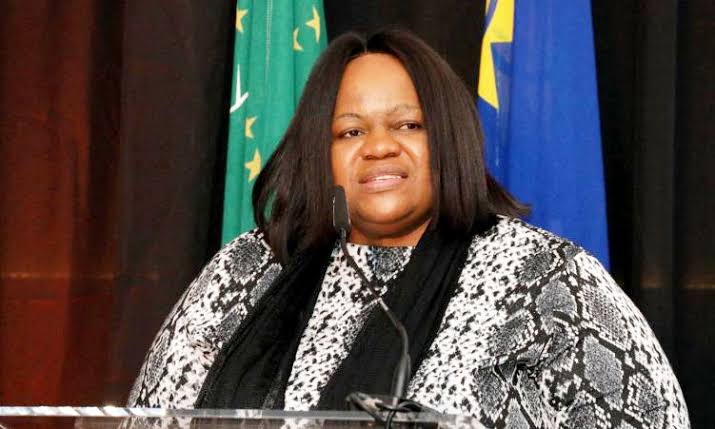
Namibia Minister Iipumbu Impersonation Scam: Public Alert Issued
Summary
- Fraudsters are impersonating Namibia's Minister of Home Affairs, Immigration, Safety and Security, Lucia Iipumbu.
- The minister's office issued a public scam alert on Friday regarding messages sent under her false identity.
- Minister Iipumbu stated that her mobile phone or contact information may have been compromised by the scammers.
- Fraudulent messages are being sent to individuals whose contact details were obtained by the perpetrators.
- The public is urged to exercise extreme caution and verify communications purporting to be from official government sources.
What Happened
It is imperative for individuals to verify the authenticity of any message claiming to be from a government official, particularly when it requests personal information or actions.
A significant public alert has been issued in Namibia concerning a sophisticated impersonation scam targeting citizens. Fraudsters are actively exploiting the name and official identity of Lucia Iipumbu, the nation's Minister of Home Affairs, Immigration, Safety and Security. These malicious actors are reportedly sending various messages, falsely claiming to be the minister, in an attempt to deceive unsuspecting individuals. The minister's own office has taken the step of issuing a formal warning to the public, underscoring the severity of this ongoing deception.
The public scam alert, which was disseminated on Friday, specifically highlights the fraudulent activities. This Namibia Minister Iipumbu impersonation scam represents a direct threat to public trust and individual security. The warning from the Ministry of Home Affairs, Immigration, Safety and Security is a crucial step in informing the populace about the deceptive practices currently in circulation, urging extreme caution when receiving unsolicited communications that appear to originate from high-ranking government officials. This incident underscores a growing trend of cybercrime Namibia is facing.
Minister's Concerns and Identity Theft Alert
In a candid statement accompanying the public alert, Minister Iipumbu herself expressed concern that her personal mobile phone or other contact information might have been compromised. This potential breach of her private data is believed to be the mechanism enabling the fraudsters to send messages that appear more credible to their targets. The perpetrators are specifically directing these fraudulent communications to individuals whose contact details they have somehow managed to acquire, suggesting a targeted approach rather than random outreach.
This development raises serious questions about data security and the methods employed by these scammers to obtain personal information. The Home Affairs Minister Namibia scam is not merely an inconvenience; it represents a significant Namibia identity theft alert for the public, as it indicates that personal data may be circulating in illicit channels. Such incidents highlight the broader challenges posed by cybercrime, where even the contact information of high-profile government officials can become targets for exploitation, leading to widespread fraud.
Protecting Against Deception
The primary objective of this public scam alert Namibia is to safeguard citizens from falling victim to these deceptive schemes. The fraudulent messages, sent under the guise of the Minister of Home Affairs, Immigration, Safety and Security, could potentially lead to various forms of exploitation, from financial loss to the compromise of personal data. Therefore, the Lucia Iipumbu fraud warning serves as a critical reminder for everyone to exercise heightened vigilance when interacting with digital communications, especially those purporting to be from official government sources.
It is imperative for individuals to verify the authenticity of any message claiming to be from a government official, particularly when it requests personal information or actions. The Ministry of Home Affairs scam underscores the sophisticated nature of modern fraud, where impersonation is used to build false trust. This situation demands that individuals and organizations alike review their protocols for identifying and responding to suspicious communications, ensuring they do not inadvertently contribute to the success of these malicious cybercrime Namibia operations.
Practical Implications
Lawyers and compliance officers should advise clients on heightened vigilance against phishing and social engineering scams, particularly those impersonating government officials, and review internal protocols for verifying official communications to prevent financial losses or data breaches.
Source
How does this affect you?
Get an AI analysis of this article grounded in your jurisdictions, practice areas, and any policy documents you've uploaded to Wansom.
Finish Reading the Full Story and the Expert Analysis.
Get the latest legal & regulatory intelligence in Namibia
Wansom is AI and can make mistakes.