
Namibia Informal Traders Parliamentary Report: Highlights Sanitation Crisis
Summary
- A parliamentary report has highlighted severe operational deficiencies faced by informal traders in several major Namibian towns.
- Key issues include a widespread lack of basic sanitation, secure storage facilities, and sufficient trading space.
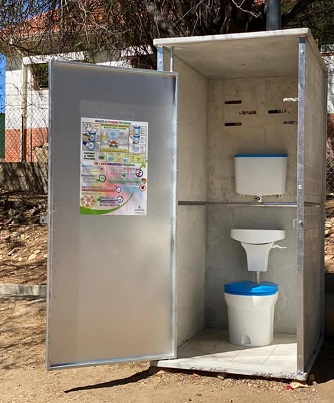
- Some traders are compelled to pay for toilet access, while others resort to unsanitary practices like using bushes.
- These findings stem from oversight visits conducted by the parliamentary standing committee on economy and industry, public administration and planning.
What the Report Revealed
The documented lack of essential services such as sanitation and secure storage, coupled with insufficient trading space, points to substantial compliance gaps in urban planning and public health standards.
The conditions faced by informal traders in several of Namibia's prominent urban centers have been brought to light by a recent parliamentary assessment, revealing significant infrastructural and amenity deficits. A critical finding indicates that these traders frequently operate without access to fundamental sanitation facilities, posing considerable health and hygiene challenges. Beyond the lack of basic toilets, the report also underscores a widespread absence of secure storage options for goods, leaving traders vulnerable to losses and theft. Furthermore, many informal vendors are constrained by inadequate trading space, which can hinder their ability to display products effectively and serve customers efficiently.
The parliamentary inquiry specifically detailed the dire sanitation situation, noting that some informal traders are forced to incur costs to use public or private toilet facilities. For those unable or unwilling to pay, the report highlights the alarming practice of resorting to using natural environments, such as bushes, for their sanitary needs. These revelations paint a stark picture of the operational environment for a significant portion of the informal economy in Namibia, pointing to systemic issues that impact both the traders' livelihoods and public health. The identified shortcomings in basic infrastructure like sanitation, storage, and adequate trading areas suggest a pressing need for intervention and improved urban planning to support this vital economic sector.
Parliamentary Scrutiny
These concerning insights into the informal trading sector emerged from a comprehensive report compiled by the parliamentary standing committee on economy and industry, public administration and planning. This influential committee undertook a series of oversight visits to various informal trading locations across the country, gathering firsthand information on the prevailing conditions. The report, therefore, represents a formal governmental acknowledgment of the challenges confronting a substantial segment of the Namibian workforce.
The committee's mandate involves scrutinizing economic activities and public administration, making its findings particularly authoritative regarding the state of the informal economy. By conducting direct visits, the committee ensured that its assessment was grounded in observable realities rather than theoretical assumptions. The resulting document serves as a critical record, detailing the operational environment and the specific hardships experienced by informal traders, thereby providing a factual basis for potential policy reforms and interventions. This parliamentary initiative underscores a commitment to understanding and addressing the structural issues within the informal sector.
Implications for Informal Economy
The findings from the parliamentary standing committee's report carry significant implications for the regulation and development of Namibia's informal economy. The documented lack of essential services such as sanitation and secure storage, coupled with insufficient trading space, points to substantial compliance gaps in urban planning and public health standards. These deficiencies not only impede the economic viability of informal businesses but also raise serious concerns regarding the human rights of the individuals operating within this sector, particularly concerning dignity and health.
The report effectively highlights the precarious nature of informal work when basic infrastructure is absent. Addressing these issues would require a multi-faceted approach, potentially involving the development of new municipal bylaws, investment in improved market infrastructure, and enhanced health and safety regulations specifically tailored for informal trading environments. For legal professionals, these revelations signal a potential for increased scrutiny on local authorities regarding their provision of public services and could foreshadow future litigation risks related to inadequate facilities or unsafe working conditions. Ultimately, the report serves as a critical call to action for stakeholders to improve the foundational conditions that support the informal economy, ensuring a more equitable and sustainable environment for its participants.
Practical Implications
This parliamentary report highlights significant compliance gaps and potential human rights issues within Namibia's informal trading sector. Lawyers advising local authorities, property developers, or businesses interacting with informal markets should monitor for new bylaws, health and safety regulations, or potential litigation risks stemming from these findings.
Source
How does this affect you?
Get an AI analysis of this article grounded in your jurisdictions, practice areas, and any policy documents you've uploaded to Wansom.
Finish Reading the Full Story and the Expert Analysis.
Get the latest legal & regulatory intelligence in Namibia
Wansom is AI and can make mistakes.