
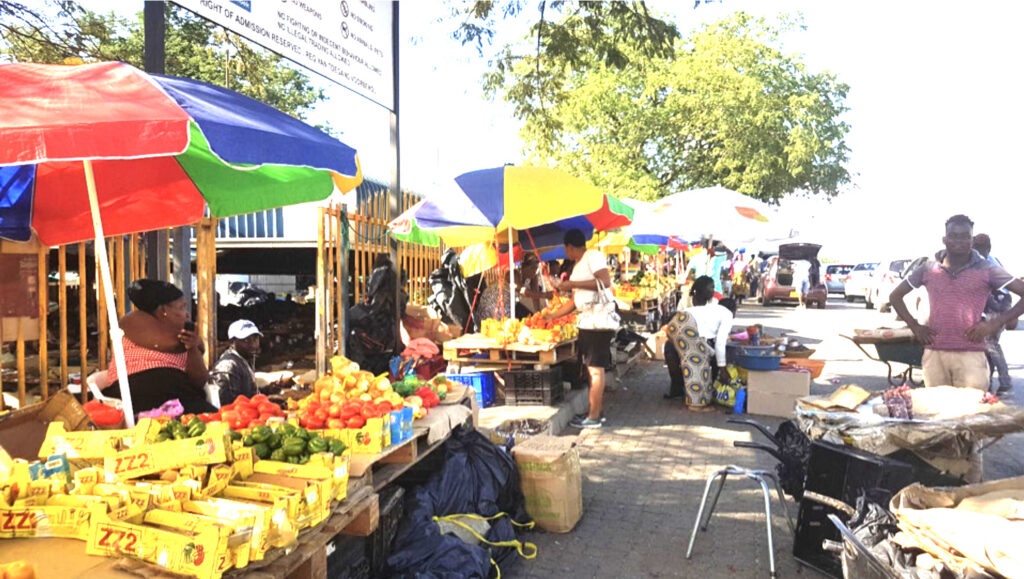
Namibia: Government Forms Informal Economy Institutionalisation Committee
Summary
- The Namibian government has established a National Technical Committee on Institutionalisation of the Informal Economy.
- This committee's formation signals the government's recognition of the informal economy's vital role in national development.
- The announcement was made on Monday by Tangeni Shindondola, executive director of the Dynamic Informal Traders Association.
- The Dynamic Informal Traders Association advocates for micro, small, and medium enterprises (MSMEs).
Key Development in Namibia's Economy
For legal professionals and their clients, particularly those operating within or interacting with Namibia's informal economy, the establishment of the Namibia informal economy institutionalisation committee signals a period of impending policy and regulatory transformation.
The Namibian government has officially moved to acknowledge the significant contribution of the informal economy to the nation's development by establishing a dedicated body. This new entity, known as the National Technical Committee on Institutionalisation of the Informal Economy, was recently formed to address the integration and formalization of this crucial sector. The creation of this Namibia informal economy institutionalisation committee underscores a strategic shift in how the government views and intends to engage with a substantial portion of its economic activity.
The formation of this committee was publicly announced on Monday by Tangeni Shindondola, the executive director of the Dynamic Informal Traders Association. This association plays a pivotal role in advocating for the interests of micro, small, and medium enterprises (MSMEs) across Namibia. Shindondola's statement highlighted the government's explicit recognition of the informal economy's vital role, signaling a proactive approach to its future. This development suggests that the government is preparing to implement new policies and frameworks that could profoundly impact informal traders and small businesses nationwide.
Context and Mandate
The term "institutionalisation" within the committee's name, the National Technical Committee on Institutionalisation of the Informal Economy, implies a comprehensive effort to integrate the informal sector into the broader formal economy. This process typically involves developing a robust Namibia informal sector legal framework, which could encompass new registration requirements, tax policies, social security provisions, and access to formal financial services. Such changes aim to provide greater stability and opportunities for informal traders while also potentially expanding the government's regulatory oversight and revenue base.
The involvement of the Dynamic Informal Traders Association, through its executive director Tangeni Shindondola, further emphasizes the collaborative nature of this initiative. As an organization dedicated to advocating for MSMEs, its insights will be crucial in shaping policies that are both effective and equitable for the informal workforce. The committee's work is expected to lay the groundwork for significant Namibia MSME regulation changes, moving beyond ad-hoc arrangements to a more structured and supportive environment. This aligns with a broader Namibia government informal economy policy to harness the full potential of all economic participants.
Anticipating Regulatory Shifts
For legal professionals and their clients, particularly those operating within or interacting with Namibia's informal economy, the establishment of the Namibia informal economy institutionalisation committee signals a period of impending policy and regulatory transformation. Lawyers should proactively advise their clients, especially MSMEs, to closely monitor the developments emanating from this committee. The outcomes could introduce new compliance obligations, offer formalisation incentives, or establish entirely new legal frameworks that will directly affect their business operations and legal standing.
The potential for significant Namibia MSME regulation changes means that businesses currently operating informally may need to adapt to new licensing, taxation, or labor standards. Conversely, formal businesses that engage with informal suppliers or distributors might also see changes in their operational requirements or due diligence processes. Understanding the evolving Namibia informal sector legal framework will be paramount for ensuring continued compliance and leveraging any new opportunities for growth and integration. This proactive engagement with the committee's work will be essential for navigating the forthcoming shifts in the country's economic landscape.
Practical Implications
The formation of this committee signals impending policy and regulatory changes for Namibia's informal economy. Lawyers should advise clients, especially MSMEs, to monitor the committee's developments for new compliance obligations, formalisation incentives, or legal frameworks that could affect their business operations and legal standing.
Source
How does this affect you?
Get an AI analysis of this article grounded in your jurisdictions, practice areas, and any policy documents you've uploaded to Wansom.
Wansom is AI and can make mistakes.