
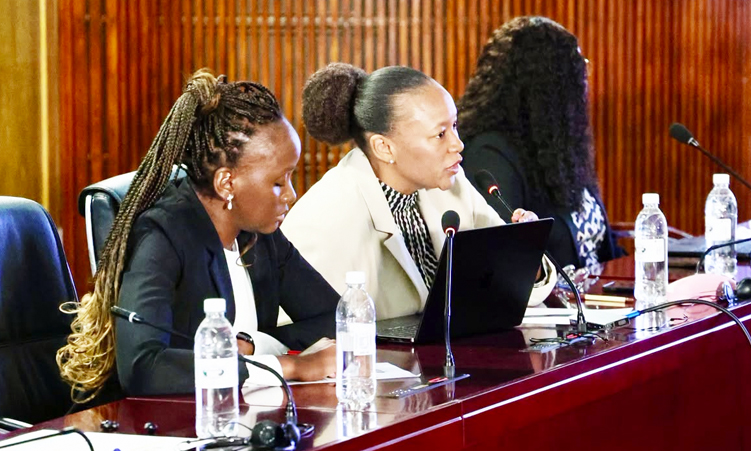
BAN: Namibia Household Debt Not Solely Microlender-Driven
Summary
- The Bankers Association of Namibia (BAN) appeared before a parliamentary committee on Friday to discuss household debt.
- BAN Chief Executive Dantagos Jimmy stated that microlenders are not solely responsible for high debt levels.
- Jimmy highlighted other financial pressures, including low wages, as significant contributors to Namibia's household debt.
- The parliamentary hearing signals potential future regulatory scrutiny and policy changes concerning consumer credit.
- Financial institutions, especially microlenders, should monitor these discussions for impacts on lending practices and compliance.
Parliamentary Scrutiny on Namibia's Household Debt
The Bankers Association of Namibia emphasized that while microlenders play a role, broader economic factors, including low wages, are significant contributors to the nation's escalating household debt.
The Bankers Association of Namibia (BAN) recently presented before a key parliamentary body, addressing the pressing issue of escalating household debt across the nation. During a public hearing held on Friday, Dantagos Jimmy, the chief executive of BAN, articulated the association's perspective on the complex factors contributing to this financial burden.
Jimmy conveyed to the National Assembly’s parliamentary standing committee on economy and industry, public administration and planning that the high levels of debt observed are not solely attributable to microlenders. This statement underscores a broader understanding of the economic challenges faced by Namibian households, suggesting a multifaceted problem beyond the scope of a single lending sector.
The appearance before the parliamentary committee highlights the growing governmental focus on consumer financial health and the drivers behind Namibia household debt. Such public hearings often precede policy discussions or potential regulatory adjustments, signaling a period of heightened scrutiny for financial institutions operating within the country.
Unpacking the Drivers of Consumer Debt
In his testimony, Dantagos Jimmy of the Bankers Association of Namibia pointed to a range of financial pressures that, alongside microlending activities, contribute significantly to the nation's household debt. This perspective broadens the conversation beyond the immediate availability of credit, suggesting deeper systemic issues at play.
Among the key factors identified by BAN as drivers of Namibia consumer debt are low wages, which directly impact the disposable income and financial resilience of households. This assertion implies that even with responsible lending practices, insufficient income levels can compel individuals to rely on credit for essential needs, thereby accumulating debt.
The Bankers Association of Namibia's stance indicates a recognition that addressing household debt requires a comprehensive approach, looking beyond just microlending regulation Namibia. It suggests that economic conditions, particularly the impact of low wages on household budgets, are critical components in understanding and mitigating the overall debt crisis.
Implications for Financial Institutions and Regulatory Outlook
The ongoing parliamentary discussions, particularly the engagement with the Bankers Association of Namibia household debt concerns, carry significant implications for financial institutions, especially microlenders in Namibia. The committee's focus on identifying the root causes of debt suggests that future regulatory frameworks might consider a wider array of economic factors.
Lawyers advising financial institutions, particularly those involved in consumer credit, should closely monitor these parliamentary proceedings. The emphasis on factors like low wages as Dantagos Jimmy Namibia debt causes could lead to policy changes that affect lending criteria, consumer protection measures, or even broader economic interventions aimed at improving household financial stability.
Compliance officers within financial institutions are advised to assess current lending policies and practices against the backdrop of these evolving discussions. Potential shifts in consumer protection expectations or new directives regarding responsible lending could necessitate adjustments to ensure adherence to future regulatory landscapes concerning microlending regulation Namibia.
Practical Implications
Lawyers advising financial institutions, particularly microlenders in Namibia, should monitor ongoing parliamentary discussions regarding household debt drivers, as this signals potential future regulatory scrutiny or policy changes impacting consumer credit and lending practices. Compliance officers should assess current lending policies against potential shifts in consumer protection expectations.
Source
How does this affect you?
Get an AI analysis of this article grounded in your jurisdictions, practice areas, and any policy documents you've uploaded to Wansom.
Finish Reading the Full Story and the Expert Analysis.
Get the latest legal & regulatory intelligence in Namibia
Wansom is AI and can make mistakes.