
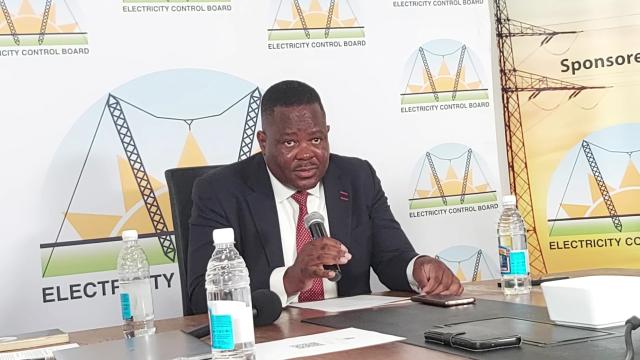
Namibia ECB: Threatens To Strip Electricity Licences From Councils
Summary
- Namibia's Electricity Control Board (ECB) has threatened to revoke electricity distribution licences from underperforming municipalities and regional councils.
- The ECB plans to transfer these networks to operators demonstrating proven technical and financial capacity.
- This warning follows an audit that identified widespread non-compliance across Namibia’s power infrastructure.
- The audit specifically focused on transmission, distribution, and supply networks.
- The move signals increased regulatory scrutiny and potential restructuring within the country's electricity sector.
ECB Issues Stern Warning to Councils
The ECB's intention is to transfer control of these essential services to alternative operators who can demonstrate robust technical and financial capabilities.
The Electricity Control Board (ECB) in Namibia has issued a significant warning, indicating its readiness to strip electricity distribution licences from municipalities and regional councils deemed to be underperforming. This decisive move signals a potential restructuring of the country's power distribution landscape, as the regulatory body aims to reallocate these networks.
The ECB's intention is to transfer control of these essential services to alternative operators who can demonstrate robust technical and financial capabilities. This threat to revoke municipal electricity licences comes as a direct consequence of a comprehensive audit that uncovered widespread deficiencies across Namibia's critical power infrastructure. The regulatory body's stance underscores a heightened focus on ensuring reliable and efficient electricity supply throughout the nation.
Audit Reveals Widespread Non-Compliance
The recent audit conducted by the Namibia Electricity Control Board audit highlighted significant non-compliance issues pervading the country's power infrastructure. This extensive review specifically scrutinized transmission, distribution, and supply networks, revealing systemic problems that have prompted the ECB's strong reaction. The findings suggest that many existing operators, particularly regional council electricity distribution entities, are failing to meet the required operational standards.
The widespread nature of the non-compliance across Namibia’s power infrastructure indicates a pressing need for improved governance and operational efficiency within the sector. The audit's conclusions form the bedrock of the ECB's current policy, justifying its readiness to implement the ECB licence revocation threat against entities that do not meet performance benchmarks. This regulatory action is designed to safeguard the stability and quality of electricity services for consumers nationwide.
Implications for Namibia's Power Sector
The ECB's declaration to Namibia ECB strip electricity licences councils marks a pivotal moment for the nation's energy sector. By threatening to remove underperforming entities, the regulator is opening doors for new, more capable operators to enter the electricity distribution market. This could lead to a significant overhaul of how power is managed and delivered at the local level, potentially attracting private investment and expertise into areas previously managed by public bodies.
This development has far-reaching implications, not only for the affected municipalities and regional councils but also for the broader economic development of Namibia. Ensuring that electricity networks are managed by operators with proven technical and financial capacity is crucial for national stability and growth. The ECB's firm stance is a clear signal that the era of tolerance for underperformance in this vital sector is drawing to a close, paving the way for a more robust and efficient power distribution system.
Why This Matters
The potential for the ECB to revoke municipal electricity licences underscores a critical shift in regulatory enforcement within Namibia. This move is not merely punitive but aims to enhance the overall reliability and quality of electricity services, which are fundamental to public welfare and economic activity. For legal professionals advising stakeholders in the Namibian energy sector, this signals an urgent need to review compliance frameworks and operational standards.
Furthermore, the prospect of networks being handed over to new operators creates both challenges and opportunities. Existing licence holders face the immediate threat of losing their distribution rights, while entities with strong technical and financial backing may find new avenues for market entry. This regulatory tightening by the Namibia Electricity Control Board audit will likely reshape the competitive landscape and operational practices across the country's power distribution network, emphasizing accountability and performance.
Practical Implications
Lawyers advising Namibian municipalities, regional councils, or potential private electricity operators should be aware of the heightened risk of licence revocation due to non-compliance. This development signals increased regulatory scrutiny and potential opportunities for new operators to acquire distribution networks, necessitating advice on compliance, tender processes, and regulatory challenges.
Source
How does this affect you?
Get an AI analysis of this article grounded in your jurisdictions, practice areas, and any policy documents you've uploaded to Wansom.
Wansom is AI and can make mistakes.