
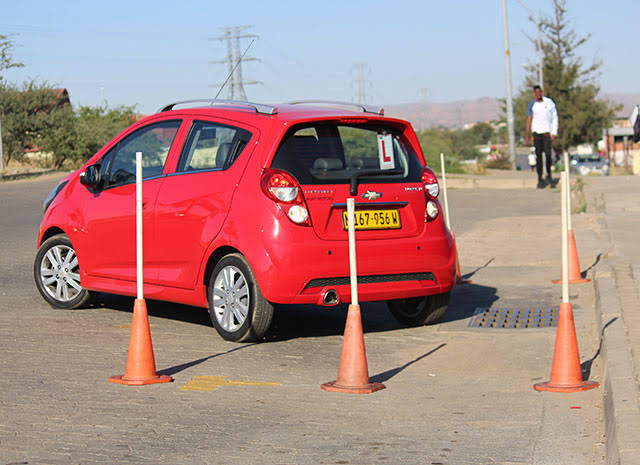
Namibia: New Driving School Regulation to Boost Road Safety
Summary
- Namibia's Ministry of Works and Transport is initiating a process to regulate driving schools and instructors.
- Minister Veikko Nekundi announced this development at a stakeholder consultation workshop in Swakopmund on a Monday.
- The regulation aims to improve the quality of driver training and strengthen overall road safety.
- The sector currently faces challenges, including issues described by the Minister as "inconsistent."
What Happened
The primary objectives behind this push for enhanced Namibia driving school regulation are two-fold: to elevate the standard of driver training and to bolster overall road safety across the country.
The Namibian government, through the Ministry of Works and Transport, has initiated a significant process to introduce new Namibia driving school regulation. This move targets both driving schools and individual instructors operating within the country, signaling a concerted effort to standardize and enhance the quality of driver education. The announcement underscores a broader commitment to improving public safety on the nation's roads.
Minister Veikko Nekundi recently articulated the government's intentions during a stakeholder consultation workshop held in Swakopmund. Speaking on a Monday, the Minister highlighted the critical need for comprehensive oversight in the driver training sector. This engagement with key industry players marks an initial step in developing and implementing the forthcoming regulatory framework.
Regulatory Imperative
The primary objectives behind this push for enhanced Namibia driving school regulation are two-fold: to elevate the standard of driver training and to bolster overall road safety across the country. Minister Nekundi emphasized that the current landscape presents various challenges, including issues characterized as "inconsistent," which presumably impact the efficacy and reliability of driver instruction. Addressing these inconsistencies is crucial for ensuring that all new drivers receive a uniformly high level of preparation before obtaining their licenses.
This regulatory drive forms part of a wider government strategy to strengthen the transport sector regulation Namibia. By focusing on the foundational elements of driver education, the Ministry aims to mitigate risks associated with inadequately trained drivers. The proposed changes are expected to encompass various aspects of driving school operations and potentially lead to Namibia driver instructor licensing changes, ensuring that those responsible for teaching new drivers meet stringent professional criteria. The Minister's remarks highlight the direct link between robust training and a reduction in road incidents, positioning this initiative as a vital component of Veikko Nekundi road safety Namibia efforts.
Implications and Future Steps
The ongoing stakeholder consultation workshop in Swakopmund signifies the Ministry's approach to developing these new rules collaboratively. This engagement is vital for gathering input from those directly affected by the impending Ministry of Works driving school rules Namibia, ensuring that the final regulations are practical, effective, and fair. The process is expected to lead to the formulation of new standards that will govern everything from curriculum content to instructor qualifications and facility requirements.
For driving schools and instructors, these developments mean a period of adaptation and potential compliance overhauls. The government's clear intent to regulate the sector more rigorously suggests that future operations will require adherence to a new set of guidelines, ultimately aimed at fostering a more professional and accountable driver training environment. This proactive stance by the Ministry of Works and Transport is designed to create a safer road network for all Namibians by ensuring that driver education is consistently of the highest possible standard.
Practical Implications
Lawyers advising driving schools or compliance officers within them should monitor the Ministry of Works and Transport for new draft regulations or legislative proposals concerning driver training standards and instructor licensing to ensure their clients or operations remain compliant with upcoming requirements.
Source
How does this affect you?
Get an AI analysis of this article grounded in your jurisdictions, practice areas, and any policy documents you've uploaded to Wansom.
Wansom is AI and can make mistakes.