
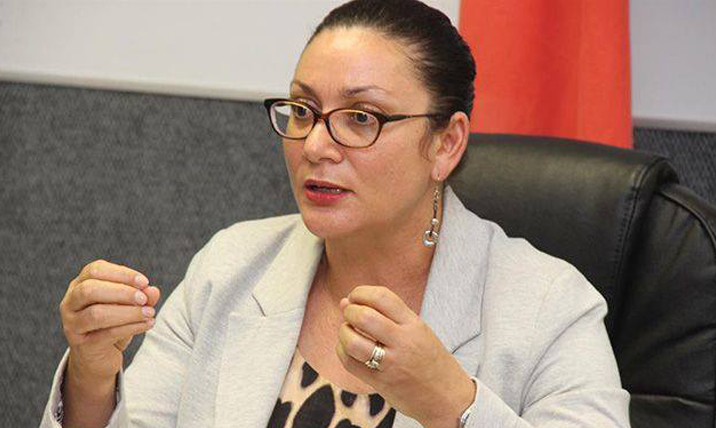
Namibia: Compulsory National Service Discussion Needs Public Input
Summary
- Namibia's Education Minister, Sanet Steenkamp, has emphasized the need for public consultation regarding potential compulsory national service for young Namibians.
- The Minister noted a growing national discussion about introducing mandatory service, particularly for school leavers.
- Her comments were made during a National Youth Service (NYS) event.
- The ongoing debate signals a significant policy consideration for the country's youth development strategies.
- Any future legislation would involve a comprehensive Namibian national service law with wide-ranging implications.
The Evolving Dialogue on National Service
The outcome of this Namibia compulsory national service discussion will undoubtedly have lasting effects on the nation's social and economic fabric.
Namibia's Education Minister, Sanet Steenkamp, recently underscored the critical need for extensive public engagement regarding the potential implementation of mandatory national service programs for the nation's youth. Her remarks highlight a burgeoning policy debate surrounding the introduction of such initiatives, particularly aimed at young individuals transitioning from their schooling years. This ongoing Namibia compulsory national service discussion signifies a significant policy consideration for the country's future.
Minister Steenkamp's assurance to the public that broad consultation is essential reflects the gravity of the proposed changes. She noted the increasing momentum of discussions concerning the possibility of compulsory national service, specifically targeting young people who are completing their secondary education. This statement was delivered during a National Youth Service (NYS) event, placing the conversation within the broader framework of youth development and engagement. The emphasis on consultation suggests a recognition of the wide-ranging implications such a program could have on young Namibians and society at large.
Context and Rationale for the Discussion
The "growing conversation" referenced by Minister Steenkamp points to a broader societal interest in structured programs for young adults. While the specifics of any proposed Namibian national service law remain under discussion, the very existence of this dialogue suggests a national introspection into how best to prepare school leavers for their roles in society. Such initiatives often aim to instill discipline, provide vocational training, and foster a sense of national unity, potentially addressing challenges like youth employment Namibia by equipping participants with new skills and experiences.
The setting of the Minister's announcement, a National Youth Service (NYS) event, is particularly pertinent. The National Youth Service Namibia already operates within the sphere of youth development, offering various programs. The current discussion, however, contemplates a more expansive and potentially mandatory framework, moving beyond voluntary participation. This shift from existing youth programs to a compulsory model represents a substantial policy pivot, necessitating careful consideration of its feasibility, funding, and societal acceptance. The ongoing Namibia compulsory national service discussion is therefore not just about a new program, but about a fundamental re-evaluation of youth engagement strategies.
Potential Implications and Legal Considerations
The prospect of compulsory youth service Namibia carries significant implications across various sectors, from education and employment to human rights and legal frameworks. Should such a policy be enacted, it would necessitate the development of a comprehensive Namibian national service law, outlining the duration, nature, and exemptions of service. This would involve intricate legal drafting to ensure compliance with constitutional rights and international labor standards. The impact on individuals leaving school would be profound, potentially altering their immediate post-education pathways and career trajectories.
Furthermore, the implementation of compulsory national service could reshape the landscape of youth employment Namibia, either by providing structured pathways into the workforce or by temporarily delaying entry into traditional employment sectors. The Education Minister's call for consultation is thus a crucial step in navigating these complex issues, ensuring that all stakeholders, including young people themselves, have a voice in shaping a policy that could define a generation. The outcome of this Namibia compulsory national service discussion will undoubtedly have lasting effects on the nation's social and economic fabric.
Practical Implications
Lawyers and compliance officers should monitor this ongoing policy discussion regarding compulsory national service in Namibia. Any future legislation stemming from these talks could introduce new obligations or rights impacting employment, education, or human rights law for their clients.
Source
How does this affect you?
Get an AI analysis of this article grounded in your jurisdictions, practice areas, and any policy documents you've uploaded to Wansom.
Finish Reading the Full Story and the Expert Analysis.
Get the latest legal & regulatory intelligence in Namibia
Wansom is AI and can make mistakes.