
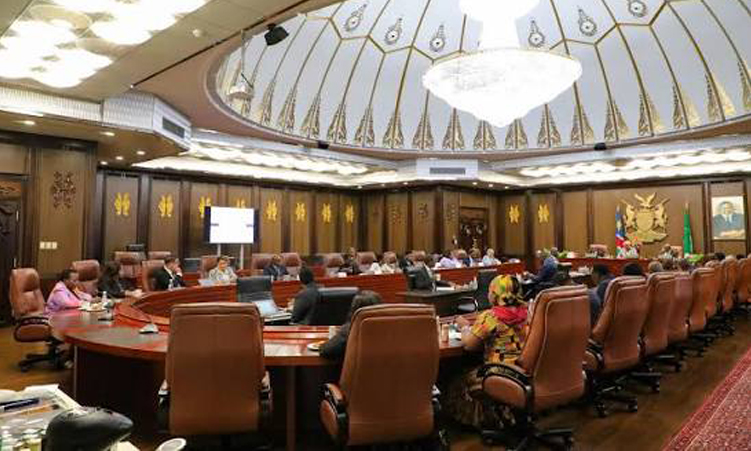
Namibia Cabinet Tender Decision Raises Governance Concerns
The Namibian Cabinet's decision to bypass established tender procedures for a N$40 million contract awarded to an American company, 6th Grain, raises serious concerns about public procurement integrity and governance. This move, which saw the Minister of Agriculture award the contract for advanced crop management technology without a competitive tender process, has been flagged as potentially leading to problematic consequences, including the possibility of politicians routinely circumventing tender requirements. The article implies that this action could undermine the principles of transparency and accountability in public spending.
This development carries significant legal and economic implications for Namibia. Bypassing tender processes can lead to a lack of transparency, unfair competition, inflated costs, and the potential for corruption, ultimately eroding public trust in government institutions and the fairness of the procurement system. It directly challenges the foundational principles of good governance, which demand that public funds be managed efficiently, ethically, and in the public interest. Such actions can deter legitimate businesses from participating in public tenders, distort market competition, and potentially lead to legal challenges from aggrieved parties who were denied the opportunity to bid.
The legal context for this situation is firmly rooted in Namibia's public procurement framework, primarily the Public Procurement Act (or similar legislation), which mandates competitive tendering for public contracts to ensure value for money, fairness, and transparency. Any deviation from these prescribed procedures must typically be justified by specific, legally defined exceptions, which are often narrowly construed. This case also touches upon administrative law principles concerning the lawful exercise of executive power and the potential for judicial review of decisions made by government bodies. Constitutional provisions related to accountability and the proper use of public resources are also highly relevant. The key parties involved are the Namibian Cabinet, the Minister of Agriculture, and the American company 6th Grain. The excerpt does not indicate any current legal proceedings or regulatory investigations.
For practising attorneys, this situation underscores the critical importance of adherence to public procurement laws and regulations. Attorneys advising businesses seeking public contracts should be acutely aware of the legal requirements for tendering and the potential for challenging contracts awarded outside of these procedures. This case highlights the need for vigilance against irregular procurement practices and the potential for legal action to uphold transparency and fairness. Furthermore, legal professionals involved in governance and administrative law should monitor how this decision is justified and whether it faces any legal scrutiny, as it could set a precedent for future procurement practices and impact the integrity of public contracting in Namibia. The outcome of any potential challenge or investigation into this decision is not reported in the excerpt.
How does this affect you?
Get an AI analysis of this article grounded in your jurisdictions, practice areas, and any policy documents you've uploaded to Wansom.
Wansom is AI and can make mistakes.