
Namibia ACC: Urges Media for Anti-Corruption Collaboration
Summary
- The Anti-Corruption Commission (ACC) urged Namibian media to enhance information gathering and collaborate more closely.
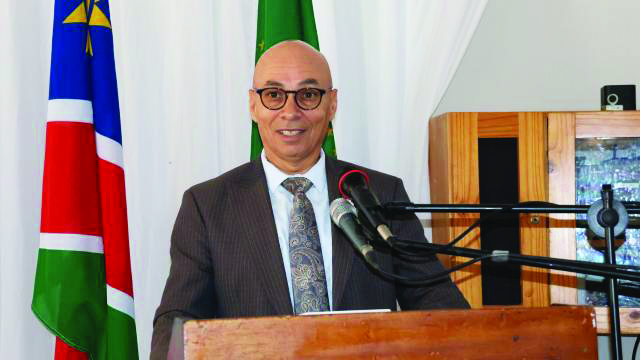
- ACC Director-General Bryan Eiseb made this appeal during an annual media meeting in Swakopmund on Tuesday.
- The collaboration aims to expose corruption, promote accountability, and ensure public assets benefit all Namibians.
- Eiseb highlighted journalists as crucial partners in fighting corruption.
- A lack of a formal policy framework for media collaboration was also noted by the Director-General.
ACC Calls for Enhanced Media Partnership
The emphasis on a strengthened Namibia ACC media anti-corruption collaboration highlights the commission's recognition of the press as an indispensable ally in its mandate.
The Anti-Corruption Commission (ACC) in Namibia has issued a direct appeal to media organizations, urging them to intensify their efforts in information gathering and to foster closer collaboration with the commission. This call to action is part of a broader strategy aimed at bringing corrupt practices to light, promoting greater accountability across various sectors, and ultimately safeguarding public assets to ensure they serve the interests of all Namibian citizens.
Bryan Eiseb, the Director-General of the ACC, articulated this crucial request during the commission's annual engagement with media representatives. The meeting, held in Swakopmund on Tuesday, served as a platform to underscore the vital role that a robust and engaged media plays in the national fight against corruption. The emphasis on a strengthened Namibia ACC media anti-corruption collaboration highlights the commission's recognition of the press as an indispensable ally in its mandate.
Strategic Importance of Media in Anti-Corruption Efforts
Director-General Bryan Eiseb explicitly recognized journalists as fundamental partners in the ongoing battle against corruption. He emphasized that the media's capacity for in-depth investigation and public dissemination of information is critical for the ACC's enforcement strategy. This perspective positions the media not merely as observers, but as active participants whose work directly contributes to the transparency and integrity of public life in Namibia.
Despite acknowledging the significant contributions of the press, Eiseb also pointed out a notable gap: the absence of a formal policy framework governing this crucial collaboration. This observation suggests a potential area for future development, where structured guidelines could further enhance the effectiveness of the Anti-Corruption Commission Namibia media partnership, ensuring consistent and impactful efforts in the fight against illicit activities and the misuse of public resources.
Implications for Transparency and Public Assets
The ACC's overt call for media collaboration signals a heightened focus on public exposure as a key tool in its anti-corruption arsenal. This approach is designed to foster greater Namibia transparency regarding public assets, ensuring that resources intended for the collective benefit of the nation are not diverted or misused. By working hand-in-hand with the media, the ACC aims to create an environment where corrupt acts are more likely to be uncovered and perpetrators held responsible, thereby reinforcing public trust in institutions.
This initiative underscores the critical media role anti-corruption Namibia, transforming journalists into frontline agents in the pursuit of good governance. The objective is not only to detect and prosecute corruption but also to deter it by increasing the perceived risk for those contemplating illicit activities. The commitment to ensuring that public assets are utilized for the benefit of all Namibians remains a central tenet of the ACC's mission, with media partnership seen as an essential mechanism for achieving this overarching goal.
Practical Implications
Lawyers and compliance officers in Namibia should note the Anti-Corruption Commission's explicit call for media collaboration, indicating a heightened focus on public exposure of corrupt practices. This signals an increased risk of investigations and public scrutiny for entities involved in or suspected of corruption, particularly concerning public assets. Clients should be advised to reinforce their anti-corruption compliance frameworks and ensure transparency in their operations to mitigate potential legal and reputational risks.
Source
How does this affect you?
Get an AI analysis of this article grounded in your jurisdictions, practice areas, and any policy documents you've uploaded to Wansom.
Finish Reading the Full Story and the Expert Analysis.
Get the latest legal & regulatory intelligence in Namibia
Wansom is AI and can make mistakes.