
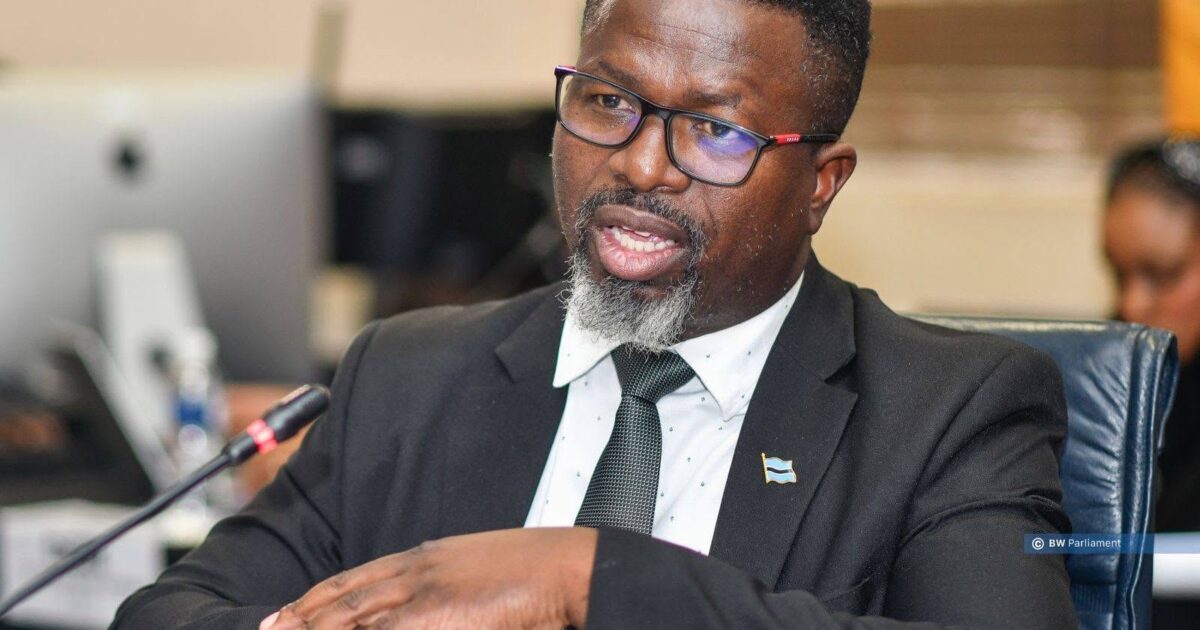
NALCGPWU Demands DPP Ngakaagae Cease Public Statements on P450M Theft
Summary
- The National Amalgamated Local Central and Parastatal Workers Union (NALCGPWU) has demanded that DPP Kgosiitsile Ngakaagae cease public statements.
- NALCGPWU accuses Ngakaagae of tarnishing trade union leaders' reputations through "sweeping allegations."
- These public pronouncements relate to an alleged P450 million pension theft.
- The union warns that the Director of Public Prosecutions' "media frenzy" unfairly damages leaders' reputations.
- NALCGPWU's action highlights concerns over Botswana legal ethics prosecution and due process.
Union's Stance
The union's intervention strongly suggests a perception that the DPP's actions may be exceeding ethical boundaries by making public statements that could undermine the fundamental presumption of innocence and inflict irreparable reputational harm.
The National Amalgamated Local Central and Parastatal Workers Union (NALCGPWU) has launched a significant challenge against Kgosiitsile Ngakaagae, the Director of Public Prosecutions (DPP), demanding that he immediately cease making public statements regarding an alleged P450 million pension theft. The union's "stinging attack" accuses DPP Ngakaagae of tarnishing the reputations of trade union leaders through what they describe as "sweeping allegations" made in public forums. This direct intervention by NALCGPWU underscores a deep concern about the impact of prosecutorial conduct on individuals' public image.
NALCGPWU's strong stance highlights a critical tension between the public's right to information and the protection of individuals' reputations during ongoing investigations. The union asserts that the DPP's "media frenzy" is creating an unfair perception of guilt among leaders even before any formal legal proceedings have commenced. This approach, according to NALCGPWU, undermines fundamental principles of fairness and due process, prompting their call for a more restrained and ethically sound approach to public communication from the Director of Public Prosecutions in Botswana.
The Allegations and the DPP's Role
The core of this dispute revolves around serious allegations concerning a substantial P450 million pension theft. While the investigation into these claims is ongoing, the manner in which the Director of Public Prosecutions, Kgosiitsile Ngakaagae, has chosen to communicate about them publicly has become a major point of contention. The National Amalgamated Local Central and Parastatal Workers Union argues that Ngakaagae's public pronouncements extend beyond mere updates, instead constituting "sweeping allegations" that unfairly target and damage the standing of trade union officials.
The union's criticism is rooted in the belief that such public statements by a high-ranking legal official could unduly influence public opinion and potentially compromise the impartiality of any future legal proceedings. They contend that the primary role of the DPP should be to pursue prosecution through established legal channels, rather than engaging in media discussions that might be perceived as an attempt to sway public sentiment prior to formal charges being laid. This situation raises important questions about the appropriate boundaries for public communication by prosecuting authorities within the legal framework of Botswana.
Reputational Harm and Legal Ethics
The central concern driving NALCGPWU's demand is the significant and potentially irreversible damage to the reputations of trade union leaders. The union explicitly states that the public pronouncements by DPP Ngakaagae are unfairly tarnishing these individuals, effectively creating a scenario where they are deemed guilty in the public sphere before any legal determination has been made. This pre-judgment, as articulated by NALCGPWU, carries severe consequences for the personal integrity and professional standing of those potentially implicated in the alleged P450 million pension theft.
This unfolding situation brings into sharp focus critical aspects of Botswana legal ethics prosecution, particularly regarding the professional conduct expected from senior legal officials such as the Director of Public Prosecutions. The union's intervention strongly suggests a perception that the DPP's actions may be exceeding ethical boundaries by making public statements that could undermine the fundamental presumption of innocence and inflict irreparable reputational harm. The call for Kgosiitsile Ngakaagae to abandon his "media frenzy" serves as a direct appeal for strict adherence to ethical principles that are designed to safeguard individual reputations throughout the investigative and prosecutorial processes.
Practical Implications
Lawyers representing individuals or entities under investigation should note the tension between prosecutorial transparency and the protection of reputations. Public statements by the DPP before formal charges could influence public perception and potentially form grounds for legal challenge regarding due process or reputational harm, requiring careful monitoring and strategic response.
Source
How does this affect you?
Get an AI analysis of this article grounded in your jurisdictions, practice areas, and any policy documents you've uploaded to Wansom.
Finish Reading the Full Story and the Expert Analysis.
Get the latest legal & regulatory intelligence in Botswana
Wansom is AI and can make mistakes.