
Nairobi City Hall: Eastleigh Building Approval Forgery Confirmed
Summary
- An 18-storey building collapse in Nairobi's Eastleigh killed eight people and injured several others on October 23.
- City Hall never approved the Eastleigh building's architectural or structural plans, and documents presented to the NCA for county approval were forged.
- The developer, John Mutie Musyoki, only had approval to change the property's use, not for construction, and subsequent applications were rejected for various reasons.
- In South C, residents allege the 15-storey Bridge Port Apartments, approved for 10 floors, sustained structural damage from a neighboring building collapse in January 2026 that killed two people.
- Regulatory bodies including the NCA, county governments, EBK, and NEMA face scrutiny for alleged negligence and weak enforcement of building standards.
A Crisis of Construction Integrity
The Nairobi building approval forgery in Eastleigh highlights a severe lapse in the regulatory chain.
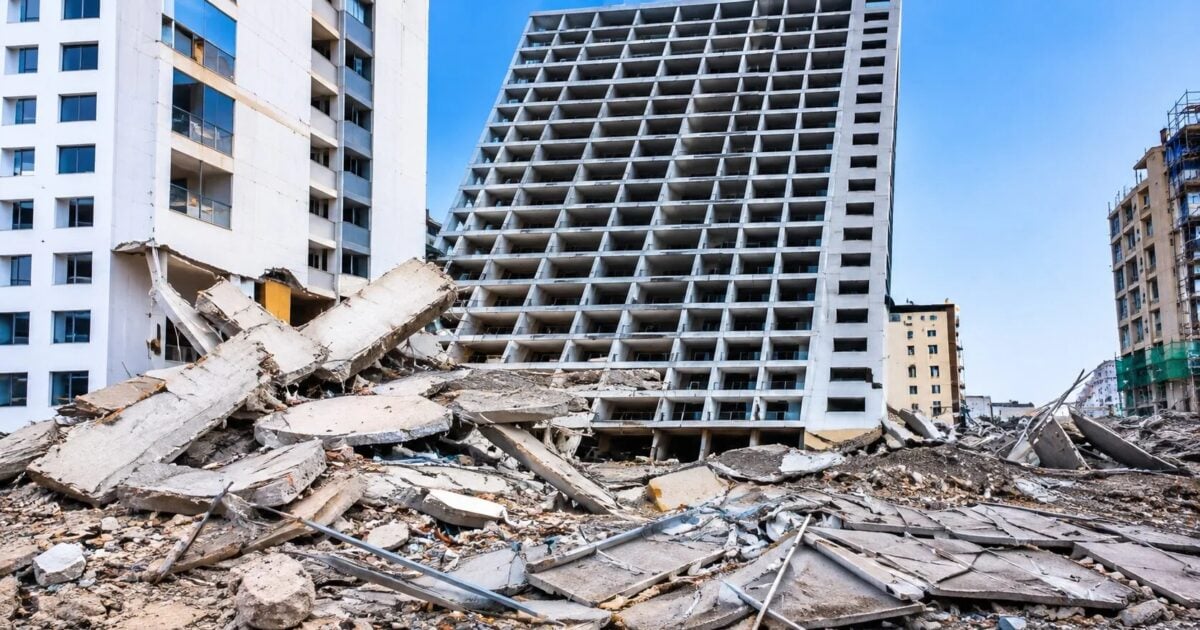
The recent collapse of an 18-storey building in Nairobi's Eastleigh neighborhood, which tragically claimed eight lives and injured several others on October 23, has brought to light significant vulnerabilities within the city's development approval framework. This incident, occurring along Ninth Street, has exposed a troubling pattern of regulatory oversight failures and the alleged use of fraudulent documentation in construction projects. The revelations extend beyond Eastleigh, drawing attention to ongoing safety concerns surrounding the 15-storey Bridge Port Apartments in South C, where residents fear a similar catastrophe.
These events collectively underscore a critical breakdown in Kenya's construction regulation, prompting intense scrutiny of key oversight bodies. The National Construction Authority (NCA), various county governments, the Engineers Board of Kenya (EBK), and the National Environment Management Authority (NEMA) are all facing accusations of regulatory negligence, insufficient inspections, and a failure to uphold established building standards. This systemic weakness jeopardizes the safety of property buyers and occupants across the capital.
Unapproved Construction and Document Forgery in Eastleigh
Investigations into the Eastleigh collapse have revealed that City Hall never granted approval for the architectural or structural plans of the ill-fated building. Fredrick Ochanda, Assistant Director for Development Control, testified before the Nairobi County Assembly’s Urban Planning Committee, confirming that developer John Mutie Musyoki had only secured permission to alter the property's use from private residential to a commercial and residential development, but crucially, not for the construction itself. An initial application for a basement and 15 floors, submitted by architect Emmanuel Mwangi Maina on November 25, 2024, was unsuccessful due to an unpaid Sh2 million invoice.
A subsequent application, filed on November 14, 2025, saw the payment of a Sh1.1 million invoice but still failed to gain approval. This rejection stemmed from issues including inadequate parking provisions, proposed basement shops, and a lack of necessary clearance from the Kenya Civil Aviation Authority. Ochanda explicitly stated that "As of now, there is no application that has been approved" for the structure. Furthermore, he disclosed that documents presented to the NCA, purportedly showing county approval, were in fact forgeries, emphasizing that "the letters in question did not originate from us. They were forgeries." Despite these irregularities, the NCA had registered the project, identified as "9th Street Plaza Limite," on July 30, 2025, under registration number 53128815710410. The Nairobi building approval forgery in Eastleigh highlights a severe lapse in the regulatory chain.
South C Residents Demand Action
In South C, residents are urgently seeking intervention regarding the 15-storey Bridge Port Apartments, which stands adjacent to a 16-storey building on Muhoho Avenue that collapsed in January 2026, resulting in two fatalities. The South C Residents Association has raised serious allegations, claiming that Bridge Port Apartments, owned by Kenneth Nyachae, brother of former East Africa Court of Justice judge Charles Nyachae, was initially approved for only 10 floors. More critically, they contend that the structural pillars of the 15-storey building sustained damage during the collapse of its neighbor.
On May 11, 2026, the residents formally wrote to Lands Cabinet Secretary Alice Wahome, demanding the release of an investigation report and an independent structural assessment to ascertain the building's safety for occupation. Their letter also called for either a public safety certificate or appropriate enforcement measures, warning of potential danger to occupants if the alleged structural damage remains unaddressed. Despite these appeals, residents report that no action has been taken to date.
Systemic Failures and Calls for Accountability
The chairman of the South C Residents Association, Abdi Karim Hassan, has publicly demanded that the Cabinet Secretary release the multi-agency inquiry report concerning the collapse of Plot 68/1306. He also sought an update on the status of Bridge Port Apartments and insisted on either a public safety certification or a demolition order for the adjacent 15-storey structure. Hassan's statement underscored the gravity of the situation, noting, "This building was approved for 10 floors but stands at 15, with documented structural damage to its pillars."
These ongoing concerns, exacerbated by the Eastleigh tragedy, paint a grim picture of Kenya’s construction sector. The growing trail of deadly building collapses points to profound systemic failures within regulatory bodies. The alleged negligence, weak inspection protocols, and inability to enforce established building standards by authorities like the NCA, county governments, EBK, and NEMA continue to expose the public to unacceptable risks, necessitating immediate and comprehensive reforms.
Source
How does this affect you?
Get an AI analysis of this article grounded in your jurisdictions, practice areas, and any policy documents you've uploaded to Wansom.
Finish Reading the Full Story and the Expert Analysis.
Get the latest legal & regulatory intelligence in Kenya
Wansom is AI and can make mistakes.