
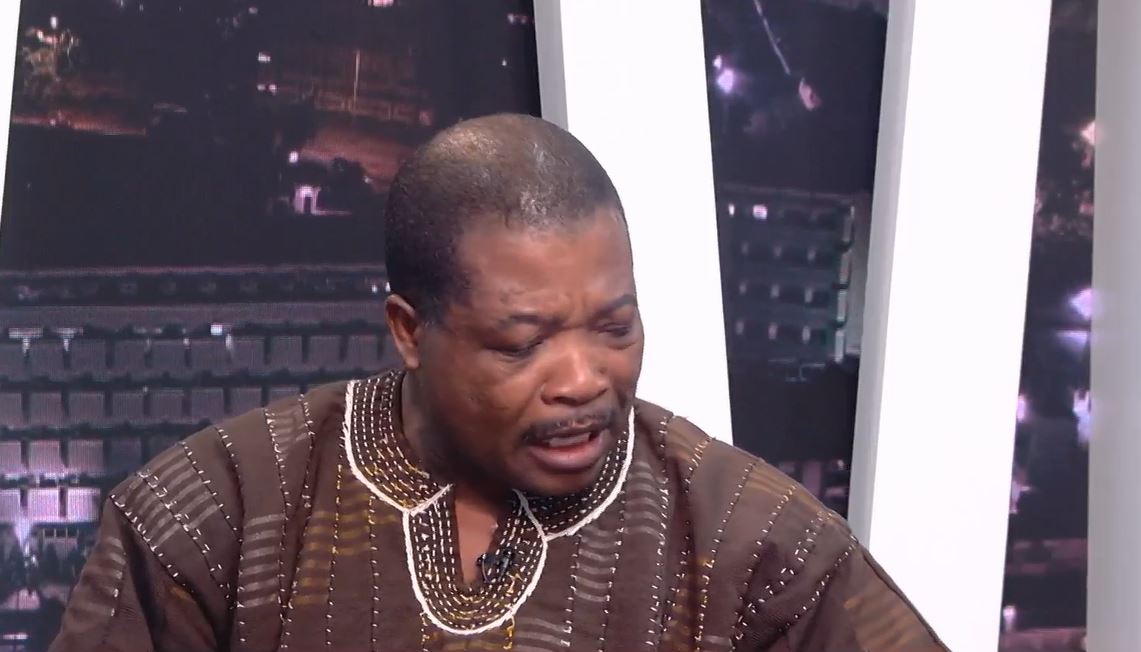
NAGRAT: Demands Signed Timelines Before Ending Ghana Strike
Summary
- The National Association of Graduate Teachers (NAGRAT) will not end its strike until the government provides concrete, signed timelines for resolving outstanding issues.
- Key demands include formalizing the NAGRAT collective agreement, ensuring promotion-related payments, and implementing the Deprived Area Allowance Ghana.
- While the government proposed October 6 for Collective Agreement talks and January 2027 for Deprived Area Allowance payments, NAGRAT insists these must be documented and signed.
- NAGRAT President Jacob Anaba emphasized the need for binding, written commitments to ensure accountability for teacher promotion payments Ghana.
The Ongoing Teacher Strike in Ghana
The central tenet of NAGRAT's current position is the absolute necessity for signed timelines Ghana, transforming verbal proposals into legally enforceable commitments.
The National Association of Graduate Teachers (NAGRAT) has declared its firm stance against calling off the current indefinite strike by pre-tertiary teacher unions in Ghana. The union asserts that it will not instruct its members to return to classrooms until the government provides concrete and legally binding timelines for addressing a range of outstanding concerns. This position, articulated by NAGRAT President Jacob Anaba, underscores a demand for formal, documented commitments from the government before any cessation of industrial action.
Mr. Anaba emphasized that the government's pledges regarding the Collective Agreement, various promotion-related payments, and the Deprived Area Allowance must be formally documented and signed. This insistence on written assurances highlights a critical point of contention in the ongoing dispute. While a recent meeting with the Education Ministry did yield proposed timelines for resolving these issues, the unions have yet to engage in further discussions on these specific proposals, indicating a lack of full agreement on the path forward.
Core Demands and Negotiation Sticking Points
At the heart of the dispute are three primary areas of concern for the National Association of Graduate Teachers: the finalization of the Collective Agreement, the processing of promotion-related payments, and the implementation of the Deprived Area Allowance Ghana. During recent discussions, the government put forward October 6 as the proposed date for commencing negotiations on the Collective Agreement. Additionally, it indicated that payments for the Deprived Area Allowance would begin in January 2027, and the immediate processing of promotion-related payments was also acknowledged as an issue requiring attention.
However, NAGRAT views these proposed dates as insufficient without formal backing. Jacob Anaba, the union's president, stressed that the October 6 timeline for the Collective Agreement negotiations is merely a start date, and the process itself is expected to be protracted. The union is therefore seeking clear start and end dates, formally documented, to ensure a structured resolution. For promotion-related payments, NAGRAT demands tangible financial commitment, specifically the actual disbursement of funds into the accounts of qualified teachers. While the January 2027 start date for the Deprived Area Allowance is welcomed, the union insists that this commitment must also be formally documented and signed by both parties to create a binding agreement.
The Imperative for Signed Agreements
The central tenet of NAGRAT's current position is the absolute necessity for signed timelines Ghana, transforming verbal proposals into legally enforceable commitments. This demand stems from a desire to prevent future ambiguities and ensure accountability in the resolution of long-standing issues affecting teachers. Mr. Anaba clarified that the issues raised by NAGRAT were not formally tabled during the recent meeting because the government primarily presented its proposed timelines, rather than engaging in a detailed negotiation of the union's specific demands.
This emphasis on formal documentation and signed agreements sets a significant precedent for future labor relations within Ghana's public sector, particularly for educational institutions. It underscores the National Association of Graduate Teachers Ghana's commitment to securing concrete assurances for its members, moving beyond verbal promises to binding contractual obligations. The ongoing Ghana teacher union strike will persist until these conditions are met, highlighting the critical role of clear, written commitments in resolving industrial disputes and ensuring the welfare of educators.
Practical Implications
Lawyers advising public sector entities or educational institutions in Ghana should note the emphasis on formal, signed agreements to resolve labor disputes, setting a precedent for future union negotiations and strike resolutions. This highlights the critical need for clear, documented commitments in collective bargaining to prevent prolonged industrial action.
Source
How does this affect you?
Get an AI analysis of this article grounded in your jurisdictions, practice areas, and any policy documents you've uploaded to Wansom.
Finish Reading the Full Story and the Expert Analysis.
Get the latest legal & regulatory intelligence in Ghana
Wansom is AI and can make mistakes.