
Ghana Education Ministry: Calls For Sustained Teacher Impasse Data Talks
Summary
- Ghana's Ministry of Education has called for structured, data-driven negotiations to resolve an ongoing teacher impasse and facilitate educators' return to classrooms.
- Education Minister Haruna Iddrisu is meeting with leaders from GNAT, NAGRAT, and PRETAG to address concerns and find a resolution.
- The Ministry emphasizes that detailed data examination, particularly for allowances like those for rural areas, is crucial to ensure accurate payments and prevent inaccuracies.
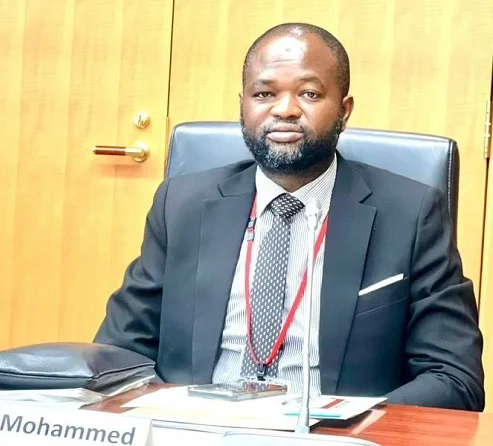
- Press Secretary Hashmin Mohammed stated the dispute is an inherited issue, requiring sustained dialogue and proper data disaggregation to avoid "ghost names."
- The objective is to establish quality engagement leading to a resolution, potentially setting new precedents for data-driven dispute resolution in Ghana's public sector.
Current Standoff and Ministerial Call
The strong emphasis on data integrity is also designed to prevent inaccuracies in payment processes and beneficiary records, a critical concern within Ghana public sector employment terms.
The Ministry of Education in Ghana has issued a call for sustained and more structured engagement with the nation's pre-tertiary teacher unions. This appeal comes amidst intensified efforts to resolve an ongoing labor dispute and facilitate the prompt return of educators to classrooms. Hashmin Mohammed, Press Secretary for the Education Ministry, speaking on Joy FM’s Top Story on Monday, underscored the necessity of continued dialogue among all relevant stakeholders, characterizing the current impasse as an issue inherited by the present government administration.
Education Minister Haruna Iddrisu is actively engaged in discussions with the leadership of Ghana’s three principal pre-tertiary teacher unions: the Ghana National Association of Teachers (GNAT), the National Association of Graduate Teachers (NAGRAT), and the Pre-Tertiary Teachers Association of Ghana (PRETAG). These crucial meetings, taking place at the Ministry of Education, form a central part of the broader strategy to address the underlying concerns that have led to the current disagreement and to achieve a comprehensive resolution.
Mr. Mohammed further elaborated that the Ministry, in collaboration with other pertinent agencies, has already initiated negotiations on these matters. He stressed the critical importance of all parties approaching these discussions with a clear and thorough understanding of the issues at hand. The current series of engagements is viewed as a vital opportunity for stakeholders to meticulously examine their respective concerns and collaboratively work towards a shared understanding, paving the way for a resolution that will enable teachers to resume their duties.
The Data Imperative in Ghana Education Ministry Teacher Impasse Data Talks
A key element emphasized in the ongoing Ghana Education Ministry teacher impasse data talks is the indispensable role of accurate and disaggregated data. Mr. Mohammed highlighted that many of the issues under consideration demand a detailed examination of relevant data before any definitive decisions can be made. He cited the demands related to rural and deprived-area allowances as a prime example, explaining that determining the appropriate beneficiaries for such provisions requires more than a simple identification of teachers working in rural locations.
To ensure fairness and precision in the administration of these allowances, the relevant authorities, including the Ministry or the Controller, must possess the capability to accurately identify and disaggregate data. This process is crucial for establishing precisely which teachers qualify for specific allowances, moving beyond broad geographical classifications. The objective is to pinpoint the exact individuals who will be affected and are eligible, rather than assuming all teachers in a particular area automatically qualify.
The strong emphasis on data integrity is also designed to prevent inaccuracies in payment processes and beneficiary records, a critical concern within Ghana public sector employment terms. Mr. Mohammed explicitly stated the necessity for all parties to convene, meticulously review the available information, and ensure that the data is properly disaggregated before any implementation takes place. This rigorous approach aims to eliminate discrepancies and prevent the inclusion of "ghost names" in payment systems, thereby bolstering the financial integrity of the Ghana education sector labor dispute resolution.
Towards Resolution and Future Precedents
The overarching objective of these intensive Ghana teacher union negotiations is to foster a high-quality engagement process capable of yielding a resolution that facilitates the teachers' return to the classroom. Mr. Mohammed affirmed that where adequate engagement had been lacking previously, the Education Minister has now actively created a clear pathway for more robust discussions between the government and teacher representatives. This commitment to sustained dialogue is seen as fundamental to overcoming the long-standing challenges.
The Ministry's proactive stance in advocating for data-driven negotiations signals a potentially significant shift in how public sector labor disputes, particularly those involving allowances and employment terms, are approached within Ghana. The meticulous examination and disaggregation of data, as championed by the Ministry, could set new precedents for transparency and accountability in future collective bargaining agreements and audit requirements across the public sector. The GNAT NAGRAT PRETAG dispute resolution efforts are thus not merely about the current impasse but also about establishing a more robust framework for future interactions.
This strategic focus on verifiable data underscores a broader commitment to ensuring that public funds are allocated accurately and efficiently, directly impacting the financial integrity of the education sector. The outcome of these discussions, therefore, holds implications not only for the immediate resolution of the teacher impasse but also for the evolution of Ghana public sector employment terms and the methodology for resolving similar disputes in the future.
Practical Implications
Lawyers advising public sector entities, educational institutions, or labor unions in Ghana should monitor the outcome of these data-driven negotiations. They may establish new precedents for resolving public sector labor disputes, particularly concerning the administration of allowances and the critical role of accurate data for compliance and financial integrity, potentially impacting future collective bargaining agreements or audit requirements.
Source
How does this affect you?
Get an AI analysis of this article grounded in your jurisdictions, practice areas, and any policy documents you've uploaded to Wansom.
Finish Reading the Full Story and the Expert Analysis.
Get the latest legal & regulatory intelligence in Ghana
Wansom is AI and can make mistakes.