
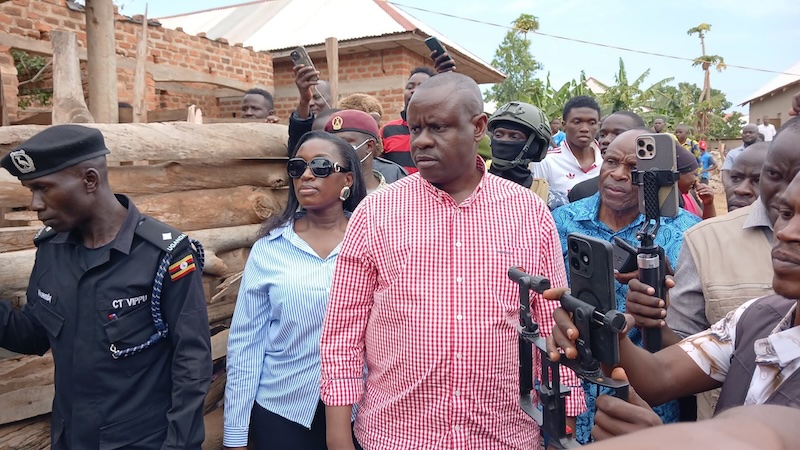
Museveni Backs Balaam Nameere Anti-Corruption Uganda Inspections
Summary
- President Yoweri Museveni has publicly defended anti-corruption inspection tours led by ministers Balaam Barugahara and Justine Nameere.
- The President dismissed concerns that the ministers were blindly searching for wrongdoing.
- Museveni stated these inspections are a direct response to longstanding citizen complaints about corruption.
- Citizen complaints include alleged theft in government programs and the sale of local government jobs.
Presidential Endorsement for Anti-Graft Efforts
This development is a clear message that accountability will be pursued vigorously, marking a pivotal moment in the nation's fight against corruption and potentially leading to more widespread investigations and prosecutions.
President Yoweri Museveni has publicly affirmed his unwavering support for the ongoing anti-corruption inspection tours currently being conducted across Uganda. These significant initiatives are spearheaded by Local Government ministers Balaam Barugahara and Justine Nameere, who are actively scrutinizing various public administration operations and local government entities. The President's explicit backing serves to legitimize these efforts, particularly the work of Balaam Barugahara anti-corruption and Justine Nameere anti-corruption initiatives, and reinforces the government's steadfast commitment to combating graft at all levels.
In his recent remarks, President Museveni directly addressed and dismissed criticisms that suggested the ministers might be conducting these inspections without clear targets or merely seeking out infractions indiscriminately. This presidential intervention clarifies the legitimate purpose and strategic intent behind the ministers' activities, emphasizing that their work is not a blind search for wrongdoing but a targeted response to specific, well-documented issues. The robust defense from the nation's leader highlights the seriousness with which these Uganda anti-corruption inspections are being undertaken, signaling a period of intensified scrutiny for public officials.
Addressing Deep-Seated Corruption Allegations
According to President Museveni, these rigorous inspections are a direct and necessary response to a persistent influx of grievances from the populace. For an extended period, citizens have consistently lodged longstanding complaints about various forms of corruption plaguing public services and local governance structures throughout the country. This ongoing stream of public outcry, detailing specific instances of malfeasance, forms the foundational justification for the current anti-graft drive championed by the government.
The specific allegations prompting this intensified action include the purported embezzlement of funds allocated to critical government programs, which are designed to benefit the public. Such alleged theft directly impacts public service delivery, diverts essential resources, and ultimately undermines national development efforts. Furthermore, the complaints detail the alleged illicit practice of selling positions within local government structures, indicating deep-seated issues of Uganda local government corruption. These systemic problems underscore the necessity of the proactive measures being implemented by ministers Balaam Barugahara and Justine Nameere to restore integrity.
Implications of the Presidential Backing and Future Scrutiny
The unequivocal support from President Museveni for the anti-corruption efforts led by Balaam Barugahara and Justine Nameere signals a heightened enforcement environment across Uganda. This presidential endorsement, particularly in the face of public skepticism regarding the ministers' methods, reinforces the Museveni government anti-graft stance and its determination to tackle corruption head-on. The President's defense of these ministers underscores a strategic move to empower those on the front lines of the anti-corruption battle, ensuring their authority is not undermined.
This firm stance by President Museveni indicates that the government is not only acknowledging but actively responding to citizen concerns regarding malfeasance in public office. The ongoing Uganda anti-corruption inspections, now with explicit presidential approval, are poised to bring significant scrutiny to local government operations and the management of public funds. This development is a clear message that accountability will be pursued vigorously, marking a pivotal moment in the nation's fight against corruption and potentially leading to more widespread investigations and prosecutions. The President's backing of Balaam Nameere anti-corruption Uganda efforts is a strong indicator of future enforcement trends.
Practical Implications
The President's endorsement of these anti-corruption inspections signals a heightened enforcement environment, particularly concerning local government operations and public funds. Lawyers advising clients involved in government contracts, public service, or local administration in Uganda should anticipate increased scrutiny and potential investigations, necessitating a review of compliance protocols and risk exposure related to corruption allegations.
Source
How does this affect you?
Get an AI analysis of this article grounded in your jurisdictions, practice areas, and any policy documents you've uploaded to Wansom.
Wansom is AI and can make mistakes.