
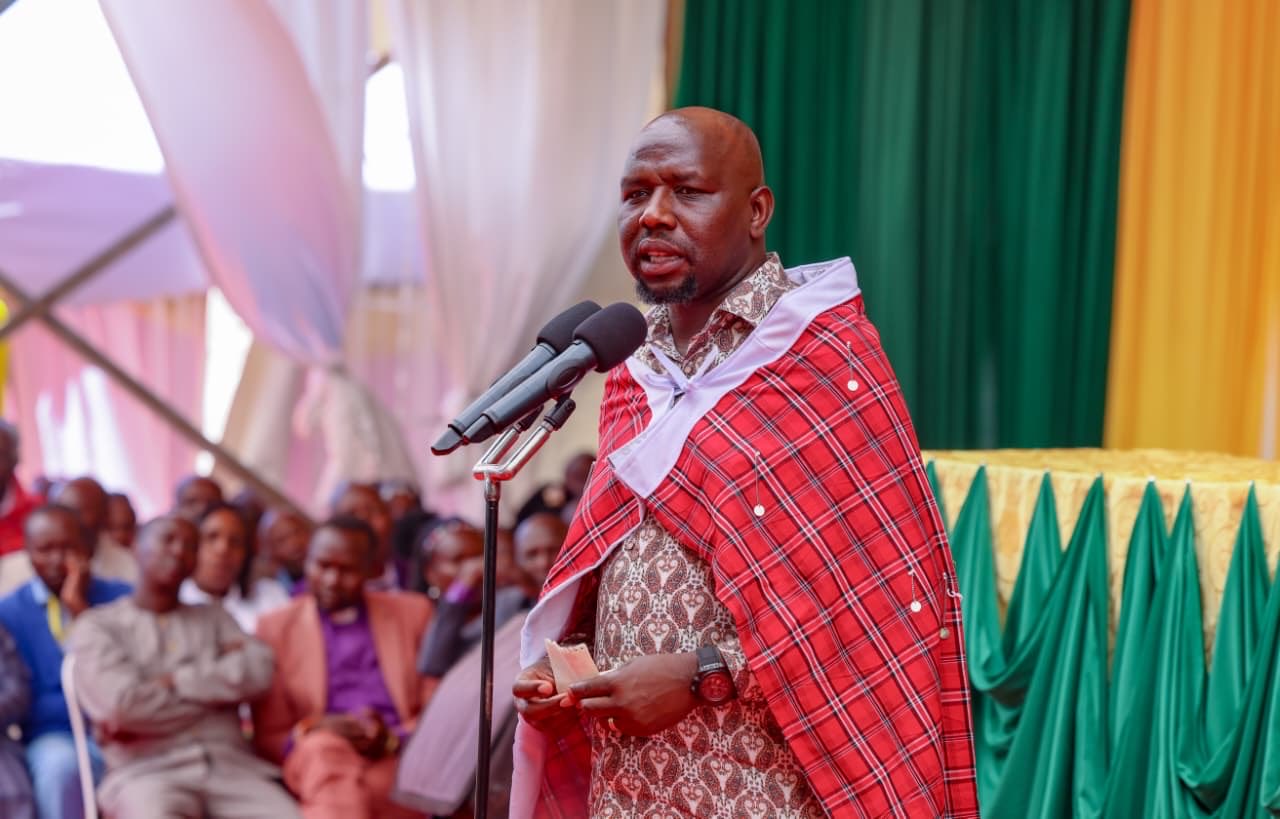
Murkomen: Warns Against 2027 Election Law Changes in Kenya
Summary
- Interior Cabinet Secretary Kipchumba Murkomen warned against changing election laws before the 2027 general elections.
- He rejected opposition demands, including reviewing the presidential results tallying process and moving the national tallying center to Bomas of Kenya.
- Murkomen assured the Independent Electoral and Boundaries Commission (IEBC) of adequate government security to protect electoral officials.
- He cautioned politicians against divisive politics and incitement, threatening legal action for those found engaging in such conduct.
- These statements were made during a church service in Gilgil, Nakuru County, where he was accompanied by Defence CS Soipan Tuya.
Government's Stance on Electoral Reforms
Interior Cabinet Secretary Kipchumba Murkomen has issued a stern warning against any attempts to modify Kenya's election laws in anticipation of the 2027 general elections, signaling a firm governmental stance on maintaining the current electoral framework.
Interior Cabinet Secretary Kipchumba Murkomen has issued a stern warning against any attempts to modify Kenya's election laws in anticipation of the 2027 general elections, signaling a firm governmental stance on maintaining the current electoral framework. Speaking at an interdenominational church service held at Oljorai Grounds in Gilgil, Nakuru County, Murkomen explicitly cautioned political actors against interfering with the established electoral process. His remarks underscore a commitment to legal stability regarding the upcoming polls, directly addressing the target keyword phrase "Murkomen warns 2027 election law changes."
Murkomen emphasized that the electoral process would proceed according to existing statutes, stating unequivocally that votes would be counted, and the outcomes respected, without any alterations to the legal provisions governing elections. He asserted that adherence to the current law is paramount for the nation's stability, urging all Kenyans to comply. This declaration provides a clear signal to lawyers advising political parties and candidates that the government intends to resist any significant changes to the electoral rulebook, suggesting a period of predictability in the legal landscape for the 2027 elections.
Opposition's Demands and Government Rejection
These pronouncements from the Interior Cabinet Secretary come amidst persistent calls from opposition factions for substantial changes to how the 2027 elections will be managed. Specifically, the opposition, operating under the banner of the People’s Coalition on Electoral Reforms, has advocated for a review of the presidential results tallying process. Their proposals include a demand for the national presidential tallying center to be situated at Bomas of Kenya, alongside an argument that results declared at constituency tallying centers should be considered final.
Despite these demands, Murkomen's statements firmly reject such proposed "Kipchumba Murkomen electoral reforms," indicating that the government will not yield to pressure for legislative amendments. The government's position, as articulated by Murkomen, suggests that the framework for the 2027 polls will largely mirror that of previous elections, particularly concerning the critical aspects of vote tabulation and declaration. This firm stance by the government against the "People’s Coalition Electoral Reforms Kenya" highlights a potential point of contention leading up to the next election cycle.
Security and Conduct for the Upcoming Polls
Beyond the legislative framework, Interior Cabinet Secretary Murkomen also addressed critical issues of security and political conduct leading up to the 2027 elections. He provided an assurance to the Independent Electoral and Boundaries Commission (IEBC) that the government would deploy adequate security resources. This commitment aims to guarantee that electoral officials can perform their duties without facing intimidation, a crucial factor for the integrity of the electoral process and directly addressing "IEBC security 2027 elections."
Furthermore, Murkomen issued a stark warning to politicians regarding divisive rhetoric and incitement. He explicitly stated that any political figure found engaging in such conduct would face legal repercussions, including arrest and prosecution. This strong admonition against "Kenya political incitement legal action" signals a heightened enforcement risk for clients involved in political campaigning, necessitating careful legal counsel on public statements and messaging to avoid potential criminal charges. In a tangible demonstration of security enhancement, Murkomen, accompanied by Defence CS Soipan Tuya, also handed over a new police vehicle to Munanda Police Station, fulfilling a prior commitment and reinforcing local security operations.
Implications for Kenya's Electoral Framework
The government's unwavering position, as articulated by Interior Cabinet Secretary Kipchumba Murkomen, carries significant implications for the "Kenya 2027 election laws stability" and the broader political landscape. By firmly stating that no changes will be made to the existing electoral laws, the administration aims to project an image of predictability and adherence to established legal norms. This approach suggests that the government prioritizes continuity over reform, at least concerning the foundational legal aspects of the electoral process.
For political parties, candidates, and electoral stakeholders, this signals a likely period of legal stability in the electoral framework, meaning that the rules of engagement for 2027 are largely set. Lawyers advising these entities should therefore focus on understanding and navigating the current legal provisions rather than anticipating significant legislative shifts. Concurrently, the explicit warning against divisive politics and incitement underscores a heightened enforcement risk for any conduct perceived as undermining national cohesion, requiring meticulous attention to campaign messaging and public discourse to mitigate legal exposure.
Practical Implications
Lawyers advising political parties, candidates, or electoral stakeholders should note the government's firm stance against altering existing election laws ahead of 2027, indicating a likely period of legal stability in the electoral framework. Additionally, the explicit warning against divisive politics and incitement signals a heightened enforcement risk for clients engaging in such conduct, requiring careful counsel on campaign messaging and public statements.
Source
Source: Based on recent local reporting.
How does this affect you?
Get an AI analysis of this article grounded in your jurisdictions, practice areas, and any policy documents you've uploaded to Wansom.
Finish Reading the Full Story and the Expert Analysis.
Get the latest legal & regulatory intelligence in Kenya
Wansom is AI and can make mistakes.