
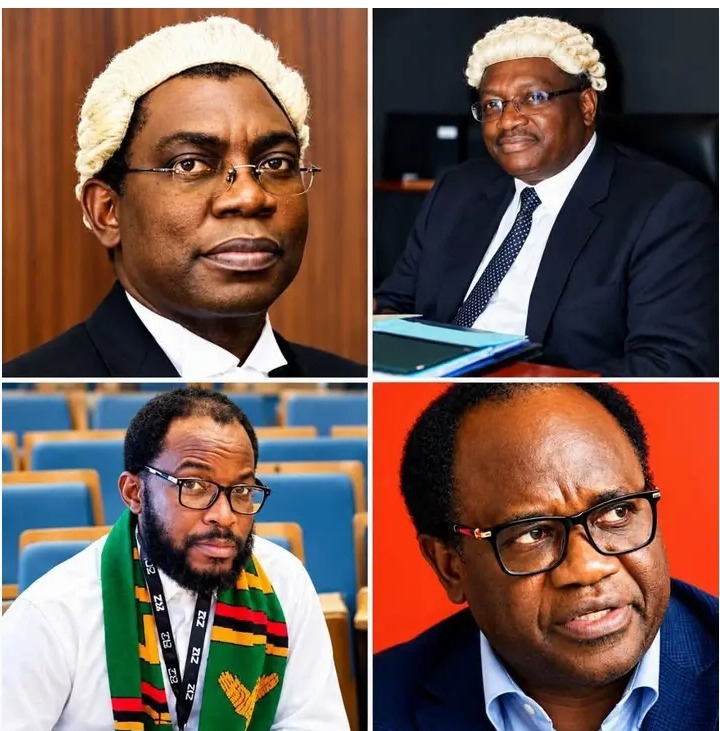
Zambia: Mundubile Zulu Denied Lawyers at Mukobeko Prison
Summary
- Incarcerated Tonse Pamodzi Alliance leaders Brian Mundubile and Makebi Zulu have reportedly been denied access to their lawyers.
- The alleged denial of legal counsel occurred at Mukobeko Maximum Prison.
- Kasonde Mwenda C, President of the EFF, accused the UPND Government of being responsible for restricting lawyer access.
- This situation raises significant concerns about the fundamental right to counsel and due process in Zambia.
- Legal and human rights advocates are closely monitoring the case for its implications on access to justice, particularly in politically sensitive contexts.
Allegations of Denied Legal Access at Mukobeko Prison
This development signals potential challenges to fundamental legal rights, specifically access to counsel, within the Zambian justice system.
Prominent Zambian political figures, Brian Mundubile and Makebi Zulu, who are currently incarcerated, have reportedly been denied access to their legal counsel while held at Mukobeko Maximum Prison. The two individuals are recognized leaders within the Tonse Pamodzi Alliance, and their alleged inability to consult with their lawyers raises significant concerns regarding fundamental legal protections.
The accusation of restricted lawyer access was brought forward by Kasonde Mwenda C, who serves as the President of the Economic Freedom Fighters (EFF) and is also a member of the Tonse Pamodzi Alliance Council of Presidents. Mwenda explicitly stated that the UPND Government is responsible for this alleged denial, directly implicating the current administration in hindering the legal rights of the detained politicians. This development places the focus squarely on the conditions at Mukobeko Prison and the broader implications for due process.
The Right to Counsel in Zambian Law
The right to counsel is a fundamental tenet of justice systems worldwide, including in Zambia, ensuring that individuals facing legal proceedings have the opportunity to consult with and be represented by a lawyer. This principle is crucial for upholding due process and safeguarding the rights of the accused, regardless of the nature of their alleged offenses or their political affiliations. The alleged denial for Brian Mundubile and Makebi Zulu to meet with their legal representatives at Mukobeko Prison directly challenges this foundational legal protection.
Access to legal counsel is not merely a procedural formality; it is essential for preparing a defense, understanding charges, and ensuring that legal rights are not violated during detention. When individuals are denied lawyers at Mukobeko, or any detention facility, it can severely compromise their ability to receive a fair hearing and can lead to questions about the integrity of the judicial process. The accusation specifically targets the UPND government lawyer denial, suggesting a systemic issue rather than an isolated incident.
Legal experts often emphasize that the ability of an incarcerated person to communicate confidentially with their attorney is paramount. This ensures that legal strategies can be developed without interference and that any potential abuses or procedural irregularities can be promptly addressed. The mention of State Counsel Sakwiba Sikota in relation to these events further underscores the high-profile nature of the legal representation involved, drawing more attention to the alleged restrictions.
Broader Implications for Justice and Advocacy
This development signals potential challenges to fundamental legal rights, specifically access to counsel, within the Zambian justice system. The accusation that Mundubile Zulu denied lawyers Mukobeko access could have far-reaching implications beyond the immediate case, potentially setting a precedent or highlighting vulnerabilities in the protection of detainees' rights, especially in politically charged environments. Such alleged actions can erode public trust in the impartiality of the legal system and raise concerns among international human rights observers.
For legal practitioners and human rights advocates, the Kasonde Mwenda accusation serves as a critical indicator. Lawyers should monitor this case for implications on due process and human rights advocacy, particularly when representing clients in politically sensitive matters. The ability of legal professionals to access their clients freely and without undue obstruction is vital for the effective functioning of the rule of law and for ensuring that all individuals, including incarcerated political leaders like Brian Mundubile and Makebi Zulu, are afforded their constitutional and statutory legal rights.
The alleged denial of Mukobeko Prison lawyer access underscores the ongoing need for vigilance in protecting civil liberties. It highlights how political dynamics can intersect with legal processes, potentially impacting the impartial application of justice. The outcome and resolution of this situation will be closely watched by those concerned with the state of legal rights and due process in Zambia.
Practical Implications
This development signals potential challenges to fundamental legal rights, specifically access to counsel, within the Zambian justice system. Lawyers should monitor this case for implications on due process and human rights advocacy, particularly when representing clients in politically sensitive matters.
Source
How does this affect you?
Get an AI analysis of this article grounded in your jurisdictions, practice areas, and any policy documents you've uploaded to Wansom.
Finish Reading the Full Story and the Expert Analysis.
Wansom is AI and can make mistakes.