
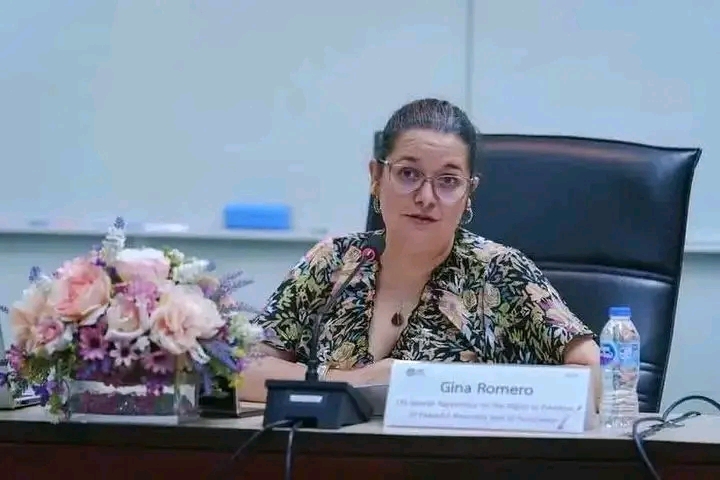
UN Expert: Zambia Mundubile Makebi Treason Case Prompts Release Call
Summary
- A United Nations human rights expert has called for the release of political detainees in Zambia.
- This call brings fresh international scrutiny to the detention of opposition leader Brian Mundubile and his running mate Makebi Zulu.
- The detentions are part of a widening wave of post-election arrests in Zambia.
- The individuals mentioned are reportedly facing treason charges.
International Scrutiny Intensifies Over Zambian Political Detentions
The direct appeal from a United Nations human rights expert for the release of political detainees, including Brian Mundubile and Makebi Zulu, introduces a critical dimension of international accountability to the Zambian legal system.
A United Nations human rights expert has recently issued a significant call for the immediate release of individuals held as political detainees within Zambia. This intervention marks a notable increase in international attention directed towards the southern African nation's handling of its political landscape, particularly concerning those arrested in the aftermath of recent elections. The expert's statement specifically highlights the ongoing detention of prominent opposition leader Brian Mundubile and his running mate, Makebi Zulu, alongside an unspecified number of other individuals. The focus of this renewed international concern centers on the circumstances surrounding these detentions, which are described as part of a broader, widening wave of arrests that have occurred since the last general election. The involvement of a UN human rights expert underscores the gravity with which the international community views the situation, particularly given the implications for fundamental freedoms and due process. This development places Zambia's judicial and political systems under a fresh lens of global examination.
Treason Charges and Zambia's Legal Framework
At the heart of the international outcry are the treason charges formally leveled against figures like Brian Mundubile and Makebi Zulu. Such accusations carry severe penalties and are often viewed with particular caution by international human rights bodies when applied to political opponents. The UN expert's intervention suggests a concern that these charges, and the subsequent detentions, may be politically motivated rather than based purely on criminal conduct, thereby raising questions about the impartiality of the legal process. The broader context of Zambia's post-election environment has seen a number of political arrests, contributing to the perception of a crackdown on dissent. The call from the UN human rights expert serves as a reminder of Zambia's obligations under international human rights law, which mandate fair trials, humane treatment of detainees, and protection against arbitrary detention. The expert's statement implicitly challenges the Zambian authorities to demonstrate adherence to these principles in the handling of these high-profile cases.
Global Implications for Human Rights and Governance
The direct appeal from a United Nations human rights expert for the release of political detainees, including Brian Mundubile and Makebi Zulu, introduces a critical dimension of international accountability to the Zambian legal system. Such high-level interventions can significantly influence the trajectory of cases, potentially impacting the treatment of those detained and the eventual judicial outcomes. This external pressure often compels governments to ensure that legal proceedings are transparent and adhere to international standards, thereby mitigating risks of human rights abuses. This situation holds considerable weight for the perception of human rights and the rule of law in Zambia on the global stage. The continued detention of opposition figures under treason charges, especially when drawing the attention of a UN expert, can affect diplomatic relations, international aid, and foreign investment. It underscores the principle that the treatment of political detainees and the integrity of post-election processes are not solely domestic matters but are subject to international scrutiny and human rights norms.
Practical Implications
Lawyers advising on criminal defense, human rights, or political risk in Zambia should closely monitor this high-profile treason case, as international scrutiny from UN experts can significantly influence judicial processes, the treatment of detainees, and potentially impact future legal strategies or advocacy efforts related to political cases.
Source
How does this affect you?
Get an AI analysis of this article grounded in your jurisdictions, practice areas, and any policy documents you've uploaded to Wansom.
Finish Reading the Full Story and the Expert Analysis.
Wansom is AI and can make mistakes.