
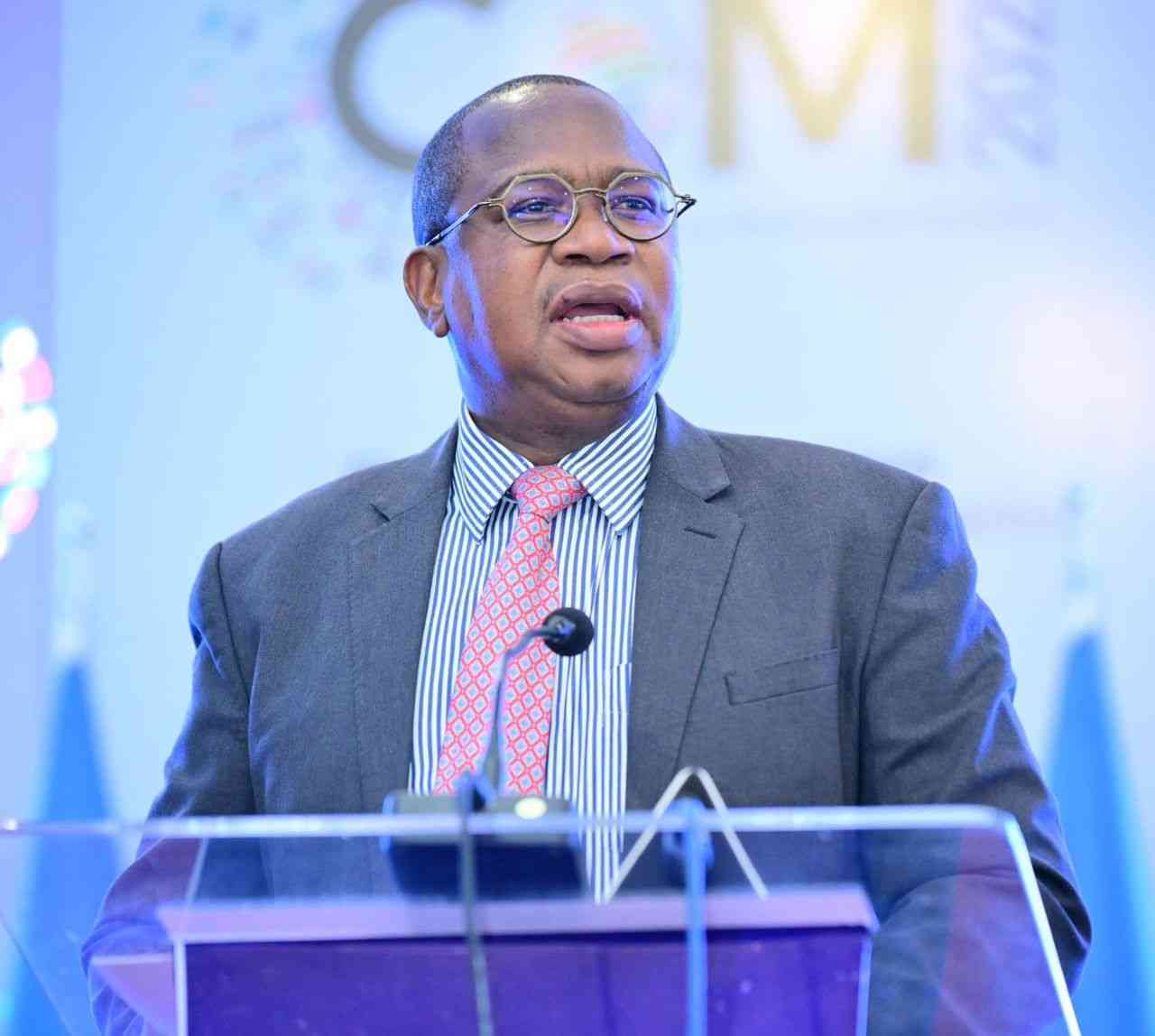
Mthuli Ncube: Zimbabwe Sets Ambitious 22% Tax Target by 2030
Summary
- Zimbabwe's Finance Minister, Mthuli Ncube, announced a goal to achieve a 22% tax-to-GDP ratio by 2030.
- The announcement was made on Wednesday during ZIMRA's Silver Jubilee celebrations at the Harare International Conference Centre.
- Minister Ncube challenged the revenue authority to enhance its collection efforts in line with the nation's economic growth.
- This target underscores a strategic push to strengthen Zimbabwe's fiscal position over the coming years.
Ambitious Fiscal Target Set
This ambitious target signals a significant shift in Zimbabwe's fiscal policy outlook, aiming to bolster national revenue streams considerably over the next seven years.
Zimbabwe's Finance Minister, Mthuli Ncube, recently unveiled a significant fiscal objective, declaring the nation's intent to achieve a 22% tax-to-GDP ratio by the year 2030. This ambitious Mthuli Ncube Zimbabwe 22% tax target was announced on Wednesday during the Zimbabwe Revenue Authority's (ZIMRA) Silver Jubilee celebrations, an event held at the Harare International Conference Centre.
During his address, Minister Ncube issued a direct challenge to ZIMRA, urging the revenue authority to significantly enhance its collection capabilities. The minister emphasized the critical need for ZIMRA to evolve its operations and strategies to effectively keep pace with Zimbabwe's continually expanding economy.
This declaration underscores a strategic governmental push to strengthen the country's financial foundations and ensure sustainable public funding for national development initiatives over the coming decade. The 2030 goal represents a clear directive for all stakeholders involved in revenue generation and fiscal management.
Strategic Fiscal Outlook
The establishment of a 22% Zimbabwe tax-to-GDP 2030 goal signals a pivotal shift in the nation's fiscal policy outlook. This target reflects a broader governmental strategy aimed at bolstering national revenue streams and fostering greater economic self-sufficiency. Achieving such a substantial increase in the tax-to-GDP ratio will require a concerted effort across various sectors, impacting both policy formulation and enforcement.
To meet this ambitious objective, a robust and adaptive ZIMRA revenue collection strategy will be paramount. The challenge laid down by Minister Ncube highlights the expectation that ZIMRA will not only improve its efficiency but also innovate its methods to capture revenue from the growing economic activity. This includes leveraging technology and refining compliance mechanisms to ensure that the expanding economy translates directly into increased state coffers.
The emphasis on keeping pace with an expanding economy suggests that the government anticipates sustained growth, which in turn should provide a larger tax base. However, effectively converting this growth into actual revenue will depend heavily on ZIMRA's capacity to implement effective collection strategies and adapt to the evolving economic landscape.
Implications for Taxpayers and Compliance
The pursuit of the Mthuli Ncube Zimbabwe 22% tax target by 2030 is expected to usher in a period of significant Mthuli Ncube tax reforms Zimbabwe. These reforms are likely to encompass legislative changes, enhanced enforcement measures, and potentially new tax instruments or adjustments to existing rates. Lawyers and compliance officers in Zimbabwe should therefore anticipate a dynamic regulatory environment in the coming years.
Such an ambitious revenue target will inevitably have direct Zimbabwe corporate tax implications 2030, potentially leading to increased scrutiny of corporate financial activities and stricter compliance requirements. Individual taxpayers may also experience changes in their tax liabilities and reporting obligations as the government seeks to broaden its tax base and improve collection efficiency. The focus on an expanding economy implies that new businesses and growing sectors will likely be brought under closer tax review.
Legal professionals and compliance departments within organizations will need to proactively monitor upcoming legislative changes and regulatory pronouncements from ZIMRA. Ensuring adherence to evolving tax laws and preparing for potentially increased enforcement efforts will be crucial to mitigate risks and maintain good standing with the revenue authority as the nation strives towards its 2030 fiscal goal.
Practical Implications
Lawyers and compliance officers in Zimbabwe should monitor upcoming legislative changes and increased enforcement efforts by ZIMRA, as the government aims to achieve its ambitious 22% tax-to-GDP target by 2030, potentially impacting corporate and individual tax liabilities and compliance burdens.
Source
Source: Original reporting via NewsDay
How does this affect you?
Get an AI analysis of this article grounded in your jurisdictions, practice areas, and any policy documents you've uploaded to Wansom.
Finish Reading the Full Story and the Expert Analysis.
Wansom is AI and can make mistakes.