
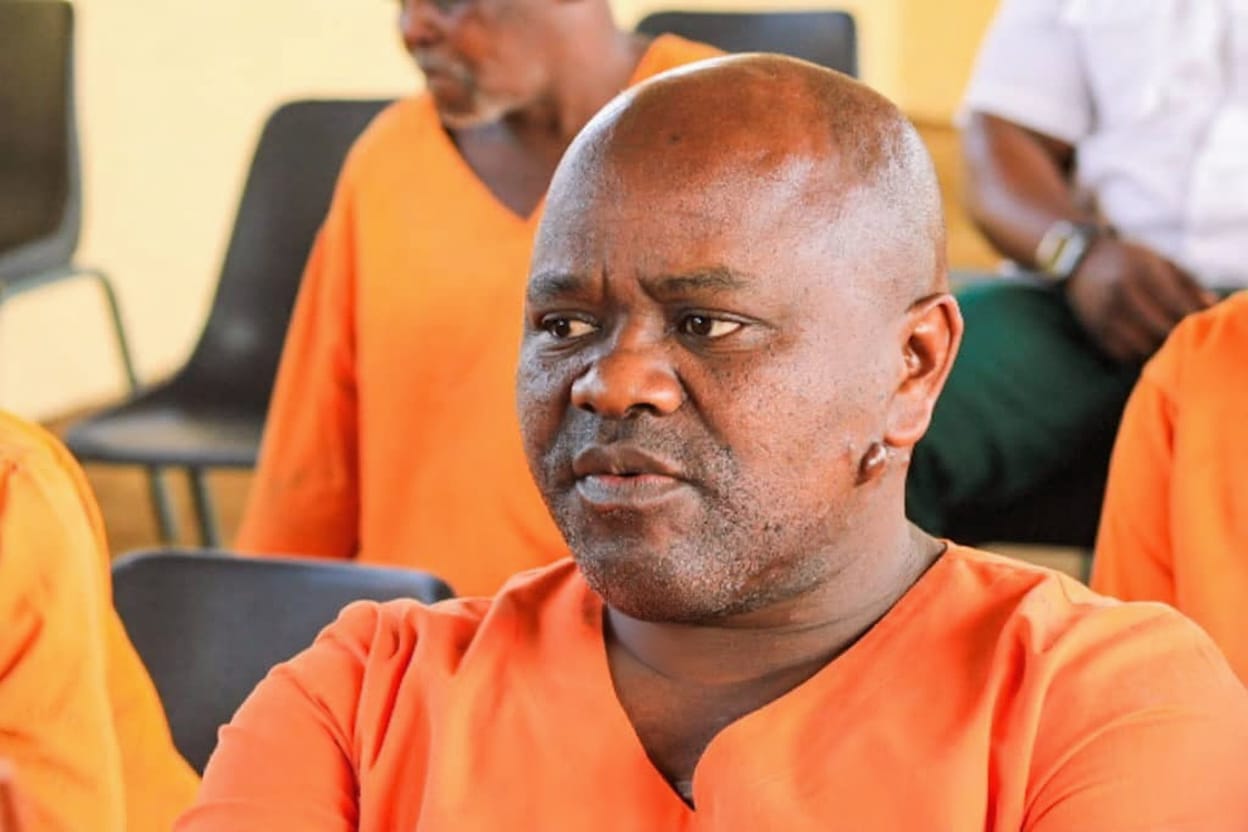
Eswatini: Mthandeni Dube Pardon Audio Sparks Controversy
Summary
- Former Ngwempisi MP Mthandeni Dube received a King Mswati III Royal Pardon on November 5, 2025.
- Upon his release, Dube publicly expressed gratitude to Their Majesties.
- An alleged audio recording surfaced in September 2026, containing remarks attributed to Dube that contradicted his initial public statements.
- The discrepancy has sparked an Eswatini pardon audio controversy regarding Mthandeni Dube's post-pardon statements.
Conflicting Narratives Emerge Post-Pardon
The alleged disparity between Mthandeni Dube's public gratitude and the content of the purported audio recording underscores the critical importance of consistent public messaging for individuals who have been granted royal pardons.
Former Ngwempisi Member of Parliament, Mthandeni Dube, found himself at the center of an Eswatini pardon audio controversy following his release from prison. On November 5, 2025, Dube was granted a King Mswati III Royal Pardon, allowing him to walk free. Upon his release, the former legislator publicly conveyed his gratitude to Their Majesties, a customary and expected gesture for individuals receiving such clemency.
However, this public stance was later challenged by an alleged audio recording that surfaced in September 2026. The recording contained remarks attributed to Mthandeni Dube, which were reportedly starkly different from the sentiments of appreciation he expressed on the day of his release. This discrepancy between his initial Mthandeni Dube post-pardon statements and the alleged audio has drawn attention, highlighting a potential conflict in his public and private messaging following his pardon.
The Significance of a Royal Pardon in Eswatini
The granting of a royal pardon, particularly by King Mswati III, carries significant weight within Eswatini's legal and political framework. Such an act of clemency typically signifies a fresh start for the individual, often accompanied by an implicit understanding of adherence to certain societal expectations and respect for the authority that granted the pardon. For a prominent figure like former Ngwempisi MP Mthandeni Dube, whose release was a notable event, the public expression of gratitude is not merely ceremonial but often seen as an affirmation of the pardon's terms and the monarch's benevolence.
In the context of Eswatini political prisoner pardon cases, the conduct and public statements of released individuals are often closely scrutinized. The emergence of an alleged audio recording containing contradictory remarks, nearly a year after Dube's release, introduces a layer of complexity to his post-pardon narrative. It raises questions about the consistency of his messaging and the potential implications for his standing, as well as for the broader perception of royal pardons.
Implications of Inconsistent Public Messaging
The alleged disparity between Mthandeni Dube's public gratitude and the content of the purported audio recording underscores the critical importance of consistent public messaging for individuals who have been granted royal pardons. For a figure of Dube's stature, any perceived inconsistency can lead to reputational damage, potentially eroding public trust and raising questions about the sincerity of his initial statements. Such situations can also invite further scrutiny into the circumstances surrounding the pardon itself, even if the pardon's legal validity remains unchallenged.
Furthermore, conflicting statements or alleged recordings can inadvertently lead to legal scrutiny regarding the terms and implications of a release, particularly if the alleged remarks are perceived to undermine the authority or conditions under which the pardon was granted. While the precise content of the alleged Mthandeni Dube Eswatini pardon audio has not been detailed, the mere existence of a reported contradiction highlights the delicate balance individuals must maintain between personal expression and the public image expected of those who have benefited from significant acts of clemency.
Practical Implications
This development underscores the importance of consistent public messaging for individuals granted royal pardons, as conflicting statements or alleged recordings can lead to reputational damage or potential legal scrutiny regarding the terms and implications of their release.
Source
How does this affect you?
Get an AI analysis of this article grounded in your jurisdictions, practice areas, and any policy documents you've uploaded to Wansom.
Finish Reading the Full Story and the Expert Analysis.
Get the latest legal & regulatory intelligence in Eswatini
Wansom is AI and can make mistakes.