
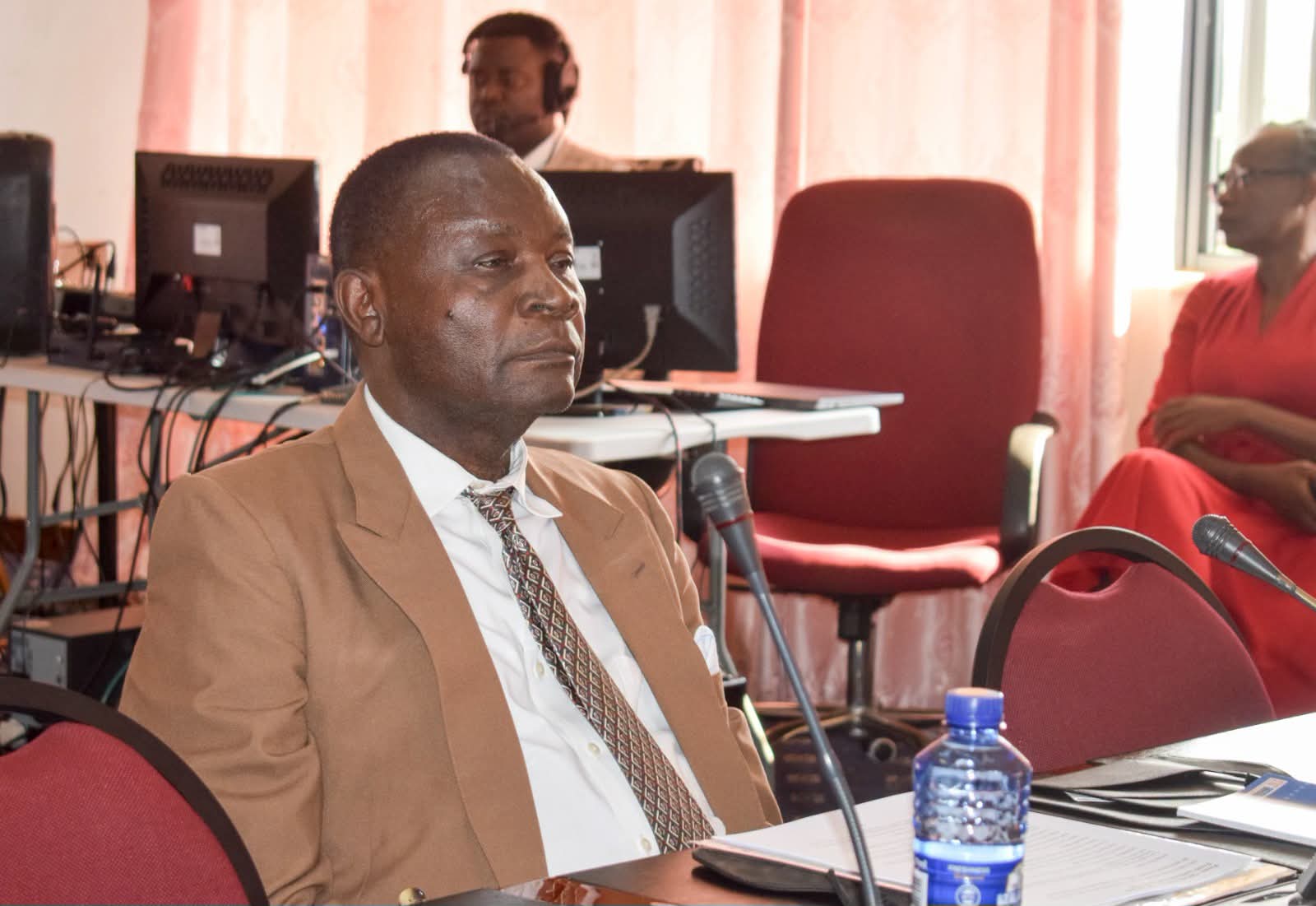
Mtende Testimony Chikangawa Inquiry: Instructor Cites Crew Failures
Summary
- Retired military pilot Mtende testified before the Parliamentary Ad-Hoc Committee investigating the Chikangawa plane crash.
- Mtende was the instructor of Sambalopa, the pilot at the controls of the Dornier 228 aircraft involved in the accident.
- The crash tragically killed Vice President Saulos Chilima and eight other individuals.
- Mtende revealed that crew coordination failures are internationally recognized as a leading cause of aviation accidents.
- The inquiry's findings could significantly impact future aviation safety regulations and liability precedents in Malawi.
The Testimony Unveiled
The core of Mtende's testimony highlighted that crew coordination failures are not merely isolated incidents but have been internationally identified as a primary contributor to aviation accidents.
A retired military pilot, identified as Mtende, has delivered critical testimony to the Parliamentary Ad-Hoc Committee tasked with investigating the tragic Chikangawa plane crash. Mtende, who personally instructed Sambalopa, the pilot at the controls of the ill-fated Dornier 228 aircraft, provided insights that underscore a globally recognized vulnerability in aviation safety.
His appearance before the committee forms a pivotal part of the ongoing Chikangawa plane crash investigation, which seeks to uncover the circumstances surrounding the accident that claimed the lives of Vice President Saulos Chilima and eight other individuals. The gravity of the testimony stems from Mtende's direct connection to the flight crew and his revelation concerning systemic issues in aviation safety.
The core of Mtende's testimony highlighted that crew coordination failures are not merely isolated incidents but have been internationally identified as a primary contributor to aviation accidents. This statement, coming from an experienced instructor of the pilot involved, lends significant weight to the inquiry's potential findings regarding the Dornier 228 Malawi accident.
The Chikangawa Inquiry's Mandate
The Parliamentary Ad-Hoc Committee's investigation into the Saulos Chilima crash inquiry carries substantial national importance, aiming to provide clarity and accountability for the loss of high-ranking officials and other passengers. The committee's mandate involves a thorough examination of all contributing factors, and the pilot Sambalopa instructor testimony from Mtende introduces a critical dimension to their work.
By focusing on crew coordination failures, the inquiry is aligning its investigative scope with established international aviation safety protocols and accident analysis methodologies. This approach suggests a comprehensive effort to understand not just mechanical or environmental factors, but also the human element and operational dynamics within the cockpit. The committee's findings could therefore set significant precedents for future aviation safety standards and regulatory oversight within Malawi.
International Precedents in Aviation Safety
The emphasis on crew coordination failures, as articulated in Mtende's testimony, resonates with decades of international aviation accident research. Global aviation bodies and accident investigation boards consistently identify inadequate communication, poor decision-making, and insufficient teamwork among flight crew as critical elements in numerous incidents and crashes. This recognition has led to the development of rigorous Crew Resource Management (CRM) training programs worldwide.
For the Chikangawa inquiry, acknowledging this international context means that any identified Malawi aviation crew coordination failures would not be seen as unique to the incident but rather as a manifestation of a known risk factor. This perspective could guide the committee in recommending systemic changes to pilot training, operational procedures, and regulatory enforcement to prevent similar tragedies in the future. The inquiry's final report is therefore anticipated to delve deeply into these aspects, potentially influencing aviation practices far beyond the immediate scope of the crash.
Broader Implications for Malawi's Aviation Sector
The implications of Mtende's testimony extend beyond the immediate investigation, potentially reshaping the regulatory landscape for Malawi's aviation sector. If the inquiry concludes that crew coordination failures played a role in the Dornier 228 Malawi accident, it could trigger a comprehensive review of existing pilot training programs, licensing requirements, and operational safety protocols across all domestic airlines and private operators.
Such findings could establish new benchmarks for liability in aviation accidents, influencing how future claims are assessed and how responsibilities are apportioned among operators, training institutions, and regulatory bodies. The Chikangawa plane crash investigation, therefore, stands as a critical juncture for aviation safety in Malawi, with its outcomes likely to have lasting effects on compliance, risk management, and the overall integrity of the nation's air travel infrastructure.
Practical Implications
The inquiry's findings, particularly regarding identified crew coordination failures, could establish precedents for liability in aviation accidents and influence future aviation safety regulations in Malawi. Lawyers advising aviation clients or handling related litigation should monitor the inquiry's final report for implications on compliance, risk assessment, and potential claims.
Source
How does this affect you?
Get an AI analysis of this article grounded in your jurisdictions, practice areas, and any policy documents you've uploaded to Wansom.
Wansom is AI and can make mistakes.