
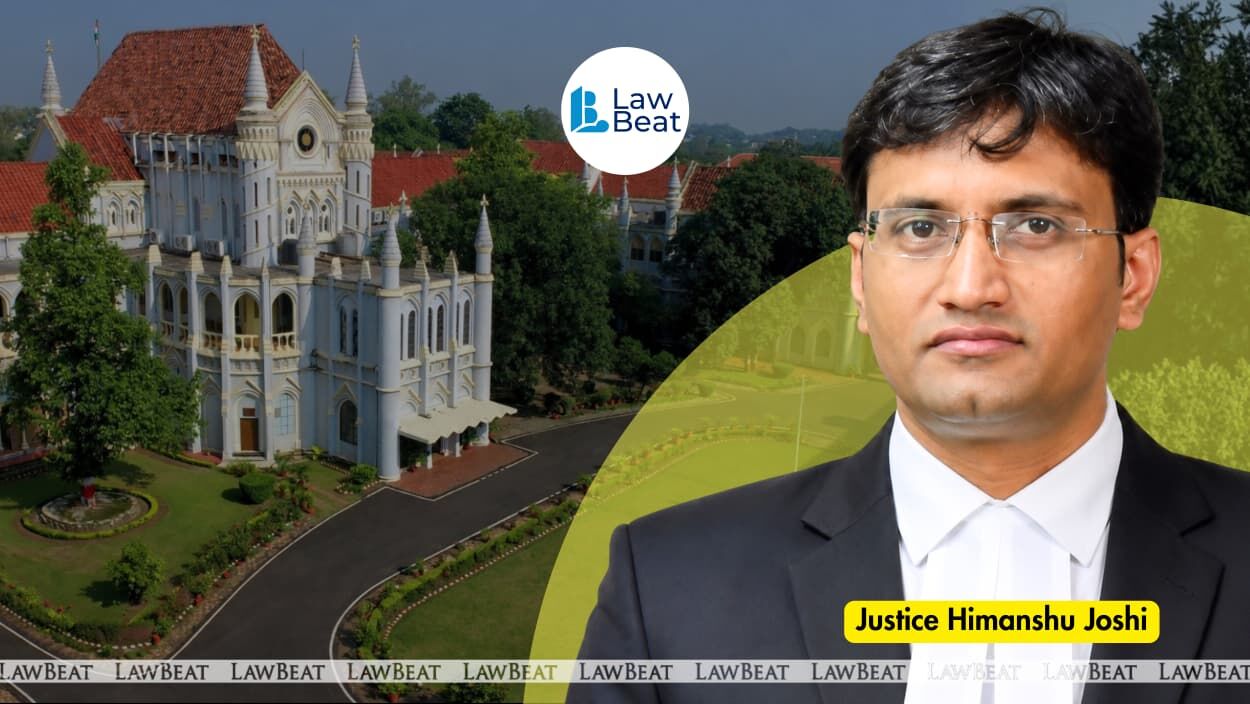
MP High Court: Suicide Note Abetment Proof Insufficient, Quashes FIR
Summary
- The Madhya Pradesh High Court quashed an abetment of suicide FIR against a grandfather and uncle, finding insufficient evidence.
- The court ruled that merely naming someone in a suicide note is not enough to prove abetment without specific instigation or intentional aid.
- The victim's minor age does not waive the requirement for concrete proof of a legally cognizable act attributable to the accused.
- Abetment requires a positive act with a proximate nexus to the suicide, a principle reinforced by Supreme Court precedents like Ramesh Kumar v. State of Chhattisgarh.
- General allegations of harassment, lacking specific details regarding their nature, manner, and timing, cannot by themselves constitute the offense of abetment.
What Happened
Naming a person, without particulars of instigation, intentional aid or a proximate act having nexus with the suicide, cannot automatically result in criminal liability.
The Madhya Pradesh High Court, sitting at Jabalpur, recently took a significant step by quashing a First Information Report (FIR) that accused a grandfather and maternal uncle of abetting the suicide of a 14-year-old boy. This decision, delivered by Justice Himanshu Joshi on September 23, 2026, stemmed from a petition filed by Ram Prakash Tiwari and Manish Tiwari under Section 528 of the Bharatiya Nagarik Suraksha Sanhita (BNSS), which is the equivalent of the former Section 482 of the Criminal Procedure Code. The petitioners sought to nullify Crime No. 468/2025, which had been registered at Police Station Amanganj in Panna.
The case originated on August 9, 2025, when the Block Medical Officer of CHC Amanganj reported to the police that the minor boy had been brought to the hospital deceased. A document purported to be a suicide note was reportedly discovered in the boy's pocket. Following interviews with the boy's parents and other relatives, law enforcement officials concluded that the suicide was a result of alleged harassment by the applicants, leading to the registration of the FIR on August 23, 2025. The accused, however, denied these allegations, asserting that the boy's death followed a dispute over worship expenses and that they were being falsely implicated.
The Court's Ruling
In its detailed examination, the High Court determined that merely naming individuals in a suicide note, without concrete evidence of specific instigation or intentional assistance leading to the act, is insufficient to establish the offense of abetment. The court emphasized that the victim's minor age, while tragic, does not negate the fundamental requirement for the prosecution to demonstrate a legally recognizable act attributable to the accused. Advocate Jagdish Prasad Singrol, representing the applicants, persuasively argued that the essential elements of abetment were "conspicuously absent" from the note, which lacked any specific allegations of incitement or aid, or any overt act directly linking the accused to the boy's decision.
The bench, therefore, framed the central legal question as whether the available material, even when considered in its entirety, adequately disclosed the core ingredients necessary for an abetment charge. Despite Section 107 of the Bharatiya Nyaya Sanhita (BNS) specifically addressing the abetment of suicide, including that of a child, the court reiterated that the prosecution bears the burden of proving the requisite act of instigation or intentional aid. The court explicitly stated that "Naming a person, without particulars of instigation, intentional aid or a proximate act having nexus with the suicide, cannot automatically result in criminal liability." This ruling underscores the high threshold for establishing MP High Court suicide note abetment proof.
Legal Precedent and Context
The Madhya Pradesh High Court's decision to quash the abetment suicide FIR was heavily informed by established Supreme Court jurisprudence, which consistently demands a higher standard of proof than a mere mention in a suicide note. The court cited several landmark cases, including Ramesh Kumar v. State of Chhattisgarh, Amalendu Pal v. State of West Bengal, M. Mohan v. State, and Mahendra Awase v. State of Madhya Pradesh. These precedents collectively affirm that abetment necessitates a positive act on the part of the accused, coupled with a direct and proximate nexus to the suicide itself.
Furthermore, the High Court referenced Kiran Deshmukh v. State of Madhya Pradesh, where the Supreme Court had previously held that a bare reference to an accused's name in a suicide note is not enough to prima facie sustain the offense. Applying these principles, the Jabalpur bench found that while the prosecution relied heavily on the suicide note and family statements, no specific act of instigation or intentional aid could be attributed to either the grandfather or the uncle. The note itself lacked a factual narrative that would connect their alleged conduct to the boy's tragic decision. The court also dismissed general allegations of harassment in family statements, noting their lack of specific details regarding "nature, manner and timing," which are crucial for constituting a criminal offense. This ruling provides important guidance on suicide note instigation proof under Bharatiya Nyaya Sanhita Section 107.
Practical Implications
Lawyers defending clients accused of abetment of suicide in India should leverage this MP High Court ruling to challenge FIRs or prosecution evidence based solely on a suicide note, emphasizing the necessity of proving specific instigation or intentional aid and a proximate nexus, rather than just a mention of the accused or general harassment.
Source
How does this affect you?
Get an AI analysis of this article grounded in your jurisdictions, practice areas, and any policy documents you've uploaded to Wansom.
Finish Reading the Full Story and the Expert Analysis.
Wansom is AI and can make mistakes.