
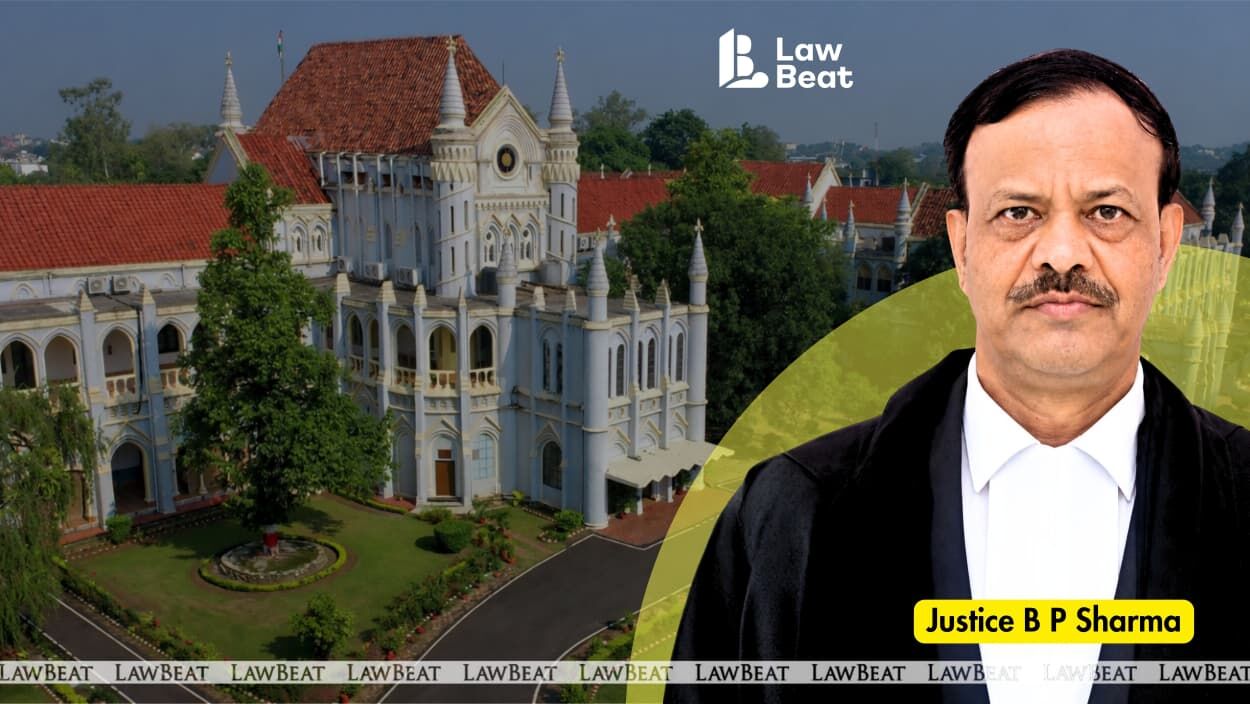
MP High Court: No Dismissal for Permanent Disability Evidence Delay
Summary
- The Madhya Pradesh High Court ruled that a delay in medical examination cannot invalidate evidence of permanent disability in motor accident claims.
- Justice B. P. Sharma enhanced compensation for Suraj Prasad Chakraverti, who suffered a fractured patella, by an additional Rs 50,000.
- The High Court overturned a Motor Accident Claims Tribunal's decision that had rejected a 60% permanent disability assessment because the doctor's examination occurred one year after the accident.
- The court also found the Tribunal's awards for medical expenses, pain and suffering, hospitalization, and special diet to be inadequate.
- This ruling provides a precedent for challenging tribunals or insurance companies that dismiss permanent disability claims based solely on the timing of a medical assessment.
Court Overturns Tribunal's Decision on Disability Evidence
Justice Sharma, in his assessment, explicitly rejected the Tribunal's reasoning, observing that merely because the medical examination occurred a year post-accident, it could not, by itself, invalidate the medical evidence pertaining to permanent disability.
The Madhya Pradesh High Court has delivered a significant ruling, asserting that a delay in a medical examination should not be the sole basis for dismissing evidence of permanent disability in motor accident claims. Justice B. P. Sharma, presiding over a Miscellaneous Appeal under Section 173 of the Motor Vehicles Act, 1988, found fault with a lower tribunal's decision to reject a victim's disability claim simply because the medical assessment occurred approximately one year after the accident. This judgment underscores the judiciary's commitment to ensuring fair compensation for accident victims, particularly in cases involving long-term injuries.
The case involved Suraj Prasad Chakraverti, who had suffered a fractured patella bone in a motor vehicle accident. Following the incident, Chakraverti underwent extensive treatment across multiple hospitals. Dissatisfied with the initial award from the 17th Upper Motor Accident Claims Tribunal in Jabalpur, which dated March 29, 2011, and amounted to Rs 63,970, he sought an enhancement from the High Court. The Tribunal had specifically declined to acknowledge his claim of permanent disability, a decision that became a central point of contention in the appeal.
Ultimately, the High Court modified the original award, granting Chakraverti an additional lump sum of Rs 50,000. This enhancement came after a thorough review of the evidence, where the court determined that the Tribunal's reasoning for rejecting the permanent disability claim was flawed. The ruling highlights the importance of considering the full context of a victim's injuries and treatment, rather than relying on procedural timelines to invalidate medical evidence.
The Core Dispute: Permanent Disability Assessment
The crux of the appeal centered on the assessment of Suraj Prasad Chakraverti's permanent disability. Advocate Ramprakash Shivhare, representing the appellant, argued that the compensation initially awarded by the Tribunal was "grossly inadequate" given the severity and nature of the injuries sustained. He highlighted that Dr. Navin Kothari had assessed Chakraverti's permanent disability at 60 percent, yet the Tribunal had failed to properly appreciate this crucial testimony. Furthermore, medical bills and investigation reports detailing approximately Rs 70,000 in expenses had been submitted but, according to the appellant, were not adequately considered by the lower court.
The respondents, represented by Advocate Shreyash Pandit for the first two parties and Advocate Kuldeep Rathore for the Insurance Company, defended the Tribunal's original award. The Insurance Company contended that the Tribunal had provided "cogent reasons" for rejecting the disability claim and that the appellant had not presented reliable evidence to substantiate his case. The primary reason cited by the Tribunal for its rejection of the permanent disability evidence was the timing of Dr. Kothari's examination, which took place roughly one year after the motor accident. This medical examination delay disability claim became the focal point of the High Court's scrutiny.
Justice Sharma, in his assessment, explicitly rejected the Tribunal's reasoning, observing that merely because the medical examination occurred a year post-accident, it could not, by itself, invalidate the medical evidence pertaining to permanent disability. This was particularly pertinent given that Chakraverti had suffered a fractured patella bone and had undergone prolonged and extensive treatment. The High Court's stance emphasizes that the validity of permanent disability assessment India should not be undermined solely by the interval between the incident and the medical evaluation, especially when significant injuries and ongoing care are involved.
Reassessing Compensation and Broader Implications
Beyond the issue of permanent disability, the Madhya Pradesh High Court also scrutinized other components of the compensation awarded by the Motor Accident Claims Tribunal. The court noted that while Chakraverti had produced comprehensive medical bills and investigation reports indicating expenses around Rs 70,000, the Tribunal had only granted Rs 63,970 under this head. Furthermore, the High Court determined that the amounts allocated for pain and suffering, hospitalization, and special diet were "on the lower side" and insufficient, considering the nature of the injuries and the prolonged treatment the appellant endured.
Taking into account the overall facts and circumstances, including the inadequacy of various compensation heads and the flawed rejection of the permanent disability evidence, the High Court concluded that an additional lump sum of Rs 50,000 represented "just and proper compensation." This decision, while not separately quantifying the compensation specifically for the claimed permanent disability, effectively led to a motor accident claims compensation enhancement for Suraj Prasad Chakraverti. The enhanced amount is also set to accrue interest at the rate previously fixed by the Tribunal, calculated from the date the claim petition was filed until its realization, though the court did stipulate an exception regarding this interest.
This ruling by the Madhya Pradesh High Court carries significant weight for future motor accident claims in India. It establishes a precedent that challenges the dismissal of permanent disability evidence based solely on a medical examination delay disability claim. Lawyers representing victims can now cite this judgment to argue against insurance companies or tribunals that attempt to invalidate such claims on procedural grounds, thereby strengthening arguments for enhanced compensation and ensuring a more equitable permanent disability assessment India. The decision reinforces the principle that the substance of a victim's injury and its long-term impact should take precedence over the timing of a medical report.
Practical Implications
Lawyers representing motor accident victims in India can cite this MP High Court ruling to challenge tribunals or insurance companies attempting to dismiss permanent disability claims solely due to a delay in the medical examination, thereby strengthening arguments for enhanced compensation.
Source
How does this affect you?
Get an AI analysis of this article grounded in your jurisdictions, practice areas, and any policy documents you've uploaded to Wansom.
Finish Reading the Full Story and the Expert Analysis.
Get the latest legal & regulatory intelligence in India
Wansom is AI and can make mistakes.