
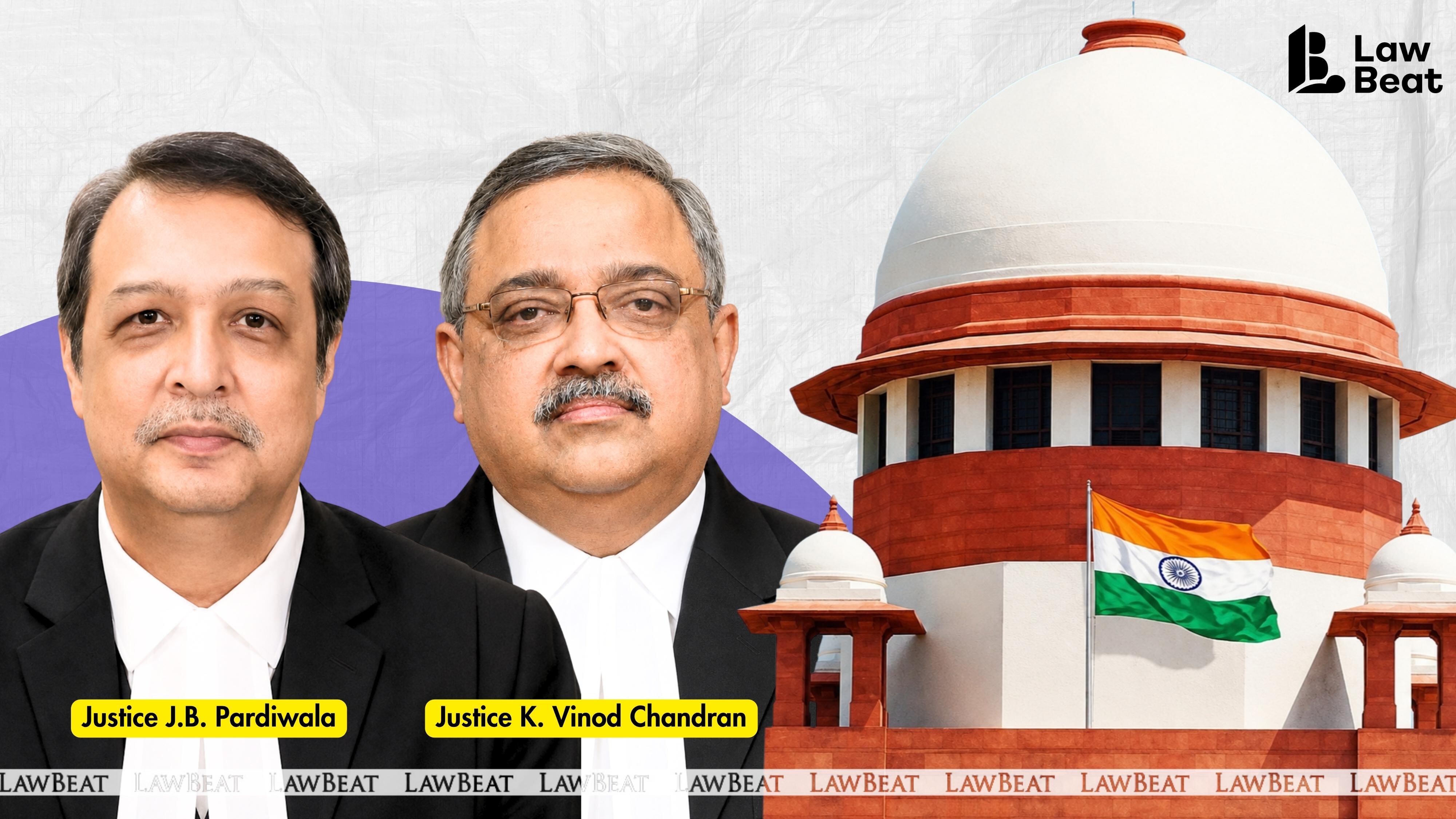
Supreme Court Seeks Delhi HC Execution Petition Pendency Explanation
Summary
- The Supreme Court has sought an explanation from the Delhi High Court regarding its high number of pending execution petitions.
- This inquiry follows the disposal of nearly two lakh execution petitions across other High Courts in the last six months.
- Senior Advocate Gopal Shankaranarayanan highlighted issues with the application of Section 151 of the Code of Civil Procedure as a potential factor for Delhi's backlog.
- Justices JB Pardiwala and K Vinod Chandran are overseeing the matter, noting Delhi's figures as "red" compared to other High Courts.
- The Supreme Court's upcoming order will formally demand clarification from the Delhi High Court on obstacles to expeditious disposal.
Supreme Court Scrutiny
Justice Pardiwala pointedly observed that while other High Courts showed "blue" indicators of progress, Delhi's figures remained "red," questioning the reasons behind such extensive pendency in the capital's high court.
The Supreme Court of India has formally requested an explanation from the Delhi High Court regarding the persistent high number of pending execution petitions. This directive came during a recent hearing where the apex court, comprising Justices JB Pardiwala and K Vinod Chandran, reviewed the status of such petitions across various High Courts nationwide. The bench noted a significant national effort, with nearly two lakh execution petitions having been resolved across different High Courts over the past six months, a development Justice Pardiwala described as positive.
However, despite this overall progress in India Supreme Court execution petition disposal, the Supreme Court specifically highlighted the concerning figures from the Delhi High Court. Senior Advocate Gopal Shankaranarayanan, assisting the bench, presented a comparative chart and a trend analysis that starkly contrasted Delhi's performance with other jurisdictions. Justice Pardiwala pointedly observed that while other High Courts showed "blue" indicators of progress, Delhi's figures remained "red," questioning the reasons behind such extensive pendency in the capital's high court. This direct inquiry underscores the Supreme Court's intent to understand the specific challenges contributing to the Delhi High Court execution petition backlog.
Legal Hurdles and Procedural Delays
During the proceedings, Senior Advocate Shankaranarayanan, while admitting he lacked a definitive answer for Delhi's unique situation, pointed to specific legal and procedural developments. He referenced the application of powers under Section 151 of the Code of Civil Procedure (CPC) as a potential factor. Shankaranarayanan informed the Court that the Delhi High Court had initially demonstrated commendable efficiency in this area approximately five to six years prior.
However, this positive trend reportedly shifted after a separate Division Bench of the Delhi High Court, operating in a different jurisdiction, subsequently ruled that certain previous judgments related to Section 151 CPC could not have been validly passed. This perceived "abeyance" in the exercise of Section 151 powers was suggested as a contributing cause for the current Section 151 CPC Delhi High Court pendency. Beyond this specific legal interpretation, Shankaranarayanan also cited other common impediments, including the issuance of interim orders, the filing of applications raising objections, and occasional non-availability of legal counsel, all of which contribute to delays in the resolution of execution petitions.
National Landscape and Systemic Improvements
While focusing on Delhi's challenges, the Supreme Court also acknowledged the varying rates of execution petition disposal across other High Courts. Justice Pardiwala specifically commended Gujarat's performance, noting its figures as "the best," with Senior Advocate Shankaranarayanan also highlighting Kerala's notable progress in this regard. These examples serve as benchmarks for what is achievable in expediting the resolution of such cases.
The bench also inquired about broader systemic improvements, seeking an update from Additional Solicitor General (ASG) Aishwarya Bhati concerning a proposed "cell" and the incorporation of rules as a schedule to relevant legislation. ASG Bhati reported that no progress had been made on these fronts since the previous hearing. Justice Pardiwala urged her to actively pursue the matter with the concerned department, emphasizing that the Supreme Court's observations in its upcoming order would further support these efforts, aiming for more efficient India Supreme Court execution petition disposal across the board.
Implications for Delhi's Judiciary
The Supreme Court's firm stance indicates a forthcoming demand for a detailed explanation from the Delhi High Court. Justice JB Pardiwala explicitly stated that the Court's order would formally request the Delhi High Court to clarify "what is coming in their way" regarding the swift resolution of execution petitions. This direct intervention by the Supreme Court seeks Delhi HC execution petition pendency explanation and is poised to intensify scrutiny on the High Court's procedural mechanisms and judicial interpretations, particularly concerning Section 151 CPC.
The bench also probed whether the specific Division Bench judgment, which reportedly impacted the application of Section 151 CPC, had been formally challenged. Justice Pardiwala observed that the powers under Section 151 appeared to have been underutilized since that ruling. This suggests that the Supreme Court is not only concerned with the sheer volume of the Delhi High Court execution petition backlog but also with the underlying legal interpretations and judicial practices that may be contributing to it, potentially leading to significant procedural reviews or directives for the Delhi judiciary.
Practical Implications
Lawyers with pending execution petitions in the Delhi High Court should anticipate increased scrutiny and potential procedural changes or expedited disposal efforts, as the Supreme Court is actively seeking explanations for the high pendency, particularly concerning the application of Section 151 CPC.
Source
How does this affect you?
Get an AI analysis of this article grounded in your jurisdictions, practice areas, and any policy documents you've uploaded to Wansom.
Finish Reading the Full Story and the Expert Analysis.
Get the latest legal & regulatory intelligence in India
Wansom is AI and can make mistakes.