
MP High Court: Litigant Not to Suffer Counsel's Mistake, Ex Parte Set Aside
Summary
- The Madhya Pradesh High Court set aside ex parte proceedings against a litigant who was misled by her former lawyer.
- The court ruled that a litigant should not suffer for their counsel's mistakes, citing consistent follow-up by the client via WhatsApp.
- The High Court invoked its supervisory jurisdiction under Article 227 to ensure justice and directed a proper hearing for the petitioner.
- The court referred the conduct of the involved advocates to the State Bar Council of Madhya Pradesh for examination under Section 35 of the Advocates Act, 1961.
- Costs of Rs 5,000 were imposed, and the court expressed shock at advocates not discharging their duties with integrity.
Court Overturns Ex Parte Order
The court determined that the litigant had been misled by her previous legal representation, emphasizing that an individual should not bear the consequences of their counsel's errors.
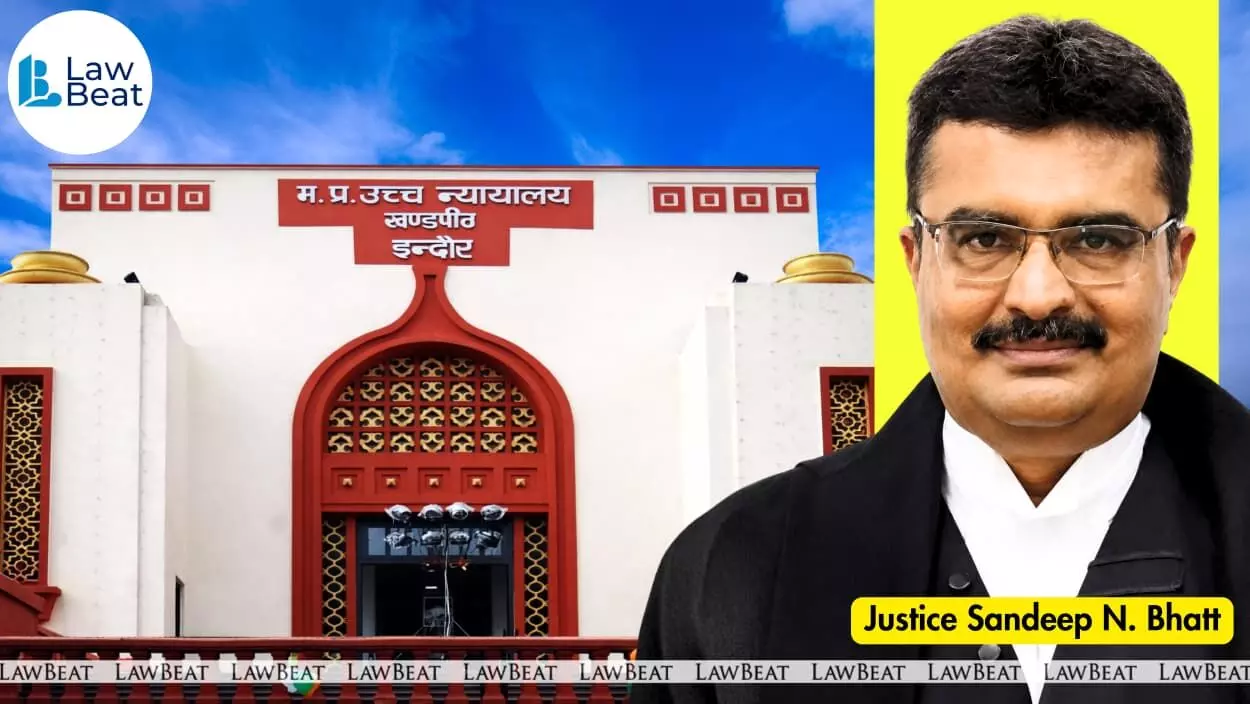
The Madhya Pradesh High Court, sitting at Indore, recently intervened to set aside ex parte proceedings that had been initiated against a woman litigant. The court determined that the litigant had been misled by her previous legal representation, emphasizing that an individual should not bear the consequences of their counsel's errors. This decision, issued by Justice Sandeep N. Bhatt on October 30, allowed a petition filed under Article 227 of the Constitution, directing the trial court to grant the petitioner a full and proper hearing.
The petitioner had specifically challenged orders dated February 16, 2026, and September 1, 2026, which were issued by the Civil Judge, Senior Division, Indore, in Civil Suit No. RCSA/922/2021. Crucially, she also sought to overturn the ex parte proceedings recorded against her on September 23, 2025. Her current advocate, Raghvendra Singh Raghuvanshi, informed the court that his client, residing in Chandigarh, had previously engaged an Indore-based lawyer, Rohit Dubey. Evidence presented, including WhatsApp communications, demonstrated that she consistently sought updates on her case, and the information provided by her former counsel led her to believe no further action was required on her part, ultimately resulting in her being proceeded against ex parte for non-appearance.
Opposing this plea, advocate Govind Rai Purohit, representing the respondent, contended that the petitioner had already been afforded an opportunity but remained negligent. He also questioned the admissibility of the WhatsApp chat, arguing it lacked the necessary certification under Section 65B of the Evidence Act. However, the High Court was not swayed by these arguments, finding compelling evidence of the litigant's diligent follow-up.
Rationale for the Ruling
The High Court meticulously reviewed the presented evidence, noting that the WhatsApp exchanges clearly indicated the petitioner's consistent engagement with her advocate regarding the case. It was undisputed that the litigant, despite living in Chandigarh, had relied on the information provided by her Indore-based lawyer. The court observed that, prima facie, she had pursued the matter persistently and consistently, while her former advocate, for reasons unknown, had provided inaccurate information. The court also found it "normally strange" that the previous counsel had not objected to a status quo order on the initial appearance date.
While acknowledging the respondent's point that no formal complaint to the Bar Council or further correspondence with the advocate was on record, the court firmly held that the petitioner could not be penalized for the negligent actions or deliberate omissions of her legal representative. Citing Supreme Court precedents such as Rafiq v. Munshilal, Malkiat Singh v. Joginder Singh, and Tahil Ram Issardas Sadarangani, the court reinforced the principle that a litigant should not suffer due to their lawyer's negligence. This ruling underscores the importance of diligent representation and the protection of litigants from the consequences of an MP High Court litigant counsel mistake.
Invoking its supervisory jurisdiction under Article 227 of the Constitution to prevent a miscarriage of justice, the court granted the petition. It directed the trial court to hear the petitioner and issue an appropriate order in accordance with the law, stipulating that the petitioner or her advocate must be present on all subsequent fixed dates. Regarding costs, the court acknowledged that the respondent was not primarily at fault but had to appear due to the previous advocate's inaction, thus fixing costs at Rs 5,000.
Professional Conduct Under Scrutiny
Beyond the immediate relief granted to the litigant, the Madhya Pradesh High Court expressed profound concern regarding the conduct of legal professionals. The court stated that its "conscience is also shocked to know that Advocates who are representing the parties are not discharging with all integrity and sincerity." This strong statement highlights the judiciary's expectation of high ethical standards from advocates.
In a significant move, the court directed the petitioner to serve a copy of its order on the State Bar Council of Madhya Pradesh. The Bar Council was empowered to take cognizance of the matter and, if deemed necessary, initiate suo motu action against the advocate who previously represented the petitioner. This referral explicitly referenced Section 35 of the Advocates Act, 1961, which outlines provisions for disciplinary action against advocates for professional misconduct. This decision sends a clear message about accountability, emphasizing that advocate professional misconduct can lead to serious consequences, and the Bar Council is expected to examine such conduct rigorously.
Practical Implications
This ruling reinforces the principle that courts may set aside ex parte orders where a litigant's absence is due to counsel's negligence, even if the client is not physically present but actively following up. Lawyers must be aware that their professional conduct, particularly regarding client communication and diligence, can be scrutinized by the High Court and referred to the State Bar Council for examination under Section 35 of the Advocates Act, 1961, potentially leading to disciplinary action.
Source
Source: Original reporting via Live Law
How does this affect you?
Get an AI analysis of this article grounded in your jurisdictions, practice areas, and any policy documents you've uploaded to Wansom.
Finish Reading the Full Story and the Expert Analysis.
Get the latest legal & regulatory intelligence in India
Wansom is AI and can make mistakes.