
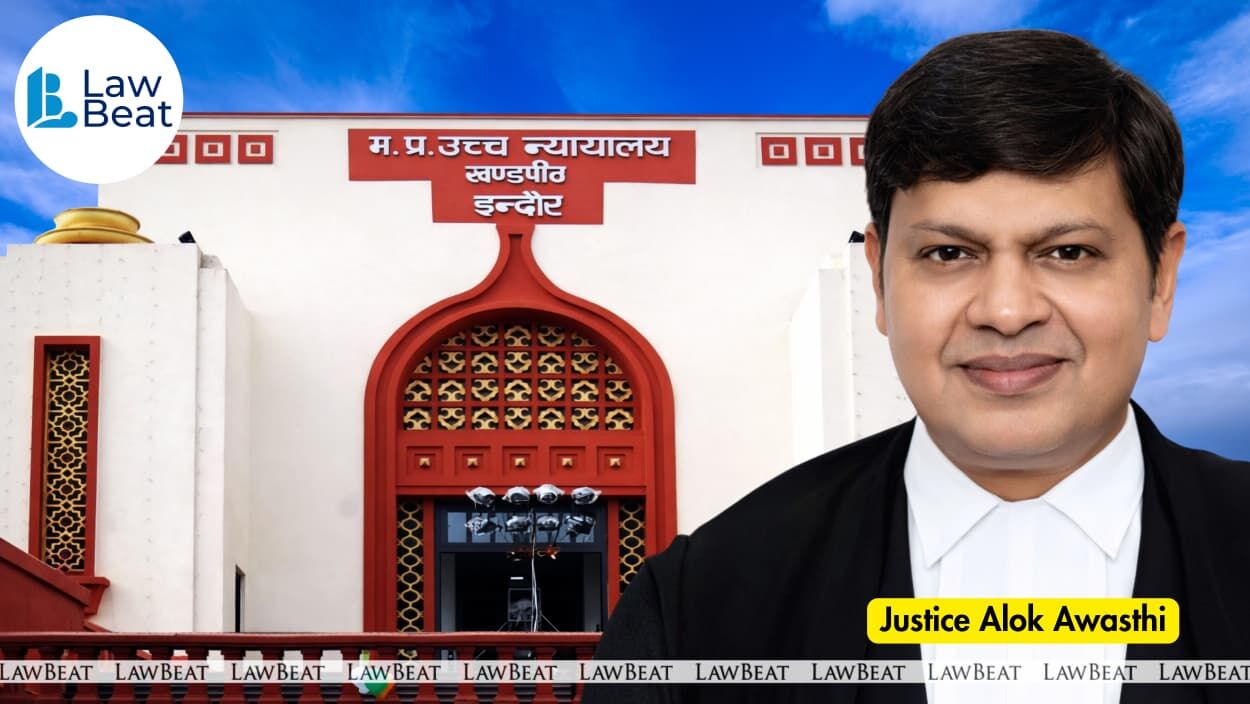
MP High Court: Juvenile Bail Under Section 12 JJ Act Granted, Overturns Lower Courts
Summary
- The MP High Court at Indore granted bail to a Class 12 student, overturning lower court rejections.
- The student had been detained since May 1, 2026, facing serious charges under the Bharatiya Nyaya Sanhita and the SC/ST Act.
- The Court reiterated that under Section 12 of the Juvenile Justice Act, bail is the rule, and refusal is the exception.
- It held that the gravity of the offense alone or generalized neighbourhood concerns are insufficient to deny juvenile bail.
- The ruling emphasized the reformative object of the Act and the child's best interest in granting release.
What Happened
The statutory scheme of the JJ Act does not permit denial of bail solely on generalised observations when the three exceptional circumstances enumerated in the proviso to Section 12(1) are not clearly and specifically made out.
The Madhya Pradesh High Court, sitting at Indore, recently overturned decisions by lower courts, granting bail to a Class 12 student who had been held in an Observation Home since May 1, 2026. Chief Justice Alok Awasthi, on October 27, allowed a criminal revision petition, setting aside the orders from the Juvenile Justice Board, Indore, and the Fifth Additional Sessions Judge and Special Judge (POCSO Act), Indore. The student, identified as a child in conflict with law, faced serious allegations stemming from Crime No. 386/2026 registered at Heeranagar Police Station. These charges included multiple sections of the Bharatiya Nyaya Sanhita, 2023 (formerly IPC sections like 302, 307, 323, 294, 506, and 34), alongside Section 3(2)(v) of the Scheduled Castes and Scheduled Tribes (Prevention of Atrocities) Act, 1989.
The student's initial bail application, filed under Section 12 of the Juvenile Justice Act, 2015, was rejected by the Juvenile Justice Board on August 6, 2026, primarily based on the Social Investigation Report. An subsequent appeal was also dismissed on August 20, 2026, prompting the student's father to seek recourse from the High Court. Advocate Dharmendra Gurjar, representing the child, contended that the lower courts had failed to correctly apply the mandatory provisions of Section 12. He highlighted that there was no evidence suggesting the child's release would expose him to danger or criminal association, nor did he possess any prior criminal record. Furthermore, the child's father, a dairy businessman, was prepared to assume full responsibility for his supervision.
Legal Framework for Juvenile Bail
The core of the legal challenge centered on Section 12 of the Juvenile Justice Act, 2015, which governs bail for children in conflict with law in India. This provision establishes a clear principle: bail is the rule, and its refusal is an exception, regardless of whether the alleged offense is bailable or not. The statute outlines three specific, limited exceptions under which a juvenile's bail may be denied. These exceptions are: if there are reasonable grounds to believe that the child's release would lead to association with known criminals, expose them to moral, physical, or psychological danger, or otherwise defeat the ends of justice.
In this specific case, the State, represented by Government Advocate Bhaskar Agrawal, opposed the bail plea. The State's arguments included observations from the Social Investigation Report regarding the child's neighbourhood, described as largely comprising a "less-educated labour class," suggesting that release could expose the child to "undesirable company." Additionally, the State emphasized the gravity of the alleged offenses and asserted that the child possessed criminal antecedents. However, the High Court’s ruling underscored that the gravity of the offense alone cannot justify the denial of bail under the Juvenile Justice Act, reinforcing the protective intent of the legislation.
Court's Rationale and Findings
The Madhya Pradesh High Court meticulously examined the arguments presented and the evidence, particularly the Social Investigation Report. The Court noted that while the report detailed the child's schooling and his father's occupation, and even commented on the neighbourhood suggesting a need for protective custody, it crucially did not record "any previous criminal antecedents of the child" or any specific material indicating he was a hardened offender. This finding directly contradicted the State's submission regarding the child's alleged criminal history. The Court also observed that no recovery was pending from the juvenile.
The High Court firmly stated that the statutory framework of the Juvenile Justice Act does not permit the denial of bail solely on generalised observations, especially when the three exceptional circumstances detailed in the proviso to Section 12(1) are not clearly and specifically established. The court emphasized that prolonged detention of a Class 12 student, particularly when his natural guardian is willing to take full responsibility, directly contravenes the rehabilitative and reformative objectives enshrined within the Act. Ultimately, the Court concluded that continued incarceration was not in the child's best interest, leading to the decision to grant bail.
Why It Matters
This ruling by the MP High Court at Indore serves as a significant reinforcement of the fundamental principles underlying the Juvenile Justice Act bail provisions in India. By reiterating that bail is the rule and refusal is the exception, and that the gravity of the offense alone is insufficient to deny it, the court has provided crucial clarity on the strict interpretation of Section 12 JJ Act. This decision establishes a strong precedent against the arbitrary denial of bail to children in conflict with law based on generalized concerns about their environment or the seriousness of the charges, unless the specific exceptions outlined in the statute are unequivocally met.
The judgment highlights the judiciary's commitment to the reformative and rehabilitative goals of the Juvenile Justice Act, ensuring that children are not subjected to prolonged detention that could undermine their future. It underscores that concerns about surroundings, while relevant, must be specific and directly linked to the statutory exceptions to warrant bail denial. This ruling will guide future decisions by Juvenile Justice Boards and appellate courts, ensuring a more consistent and rights-protective approach to juvenile detention and release across Madhya Pradesh and potentially influencing similar interpretations nationwide.
Practical Implications
Lawyers representing juveniles must note that the MP High Court has reinforced the strict interpretation of Section 12 of the JJ Act, emphasizing that bail is the rule and gravity of the offense or generalized concerns are insufficient to deny it. This ruling provides a strong precedent to challenge bail rejections unless the three specific exceptions under Section 12(1) are clearly established, guiding strategy for securing release for clients.
Source
How does this affect you?
Get an AI analysis of this article grounded in your jurisdictions, practice areas, and any policy documents you've uploaded to Wansom.
Finish Reading the Full Story and the Expert Analysis.
Wansom is AI and can make mistakes.