
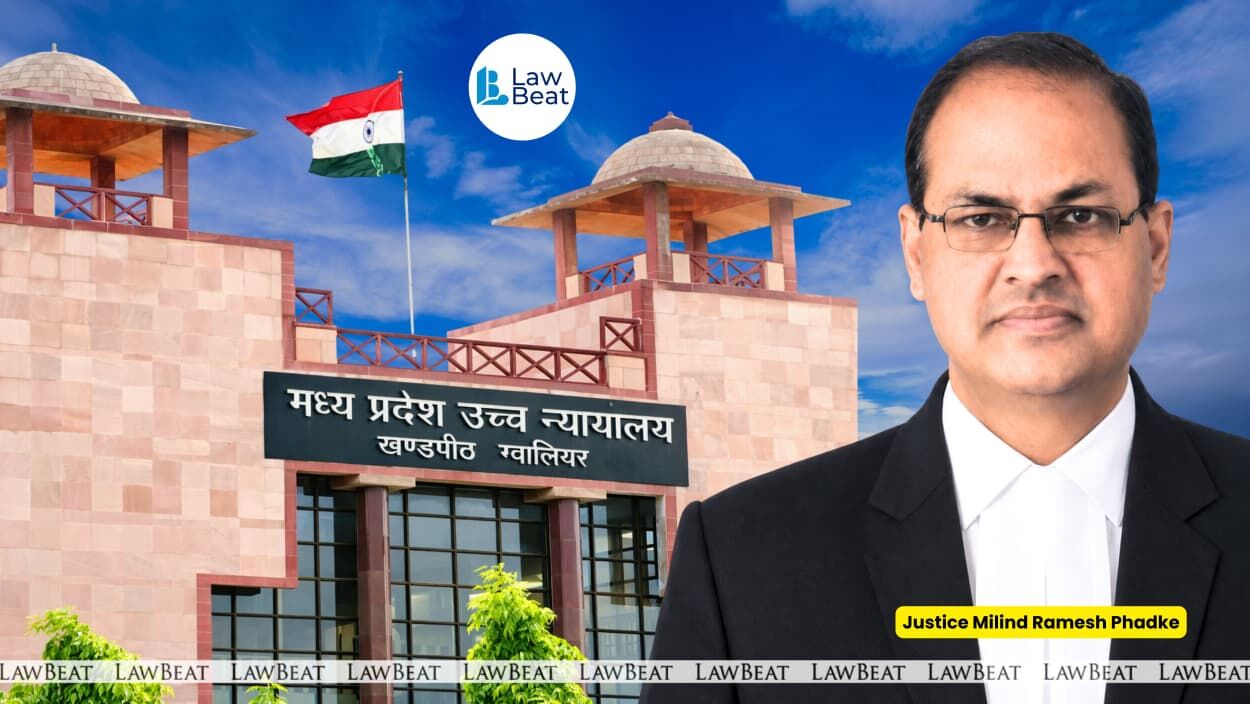
MP High Court: Occupier Gets Electricity Connection Amid Property Dispute
Summary
- The Madhya Pradesh High Court at Gwalior ruled that an "occupier" can claim an electricity connection under Section 43 of the Electricity Act, 2003, even with a pending family property dispute.
- The Court ordered authorities to provide an electricity connection to Smt. Preeti Sharma within seven days.
- The ruling clarified that electricity authorities are not to adjudicate complex civil matters like property title or partition disputes.
- The decision highlighted that the 2003 Electricity Act consciously removed the word "lawful" from the definition of "occupier" compared to the 1910 Act.
- This judgment establishes a precedent that access to essential services like electricity cannot be denied to an occupier based on unresolved property disputes.
Background to the Dispute
This judgment underscores a fundamental principle: the right to electricity, particularly for an occupier, cannot be withheld due to unresolved family property disputes, thereby reinforcing the idea that access to essential services is a crucial aspect of the right to life.
Smt. Preeti Sharma initiated a legal challenge after her temporary electricity supply was disconnected following a complaint from her own mother. Sharma resides in a portion of a three-storey house located in Lashkar, Gwalior, along with her husband and children. She had secured a 1/7th share in this property through a compromise reached in prior civil proceedings, as stipulated under Order XXIII Rule 3 of the Code of Civil Procedure, to which her mother was also a party.
The family dispute escalated when, according to Sharma, her mother obstructed the electricity supply that was previously drawn from her father's connection. This prompted Sharma to seek an independent connection. She was granted a temporary domestic electricity connection on August 20, 2025. However, just seven days later, on August 27, 2025, this connection was severed after her mother approached the authorities, alleging that the connection had been obtained through misrepresentation and in violation of its terms. Sharma promptly applied for a fresh connection two days after the disconnection.
Legal Proceedings and Arguments
Following the disconnection, Sharma's complaint to the Consumer Forum was dismissed on the grounds that she was not considered a consumer. Subsequently, after an earlier High Court directive issued on April 21, 2026, she submitted a new representation, but this did not lead to any effective resolution. Her children, who are students in Classes IX and X, faced significant hardship due to the lack of electricity. This situation ultimately led Smt. Preeti Sharma to file a writ petition against the State of Madhya Pradesh and other parties.
During the proceedings, the respondents, including Sharma's mother, argued that an electricity connection could not be provided unless Sharma definitively established her legal right over the premises. They maintained that the authorities had acted appropriately in response to the mother's complaint. However, the Madhya Pradesh High Court at Gwalior emphasized that electricity authorities are not mandated to resolve complex issues pertaining to property title, partition, or civil rights disputes between parties.
The Court's Interpretation of Electricity Law
Justice Milind Ramesh Phadke, presiding over the case, delivered the order on September 24, 2026, allowing Smt. Preeti Sharma's writ petition. The Court's decision hinged on a critical interpretation of Section 43 of the Electricity Act, 2003. This section obligates a distribution licensee to provide electricity supply upon application from either the "owner or occupier" of any premises. The Court highlighted a significant legislative change: the Electricity Act, 1910, had previously defined an occupier as a person in "lawful occupation," whereas the word "lawful" was deliberately omitted from the 2003 Act.
The High Court characterized this omission as a "conscious departure by the Parliament" and not merely an oversight, indicating a clear legislative intent. To support its interpretation, the Court referenced two key precedents. It cited the Calcutta High Court's ruling in Fashion Proprietor Aswani Kumar Maity v. West Bengal Electricity Distribution Co. Ltd., which established that an individual protected in possession, pending removal by due process, cannot be denied electricity. Additionally, the Court referred to the Gujarat High Court’s decision in Yogesh Lakhmanbhai Chovatiya v. PGVCL, which affirmed that occupiers should not be refused an electricity connection solely because a land dispute is ongoing.
Significance of the Gwalior High Court Ruling
In its definitive ruling, the Gwalior High Court affirmed that Smt. Preeti Sharma possessed the right to claim an electricity connection as an "Occupier" under Section 43 of the Electricity Act, 2003. The Court explicitly directed the authorities to provide the connection within seven days. This judgment underscores a fundamental principle: the right to electricity, particularly for an occupier, cannot be withheld due to unresolved family property disputes, thereby reinforcing the idea that access to essential services is a crucial aspect of the right to life.
This decision carries substantial weight for individuals involved in property disputes across India, particularly concerning utility access. It clarifies that electricity distribution companies are not empowered to adjudicate civil property matters, limiting their role to providing services as mandated by law. The ruling sets a significant precedent, ensuring that occupiers are not deprived of essential services while complex civil disputes are being resolved, and it specifically noted that its observations applied only to Sharma's right to electricity.
Practical Implications
Lawyers advising clients on property disputes or utility connections should note that electricity authorities cannot deny a connection to an 'occupier' under Section 43 of the Electricity Act, 2003, based on unresolved property disputes, nor can they adjudicate such civil matters. This ruling clarifies the scope of utility providers' responsibilities and an occupier's right to essential services, providing a precedent for similar cases across India.
Source
How does this affect you?
Get an AI analysis of this article grounded in your jurisdictions, practice areas, and any policy documents you've uploaded to Wansom.
Finish Reading the Full Story and the Expert Analysis.
Get the latest legal & regulatory intelligence in India
Wansom is AI and can make mistakes.