
MP High Court: Bhopal Slaughterhouse PIL Misuse of Process Ruling
Summary
- The Madhya Pradesh High Court dismissed a Public Interest Litigation (PIL) seeking the closure of a modern slaughterhouse in Bhopal.
- The court ruled the PIL was a "misuse of process" because it was filed three years after the facility was built and operational, and raised issues already settled by the National Green Tribunal (NGT).
- Petitioners argued the new slaughterhouse, located near a previously closed non-compliant facility, circumvented NGT directives regarding environmental pollution.
- Respondents, including the Bhopal Municipal Corporation and the private operator, asserted the new facility had improved environmental safeguards and involved a ₹29 crore investment.
- The High Court noted a complex legal history, including a Supreme Court stay on an earlier High Court order that had halted construction, before the current PIL was filed.
Court Dismisses Bhopal Slaughterhouse PIL
The court emphasized the untimeliness of the filing, which occurred three years after the facility had been fully constructed, licensed, and commenced operations.
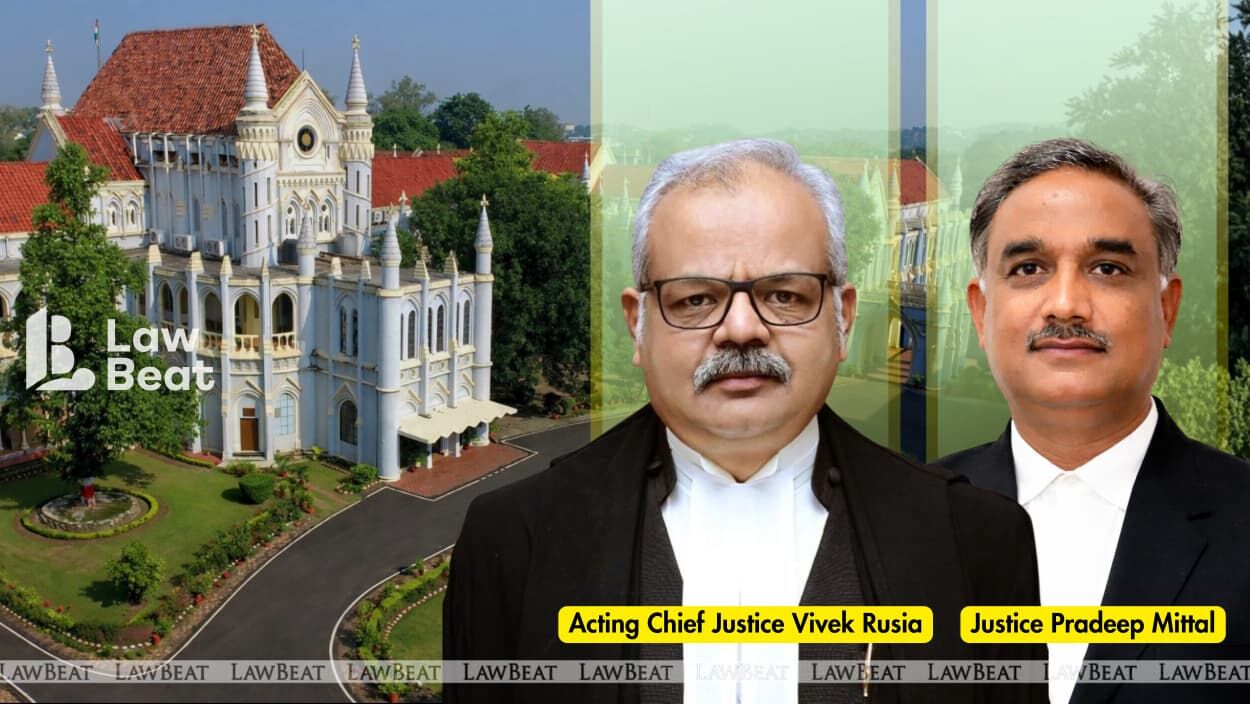
The Madhya Pradesh High Court recently delivered a significant ruling concerning a modern slaughterhouse in Bhopal, dismissing a public interest litigation (PIL) that sought its permanent closure. A Division Bench, comprising Acting Chief Justice Vivek Rusia and Justice Pradeep Mittal, characterized the petition as a "misuse of process of law," noting that it raised issues previously resolved by the National Green Tribunal (NGT). The court emphasized the untimeliness of the filing, which occurred three years after the facility had been fully constructed, licensed, and commenced operations.
The PIL was brought by three Bhopal-based organizations—Dayoday Mahasangh, Rashtriya Jiv Sanshan Ekta Sangh, and Jan Jagrati Samiti—who identify as adherents of "Ahinsa Parmodharmah." Their petition requested a writ of mandamus to immediately and permanently cease operations at the large-capacity abattoir situated on Maida Mill Road in Jinsi. This Bhopal slaughterhouse PIL misuse of process ruling highlights the judiciary's stance on challenging established infrastructure projects, particularly when prior regulatory bodies have already addressed environmental compliance.
Petitioners' Environmental Concerns
The petitioners' core argument revolved around the new facility's perceived circumvention of a 2015 NGT order. That earlier directive had mandated the closure of an old slaughterhouse on Jinsi Road due to severe environmental violations, specifically the discharge of untreated effluent into the Patra Nallah-Halali-Betwa river system, contravening the Water (Prevention and Control of Pollution) Act, 1974. Advocates Shri Sankalp Kochar and Shri Yash Lodha contended that locating a "modern" slaughterhouse on land adjacent to the previously shut-down site effectively undermined the NGT's original directions.
Further bolstering their case, the petitioners cited the Supreme Court's precedent in Laxmi Narain Modi vs. Union of India. They also raised concerns about the sheer scale of the new operation, detailing its capacity to process approximately 200 metric tonnes of meat and 60 metric tonnes of rendering daily, alongside the slaughtering of about 500 large animals and 1,000 small animals each day. They argued that these figures were inconsistent with the spirit of the NGT's earlier closure orders, suggesting a lack of Bhopal modern slaughterhouse NGT compliance.
Project Defense and Investment
In response, the Bhopal Municipal Corporation, represented by its counsel and Shri Suyash Mohan Guru, asserted that the new facility was developed in direct compliance with the NGT's directives. They described the modern slaughterhouse as "fundamentally different" from its non-compliant predecessor, boasting significantly improved infrastructure and environmental safeguards. The State, through Government Advocate Shri Anubhav Jain, and the MP Pollution Control Board, represented by Shri Siddharth Seth, also supported the project.
Counsel for Livestock Food Processors Pvt. Ltd., the private operator engaged under a design-build-finance-operate-transfer arrangement, emphasized the substantial investment already made. Shri Rahul Chourey, Shri Shubham Patel, and Shri Gaurav Tiwari, representing the operator, informed the court that approximately ₹29 crore had been expended on the project. They highlighted that the Supreme Court itself had acknowledged this investment in March 2024 when it stayed a previous High Court order that had temporarily halted construction. Their central contention was that a fully built and operational public infrastructure project could not be undone at this stage, underscoring the financial and operational commitment. This aspect is crucial to understanding the Jinsi slaughterhouse environmental law ruling.
Legal Rationale for Dismissal
The High Court meticulously reviewed the project's extensive legal history, which began with prolonged NGT proceedings. Following these, a joint committee identified 2.67 acres adjacent to the old site as suitable for the new facility, leading to the Corporation issuing a work order to the private operator in June 2022. This decision faced a separate legal challenge in 2022, culminating in a High Court stay in December 2023. However, the Supreme Court subsequently stayed that order in March 2024, and both the initial writ petition and the special leave petition were ultimately withdrawn by September 2024.
Considering this complex timeline, the High Court concluded that the current petitioners had approached the court "after a period of 3 years," by which time the slaughterhouse was fully constructed and operational. This delay, coupled with the prior legal resolutions and significant investment, led the court to label the PIL as a "misuse of process public interest litigation India." The Madhya Pradesh High Court PIL dismissal serves as a critical reminder of the importance of timely legal action and the judiciary's reluctance to re-litigate matters already settled by specialized tribunals, especially after substantial public and private resources have been committed.
Practical Implications
This ruling serves as a critical reminder for lawyers advising on environmental challenges or public interest litigation to ensure timely filing and avoid re-litigating issues already settled by tribunals like the NGT, especially after significant project investment and operation have commenced. It underscores the judiciary's stance against 'misuse of process' in challenging established infrastructure projects, emphasizing the need for robust and timely legal strategy.
Source
Source: Original reporting via Live Law
How does this affect you?
Get an AI analysis of this article grounded in your jurisdictions, practice areas, and any policy documents you've uploaded to Wansom.
Finish Reading the Full Story and the Expert Analysis.
Wansom is AI and can make mistakes.