
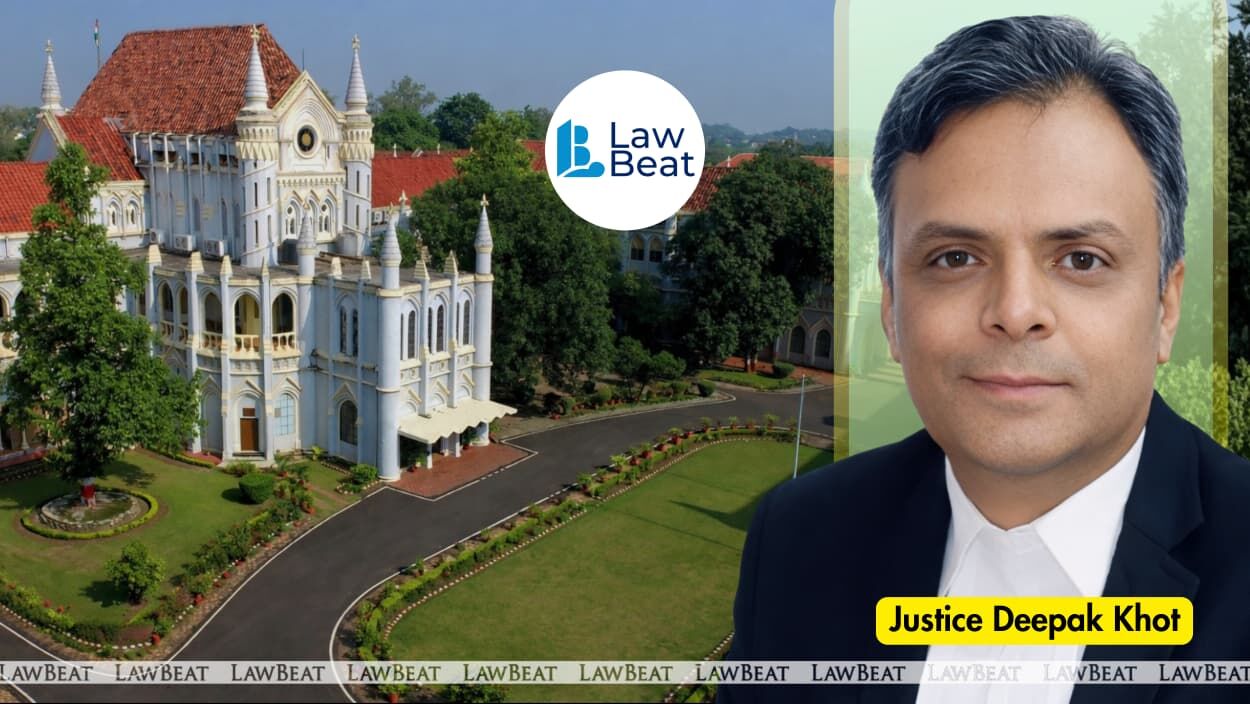
MP High Court: Civil Suit Not Barred by Prior Revenue Authority Decision
On October 6, 2026, the Madhya Pradesh High Court at Jabalpur, through Justice Deepak Khot, held that a civil suit is not automatically barred merely because revenue authorities have previously decided the same subject matter, thereby refusing to reject a plaint in a Damoh land dispute.
This ruling significantly reinforces the principle that civil courts retain their inherent jurisdiction to examine issues, particularly those involving natural justice, even after administrative bodies like revenue authorities have made a determination. It serves as a critical check on administrative power, ensuring that procedural fairness and fundamental legal principles can be scrutinized by the judiciary, preventing revenue orders from completely ousting the jurisdiction of civil courts. For legal practitioners, this means that an adverse decision from a revenue authority does not necessarily close the door to civil litigation, especially when grounds such as violations of natural justice can be credibly pleaded.
The legal context of this case involves the interplay between the Code of Civil Procedure (CPC) and the Madhya Pradesh Land Revenue Code, 1959 (MPLRC). Specifically, the High Court addressed an application under Order VII Rule 11 of the CPC, which allows for the rejection of a plaint under certain circumstances. The core dispute revolved around revenue entries corrected under Section 115 of the MPLRC. The High Court's decision to uphold the trial court's refusal to reject the plaint underscores the limited scope of Order VII Rule 11 and affirms the broader principle that civil courts can intervene where administrative actions are challenged on fundamental legal grounds, particularly when the excerpt explicitly states that "Revenue Orders Don’t Shut Civil Court’s Doors When Natural Justice Is Questioned."
The key parties involved include the Madhya Pradesh High Court at Jabalpur, with Justice Deepak Khot presiding. The civil revision was filed by Rajendra Jain against Jitendra Kurmi and others. The original civil suit (RCSA No. 26/2025) was initiated by Respondent nos. 1 and 2. The revenue authorities whose decisions were challenged included the Collector, Damoh, and the Additional Commissioner, Sagar Division. The Civil Judge, Junior Division, Patharia, was the initial court that declined Jain's application to reject the plaint.
Practitioners advising clients on land disputes in Madhya Pradesh should take note that challenges to revenue orders in civil courts remain a viable avenue, particularly when arguments pertaining to natural justice or other fundamental legal principles can be advanced. This ruling provides a strong precedent against the automatic rejection of civil suits based solely on prior revenue decisions. Attorneys must meticulously document any procedural irregularities or violations of natural justice during revenue proceedings, as these can form the basis for a successful civil claim. The outcome of the underlying civil suit itself is not reported in the excerpt, but the High Court's decision ensures that the suit will proceed to be heard on its merits.
How does this affect you?
Get an AI analysis of this article grounded in your jurisdictions, practice areas, and any policy documents you've uploaded to Wansom.
Finish Reading the Full Story and the Expert Analysis.
Get the latest legal & regulatory intelligence in India
Wansom is AI and can make mistakes.