
MP High Court: Board Cannot Block Error Correction Due to Time Limit
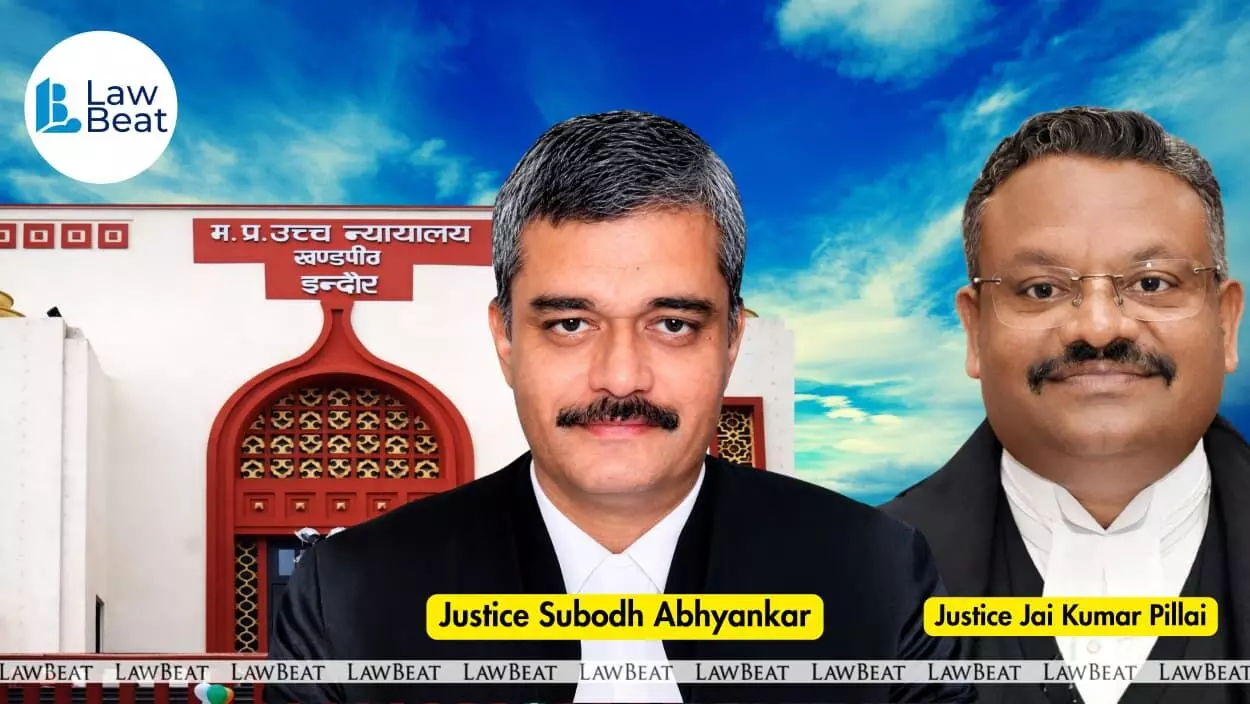
The Madhya Pradesh High Court at Indore recently dismissed an appeal by the Board of Secondary Education, upholding a single judge's directive to correct a student's mark-sheets that bore a wrong photograph, asserting that a citizen should not suffer due to an administrative error, even after a six-year delay. A Division Bench of Justice Subodh Abhyankar and Justice Jai Kumar Pillai ruled that the Board's one-year limit for corrections could not block the rectification of its own mistake, which had resulted in Jayendra Kumar Labana's Aadhaar card photograph appearing on his mark-sheets instead of his own.
This judgment holds significant legal implications for practitioners, administrative bodies, and the public, as it reinforces the fundamental principle that administrative authorities cannot leverage their own procedural limitations or delays to deny a citizen a rightful correction, particularly when the error originated from the authority itself. It underscores the judiciary's vital role in safeguarding individuals from bureaucratic inefficiencies and ensuring justice, even in cases involving substantial time lapses. This ruling serves as a powerful reminder of the accountability of public bodies and the limits of statutory or regulatory time bars when an authority is rectifying its own errors.
The legal context for this case involves administrative law principles, specifically the power of judicial review exercised by the High Court under the Indian Constitution (likely Article 226). The ruling implicitly touches upon principles of natural justice, administrative fairness, and the equitable doctrine that no one should suffer from the act of the court or an administrative body. The key parties involved were the Madhya Pradesh High Court at Indore, the Madhya Pradesh Board of Secondary Education, Bhopal, the student Jayendra Kumar Labana, Tagore Shiksha Mahavidyalaya, Indore, and Devi Ahilya Vishwavidyalaya. The Rajasthan Staff Selection Board was also mentioned as the body for which Labana was selected, highlighting the practical impact of the error.
Attorneys representing individuals dealing with administrative errors by government or educational bodies should be aware that time limits for corrections may not apply if the error originated from the authority itself. This ruling provides a strong precedent for challenging administrative inaction or refusal to rectify mistakes, even after considerable delay, especially when such errors could prejudice an individual's career or future prospects. Businesses and educational institutions should review their internal processes for record-keeping and error correction to minimise such disputes and ensure timely rectification of their own administrative errors, as courts are likely to side with the individual suffering from such mistakes, prioritising justice over procedural technicalities.
How does this affect you?
Get an AI analysis of this article grounded in your jurisdictions, practice areas, and any policy documents you've uploaded to Wansom.
Finish Reading the Full Story and the Expert Analysis.
Get the latest legal & regulatory intelligence in India
Wansom is AI and can make mistakes.