
MP High Court: 50% Salary Frozen Accounts Unlocked for Constables
Summary
- The Madhya Pradesh High Court permitted SAF constables accused in a Travel Allowance fraud to withdraw 50% of their salaries from frozen accounts.
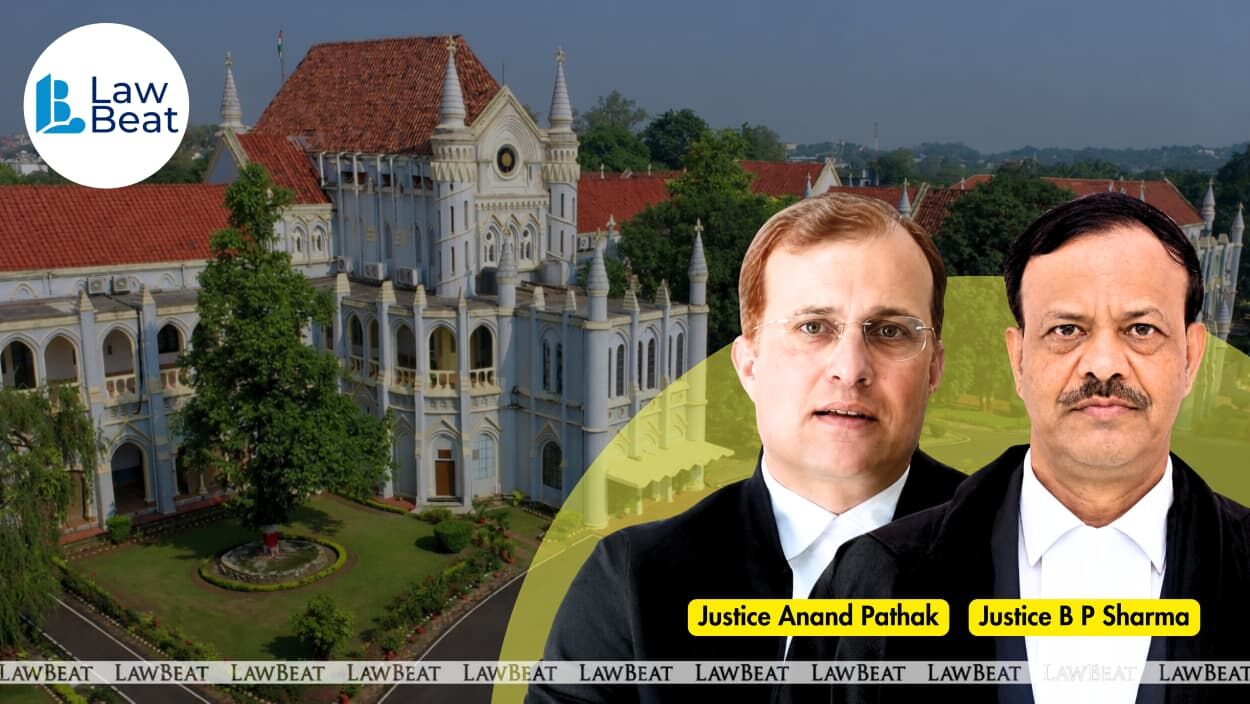
- This decision, made by Justice Anand Pathak and Justice B.P. Sharma, aims to ensure the subsistence of the constables' families while criminal and departmental proceedings continue.
- The constables' salary accounts were frozen after they were implicated in a multi-crore scam involving fake electronic TA bills and diverted funds, first flagged in November 2025.
- The court emphasized that families should not suffer due to alleged misconduct, despite the State's opposition citing a "high-level scam" involving criminal breach of trust, cheating, and forgery.
- The ruling also directed a "deep probe" into the technology-driven crime to prevent future irregularities in government departments.
Court's Decision and Immediate Impact
The court held that the appellants' families should not be made to suffer merely because of the alleged misconduct of the accused constables.
The Madhya Pradesh High Court has issued a significant ruling, permitting a group of Special Armed Force (SAF) constables to access half of their salaries from accounts that were previously frozen. This decision, handed down by a Division Bench comprising Justice Anand Pathak and Justice B.P. Sharma on August 21, provides crucial relief for the constables, who are implicated in a multi-crore Travel Allowance (TA) fraud. The court explicitly stated that this partial release of funds is intended to ensure the subsistence of the accused and their families, while simultaneously affirming that all ongoing criminal investigations and departmental proceedings against them will proceed without interruption.
This order partially granted a writ appeal initiated by Astik Shukla and several other constables and head constables attached to the 6th Battalion of the SAF in Jabalpur. Their bank accounts, including those holding their salaries, had been frozen following their alleged involvement in the financial misconduct. The High Court's intervention underscores a judicial consideration for the welfare of families, even when serious allegations of financial impropriety are under scrutiny.
Background of the Allegations
The origins of the case trace back to November 2025, when the State Finance Intelligence Cell (SFIC) first identified widespread irregularities in the processing of online Travel Allowance bills within the 6th Battalion. A subsequent internal investigation pointed to Assistant Sub-Inspector Satyam Sharma, who was in charge of the TA branch, as the alleged mastermind behind the fraud. He was reportedly aided by his assistant, Abhishek Jharia, who has since passed away. The court's records indicate that these individuals allegedly exploited their access to generate fraudulent electronic TA bills, secure One-Time Passwords (OTPs) without the knowledge of senior officers, and then channel the illicit funds into the salary accounts of thirteen constables, including the appellants in this case.
Following the registration of a First Information Report (FIR) and the commencement of an investigation by the Crime Branch, the bank accounts of constables suspected of serving as conduits, or "mule accounts," for the proceeds of the fraud were frozen. This measure included their salary accounts, effectively cutting off their primary source of income. While some constables managed to have their accounts unfrozen by repaying the diverted amounts, the appellants had not done so, leaving their salaries inaccessible and prompting their legal challenge.
Legal Arguments and Judicial Rationale
The constables initially sought to have their accounts fully unfrozen to withdraw their salaries, citing severe financial hardship and an inability to meet basic living expenses. Their initial writ petition was dismissed, leading to the present appeal before the Division Bench. Advocate Adwitya Parasher, representing the appellants, argued for either full account operation, with an undertaking to limit withdrawals to salary amounts, or, alternatively, permission to withdraw fifty percent of their salaries for subsistence.
Conversely, Government Advocate Piyush Jain, appearing for the State, vehemently opposed the plea. He highlighted that a departmental inquiry was already underway against the appellants, accompanied by a show-cause notice. Jain characterized the situation as a "high-level scam" involving criminal breach of trust, cheating, and forgery, asserting that hundreds of TA bills intended for other employees had been illicitly diverted for personal gain. Despite the State's strong opposition, the bench, while acknowledging the gravity of the "technology driven crime," ultimately prioritized the well-being of the appellants' families. The court held that the appellants' families should not be made to suffer merely because of the alleged misconduct of the accused constables, thereby allowing the withdrawal of half the frozen salary amount. The ruling also mandated a "deep probe" by the police department and the SAF to ensure all culprits are identified and to prevent similar occurrences within government departments.
Practical Implications
This ruling establishes a precedent for lawyers arguing for partial release of frozen salaries or assets to ensure subsistence, even when serious allegations of financial misconduct are pending. It guides legal strategy for clients whose accounts are frozen, particularly public servants, by demonstrating the court's consideration for the welfare of the accused's family during ongoing investigations.
Source
How does this affect you?
Get an AI analysis of this article grounded in your jurisdictions, practice areas, and any policy documents you've uploaded to Wansom.
Wansom is AI and can make mistakes.